


Do You Put Self Tanning Mousse On Your Face?
Table of Contents
In this comprehensive guide, we’ll explore whether it’s safe and effective to apply self-tanner to your face. Get ready to learn the best practices for a flawless facial tan that looks natural and radiant!
Can You Apply Self-Tanning Mousse on Your Face?
Yes, you can put self-tanning mousse on your face, but it’s important to do it correctly to avoid a patchy or unnatural look.
Why Use Self-Tanner on Your Face?
- Even Skin Tone: Achieve a consistent tan on both your face and body.
- Sunless Glow: Get a sun-kissed glow without harmful UV exposure.
- Year-Round Tan: Maintain a bronze complexion even in the colder months.
Quote: “Using self-tanner on your face can give you a natural-looking tan without the risks of sun damage.”
Benefits of Using Self-Tanner on Your Face
Applying self-tanner to your face offers several advantages.
Advantages
- Avoid Sun Damage: Protect your skin from harmful UV rays.
- Customizable Tan: Control how light or dark you want your facial tan.
- Confidence Boost: A healthy glow can enhance your overall appearance.
Fun Fact: A golden glow can make your skin look healthier and more vibrant.
How to Choose the Right Self-Tanner for Your Face
Selecting the appropriate product is crucial for the best results.
Consider Your Skin Type
- Sensitive Skin: Opt for products formulated for sensitive skin to avoid irritation.
- Oily Skin: Choose an oil-free self-tanner to prevent clogged pores.
- Dry Skin: Look for moisturizing ingredients to keep your skin hydrated.
Product Types
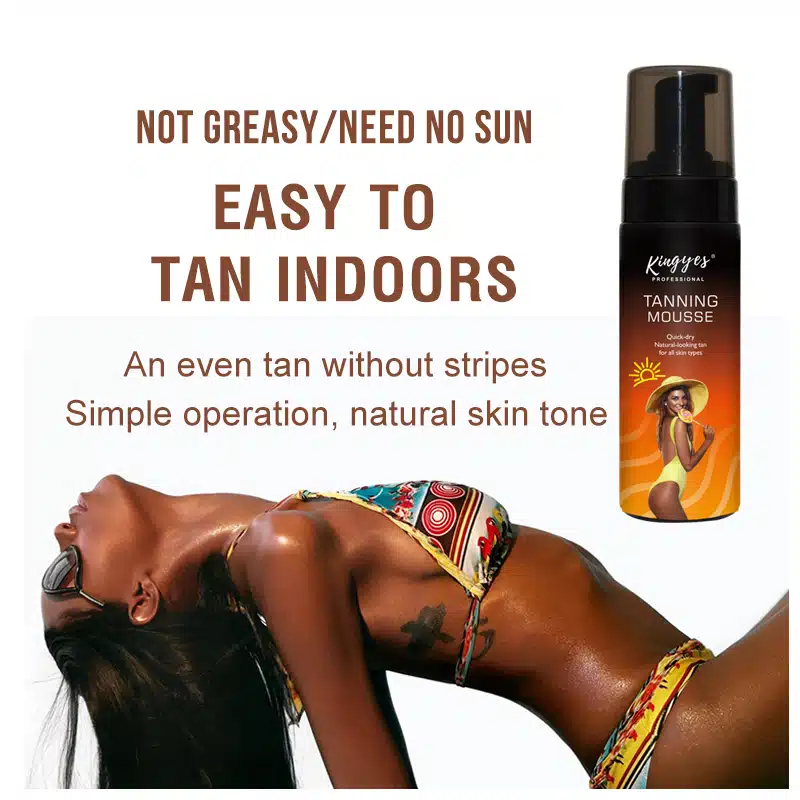
- Self-Tan Mousse: Lightweight and easy to apply.
- Gradual Tan Moisturizers: Build up color slowly over time.
- Face-Specific Tanners: Formulated specifically for facial skin.
Tip: Always read the label to ensure the product is designed for your face.
Preparing Your Face for Self-Tanning
Preparation is key to achieving a smooth and even tan.
- Cleanse Your Face: Use a gentle cleanser to remove dirt and oil.
- Exfoliate: Use a face scrub to exfoliate your face, removing dead skin cells.
- Moisturize: Apply an oil-free moisturizer to dry areas to prevent over-absorption.
Advice: Exfoliating helps prevent a patchy tan by ensuring an even skin surface.
Step-by-Step Guide to Applying Self-Tanner on Your Face
Follow these steps for a flawless application.
Application Process
- Wash Your Hands: Clean hands prevent unwanted staining.
- Apply the Self-Tanner:
- Option 1: Use your fingertips to apply small amounts to your forehead, cheeks, nose, and chin.
- Option 2: Use a makeup sponge for more even coverage.
- Blend Thoroughly:
- Blend into your hairline and down your neck to avoid lines.
- Be gentle around eyebrows and lips.
- Allow to Dry: Wait at least 10 minutes before applying other skincare products.
- Wash Your Hands Again: Prevent discoloration on your palms.
Remember: Use sparingly to build up the desired shade gradually.
Common Mistakes to Avoid When Tanning Your Face
Steer clear of these pitfalls for the best results.
Mistakes to Avoid
- Using Too Much Product: Can lead to an unnatural look.
- Skipping Exfoliation: May cause uneven color due to dead skin cells.
- Not Considering Skin Type: Using the wrong product can cause breakouts or irritation.
Warning: Avoid applying self-tanner to irritated or broken skin.
How to Maintain Your Facial Tan
Keeping your tan looking fresh requires some upkeep.
Maintenance Tips
- Moisturize Daily: Use an oil-free moisturizer to keep skin hydrated.
- Gentle Cleansing: Use mild cleansers to avoid stripping the tan.
- Avoid Exfoliants: Limit the use of exfoliating products that can fade your tan.
Fact: A well-maintained facial tan can last up to a week before needing a touch-up.
Can Self-Tanner Cause Breakouts or Clogged Pores?
Understanding the risks helps you make informed decisions.
Potential Issues
- Clogged Pores: Using products not formulated for the face can lead to clogged pores.
- Breakouts: Some ingredients may cause reactions in acne-prone skin.
How to Prevent
- Choose Oil-Free Products: Reduces the risk of breakouts.
- Patch Test: Test on a small area to see how your skin reacts.
Tip: If you’re prone to breakouts, consider using a self-tanner specifically designed for facial use.
Alternatives to Self-Tanning Mousse for the Face
If you’re hesitant about using mousse, there are other options.
Other Products
- Self-Tanning Drops: Mix with your regular moisturizer.
- Gradual Tan Moisturizers: Build up color over several days.
- Bronzing Powders: Provide temporary color that washes off.
Advice: Choose a product that fits seamlessly into your skincare routine.
Frequently Asked Questions
1. Is it safe to use self-tanner on my face?
Yes, as long as you use a product designed for your face and follow application guidelines.
2. How often should I reapply self-tanner on my face?
Every 4-7 days, depending on how quickly your skin renews and how well you maintain your tan.
3. Can I use the same self-tanner on my face as my body?
It’s best to use a self-tanner formulated for the face to avoid issues like clogged pores.
4. Will self-tanner protect me from the sun?
No, self-tanners do not provide SPF protection. Always apply sunscreen when going outdoors.
5. How do I fix a patchy facial tan?
Use a self tan eraser or gently exfoliate the area to even out the color.
6. Can I wear makeup over my self-tanned face?
Yes, but wait until the self-tanner has fully developed and set, usually after a few hours.
Conclusion
So, do you put self-tanning mousse on your face? You certainly can! With the right product and proper application, you can achieve a beautiful, natural-looking bronze glow. Remember to consider your skin type, prepare your skin adequately, and maintain your tan for lasting results. Now you’re ready to enjoy a sun-kissed glow all year long without the sun!
Key Takeaways
- Choose the Right Product: Use a self-tanner designed for your face and skin type.
- Preparation Is Crucial: Exfoliate and moisturize before application.
- Application Technique: Apply evenly, blending into the hairline and neck.
- Maintain Your Tan: Keep skin hydrated and avoid harsh cleansers.
- Be Cautious: Avoid products that may clog pores or cause breakouts.
Embrace your newfound glow and enjoy the confidence that comes with a beautifully tanned face!
Comments

What Hair Color Looks Best On Asians?
Choosing the right hair color can completely transform your look and boost your confidence.
What Is Demi-Permanent Hair Color? Your Complete Guide
Are you tired of hair color that fades too fast or damages your hair?
Do You Need a License to Sell Beauty Products?
So, you’ve crafted the perfect beauty product, and you’re ready to share it with the world.

What Color Should I Dye My Hair? The Science-Backed Guide
Are you stuck? You want to change your hair. But picking the wrong color could be a big mistake.
What Is The Purpose Of Using Hair Oil?
Looking to nourish your locks and achieve that coveted smooth, healthy shine?

- +86 151 1839 7303
- [email protected]
- Mon-Sun 07:00-23:00
Tags

How to Choose a Reliable Cosmetic OEM Manufacturer in China?
How to Pick a Good Makeup Maker in China: A Guide for You.
You possess a concept.
A new face cream. A new hair spray. A new nail color.
How to Get Hair Dye Off Skin: The Only Guide You Need
Picture this.
You just dyed your hair. You used a new color. It looks great. Your hair shines. You feel happy. You feel like a new person.

How Often Should You Wash Your Hair? The Ultimate Guide
The alarm rings.
You wake up. You stretch. You walk to the mirror.
You look at your hair.


