
Safety and Standards: What Does the FDA Require Cosmetic Manufacturers to Do?
Les industrie cosmétique is a vast and dynamic sector, constantly introducing new and innovative products to meet consumer demands. But amidst the creativity and competition, ensuring the la sécurité et la qualité de produits cosmétiques is paramount. This is where the U.S. Food and Drug Administration (FDA) plays a crucial role. The FDA has specific requirements for fabricants de produits cosmétiques to safeguard consumer health and maintain normes de qualité. This article delves into the FDA’s expectations for fabrication de produits cosmétiques, exploring le contrôle de la qualité measures, Bonnes pratiques de fabrication (BPF), essais de produits, and labeling requirements. Understanding the FDA requirements is essential for anyone involved in the l'industrie cosmétique, from manufacturers and formulators to marketers and distributors. We will explore what entreprises de cosmétiques need to know about quality control et contrôle de la qualité des produits cosmétiques.
The FDA’s Authority Over Cosmetics: Understanding the Legal Framework
The FDA’s authority over cosmétiques is granted under the Federal Food, Drug, and Cosmetic Act (FD&C Act), which was enacted in 1938. While the FD&C Act gives the FDA broad authority to regulate cosmétiques, it’s important to note that cosmétiques are not subject to pre-market approval by the FDA, unlike drugs. This means that fabricants de produits cosmétiques are not required to obtain FDA approval before launching a product on the market. However, the FD&C Act does prohibit the marketing of adulterated or misbranded cosmétiques in interstate commerce.
The FD&C Act defines cosmétiques as “articles intended to be rubbed, poured, sprinkled, or sprayed on, introduced into, or otherwise applied to the human body…for cleansing, beautifying, promoting attractiveness, or altering the appearance.” This definition encompasses a wide range of products, including:
- Makeup (e.g., foundation, lipstick, mascara)
- Skin care products (e.g., moisturizers, cleansers, toners)
- Hair care products (e.g., shampoos, conditioners, styling products)
- Parfums
- Nail products (e.g., nail polish, nail polish remover)
- Shaving products
- Oral hygiene products (e.g., toothpaste, mouthwash) – regulated as drugs in some countries
The FDA’s authority over cosmétiques primarily focuses on ensuring that products are safe for their intended use and are properly labeled. The FDA can take action against companies that market adulterated or misbranded cosmétiques, including issuing warning letters, seizing products, and seeking injunctions or criminal penalties in cases of serious violations. Fabricants de produits cosmétiques must be aware of these regulations.
Good Manufacturing Practices (GMP): The Foundation of Cosmetic Quality
Bonnes pratiques de fabrication (BPF) are a set of guidelines that outline the minimum requirements that a manufacturer must meet to ensure that their products are consistently de haute qualité, safe, and fit for their intended use. BPF covers all aspects of production, from matière première sourcing and handling to manufacturing, packaging, labeling, and distribution. BPF is essential for maintaining quality control in the cosmetics industry. Adhérer à BPF principles is crucial for fabricants de produits cosmétiques to meet FDA expectations and ensure consumer safety.
While the FDA has not issued specific BPF règlements pour cosmétiquesIls ont publié BPF guidelines that provide recommendations on best practices for fabrication de produits cosmétiques. These guidelines address various aspects of production, including:
- Le personnel : Veiller à ce que l'ensemble du personnel impliqué dans fabrication de produits cosmétiques et le contrôle de la qualité are adequately trained and qualified to perform their tasks.
- Bâtiments et installations : Maintaining clean and sanitary manufacturing facilities that are designed to prevent contamination and ensure the orderly flow of materials and personnel.
- Équipement : Utiliser un équipement adapté à l'usage auquel il est destiné, correctement entretenu et régulièrement nettoyé et désinfecté.
- Contrôle de la production et des processus : Mettre en place des procédures pour contrôler toutes les étapes de la processus de productionLes produits de l'industrie agro-alimentaire, de la pesée et du mélange des ingrédients jusqu'au remplissage et à l'emballage des produits, sont des produits de qualité. produit final. Cela permet de ensure consistent quality.
- Matières premières et composants : Établir des spécifications pour tous les matières premières et des composants d'emballage, en vérifiant que les matériaux entrants sont conformes à ces spécifications, et en les stockant et les manipulant correctement.
- Contrôles en laboratoire : Mise en œuvre de procédures d'essai matières premièresIl s'agit de vérifier l'identité, la pureté, la résistance et d'autres attributs de qualité des échantillons et des produits finis en cours de fabrication.
- Registres et rapports : Tenir des registres détaillés de toutes les activités de fabrication et de le contrôle de la qualité y compris les dossiers de lot, les résultats des tests, les déviations et les actions correctives.
- Produits retournés et récupérés : Établir des procédures pour le traitement des produits retournés et déterminer s'ils peuvent être récupérés ou s'ils doivent être détruits.
Although the FDA’s BPF des lignes directrices pour cosmétiques are not mandatory regulations, they are considered to represent the current meilleures pratiques in the industry. The FDA strongly encourages fabricants de produits cosmétiques to follow these guidelines, and they may use them as a reference during inspections. Following BPF aide entreprises de cosmétiques maintain quality control of cosmétique products and demonstrate their commitment to la qualité des produits and safety. Cosmetic product essais is an essential part of BPF.
Ingredient Safety: What the FDA Requires
Assurer la sécurité des ingrédients cosmétiques is a fundamental aspect of the FDA’s oversight of the industrie cosmétique. While the FDA does not pre-approve cosmétique ingredients, they do require that all ingredients used in cosmétique products be safe for their intended use under the labeled or customary conditions of use. Fabricants de produits cosmétiques sont responsables de la justification de la la sécurité de leurs produits et de leurs ingrédients avant de les commercialiser. Cosmetic ingredients must be safe for consumers.
The FDA relies on several mechanisms to monitor the safety of ingrédients cosmétiques:
- Voluntary Cosmetic Registration Program (VCRP): While not mandatory, the FDA encourages fabricants de produits cosmétiques to participate in the VCRP. This program allows companies to register their manufacturing facilities and file Cosmetic Product Ingredient Statements (CPIS), which provide information about the ingredients used in their products. The VCRP helps the FDA monitor the types of ingredients being used in the market and identify potential safety concerns.
- Surveillance après la mise sur le marché : The FDA monitors the market for reports of adverse events associated with cosmétique products. This includes reviewing consumer complaints, reports from healthcare professionals, and scientific literature.
- Recherche scientifique : The FDA conducts and supports research on the safety of ingrédients cosmétiques, particularly those that raise safety concerns.
- Collaboration with Industry and International Partners: The FDA collaborates with industry groups, such as the Personal Care Products Council (PCPC), and international regulatory bodies to share information and address emerging safety issues.
- Enforcement Actions: If the FDA determines that a cosmétique ingredient is unsafe or that a product is adulterated or misbranded, they can take enforcement action, such as issuing warning letters, requesting recalls, or seizing products.
Fabricants de produits cosmétiques doivent se tenir informés des dernières recherches scientifiques et des évolutions réglementaires en matière de sécurité des ingrédients. Ils doivent également procéder à des évaluations approfondies de la sécurité de leurs produits et de leurs ingrédients, en utilisant des méthodes appropriées de contrôle de la sécurité. les méthodes d'essai et en s'appuyant sur des données scientifiques pour étayer leurs allégations de sécurité. La sécurité des ingrédients est un aspect crucial de la contrôle de la qualité des produits cosmétiques.
Prohibited and Restricted Ingredients: Ensuring Consumer Safety
The FDA has the authority to prohibit or restrict the use of specific ingredients in cosmétique products if they are found to be unsafe or if their use is not in compliance with regulations. There are certain ingredients that are prohibited from use in cosmétiques in the United States, and others that are subject to restrictions on their concentration or conditions of use. Cosmetic manufacturers must be aware of these substances.
Examples of prohibited ingredients include:
- Bithionol: A halogenated salicylanilide that can cause photocontact sensitization.
- Chlorofluorocarbon propellants: These were commonly used in aérosol products but were banned due to their harmful effects on the couche d'ozone.
- Chloroform: A solvent that is prohibited due to its toxicity.
- Halogenated salicylanilides (certain types): These can cause serious skin disorders.
- Methylene chloride: A solvent that is considered a carcinogen.
- Vinyl chloride: Used in aérosol products, this chemical is a known human carcinogen.
- Zirconium-containing complexes: These were used in aérosol antiperspirants but were found to cause lung damage.
- Hexachlorophene: An antibacterial agent, its use is restricted due to its potential toxicity. It is limited to very low concentrations when no other preservative is effective.
Examples of restricted ingredients include:
- Mercury compounds: These are generally prohibited except under specific conditions, such as in trace amounts as a preservative in eye-area cosmétiques where no other effective and safe preservative is available.
- Sunscreens: The active ingredients used in sunscreens are regulated as over-the-counter drugs in the U.S., and their use is subject to specific concentration limits and labeling requirements.
- Color additives: All color additives used in cosmétiques must be approved by the FDA and listed in the Code of Federal Regulations (CFR). Some color additives are only approved for specific uses (e.g., external use only) or are subject to batch certification by the FDA.
Fabricants de produits cosmétiques doit garantir that their products do not contain any prohibited ingredients and that any restricted ingredients are used in compliance with the applicable regulations. They should also stay informed about any updates or changes to the list of prohibited or restricted ingredients. Failure to comply with these regulations can result in enforcement action by the FDA.
Labeling Requirements: Transparency and Accuracy
Un étiquetage correct est un aspect essentiel de la contrôle de la qualité des produits cosmétiques and a key requirement under the FD&C Act and the Fair Packaging and Labeling Act (FPLA). Cosmétique Les étiquettes doivent être véridiques, ne pas induire en erreur et fournir aux consommateurs des informations essentielles sur le produit. Fabricants de produits cosmétiques doit garantir that their product labels comply with all applicable FDA regulations.
Key FDA labeling requirements for cosmétiques inclure :
- Déclaration d'identité : L'étiquette doit indiquer clairement la nature du produit (par exemple, "lotion hydratante", "shampooing", "fond de teint").
- Quantité nette de contenu : L'étiquette doit indiquer avec précision le poids net, la mesure ou le nombre de produits contenus dans le récipient.
- Nom et lieu d'activité : L'étiquette doit indiquer le nom et l'adresse du fabricant, de l'emballeur ou du distributeur.
- Déclaration d'ingrédients : Cosmétique ingredients must be listed in descending order of predominance by weight, with certain exceptions (e.g., ingredients present at 1% or less can be listed in any order after the ingredients present at more than 1%, and color additives can be listed at the end in any order). Ingredients must be listed using their common or usual names, typically the names established by the International Nomenclature of Cosmetic Ingredients (INCI).
- Avertissements : Certain cosmétiques nécessitent des mises en garde spécifiques. Par exemple, aérosol products must carry a warning about flammability and the dangers of intentional misuse by inhaling the contents. Products that have not had their safety substantiated must bear a warning to that effect.
- Mode d'emploi : Si un cosmétique produit requires specific directions for safe use, these must be included on the label.
- Langue : Toutes les informations requises sur l'étiquette doivent être rédigées en anglais, mais elles peuvent également être fournies dans d'autres langues.
- La visibilité et l'ostentation : Les informations requises sur l'étiquette doivent être mises en évidence et faciles à lire. La taille des caractères, la police et l'emplacement des informations sont réglementés pour garantir que les consommateurs puissent facilement trouver et lire les informations requises.
Cosmétique labels must not contain any false or misleading claims, and they must not make drug claims (i.e., claims that the product can treat or prevent a disease or affect the structure or function of the body). Entreprises de cosmétiques doivent lire attentivement les étiquettes de leurs produits pour garantir they comply with all FDA requirements.
Produit cosmétique Registration and Facility Registration
While the FDA does not require pre-market approval for cosmétique products, they do encourage fabricants de produits cosmétiques to participate in the Voluntary Cosmetic Registration Program (VCRP). The VCRP involves two parts:
- Registering manufacturing facilities: Cosmétique manufacturers and packers can register their facilities with the FDA. This helps the FDA know where cosmétiques are being manufactured and who is responsible for producing them.
- Filing Cosmetic Product Ingredient Statements (CPIS): Companies can file a CPIS for each of their cosmétique products. The CPIS provides information about the product’s ingredients, frequency of use, and other relevant details.
Participating in the VCRP is voluntary, but it can provide several benefits to entreprises de cosmétiques:
- Information Resource: The FDA uses the information in the VCRP database to assess the types of products and ingredients being used in the industrie cosmétique and to identify potential safety concerns.
- Ingredient Review: By filing a CPIS, companies can have their cosmétique formulations reviewed by the FDA for potential safety issues or prohibited ingredients.
- Export Assistance: Some countries require that imported cosmétiques be registered with the FDA, and participation in the VCRP can facilitate this process.
- Demonstrated Responsibility: Participating in the VCRP demonstrates a company’s commitment to transparency and cooperation with the FDA.
Although the VCRP is voluntary, the FDA encourages all fabricants de produits cosmétiques to participate. The information provided through the VCRP helps the FDA fulfill its mission of protecting public health and ensuring the safety of cosmetic products.
Inspections and Enforcement: How the FDA Ensures Compliance
The FDA has the authority to inspect fabrication de produits cosmétiques facilities to assurer le respect des règles with the FD&C Act and other applicable regulations. FDA inspections can occur at any time, and manufacturers are required to allow FDA investigators access to their facilities, records, and products. During an inspection, FDA investigators may:
- Review the company’s procedures and records related to manufacturing, le contrôle de la qualité, essais de produits, and labeling.
- Inspect the manufacturing facilities and equipment to garantir they are clean, well-maintained, and suitable for their intended use.
- Collect samples of matières premières, in-process materials, and finished products for testing.
- Interview employees to assess their understanding of BPF and other relevant procedures.
- Verify that the company is following BPF guidelines and other applicable regulations.
If the FDA finds violations during an inspection, they may issue a Form 483, which lists the observed objectionable conditions. The company is expected to respond to the Form 483 in writing, outlining the corrective actions they will take to address the violations. The FDA may conduct follow-up inspections to verify that the corrective actions have been implemented effectively.
In cases of serious or repeated violations, the FDA can take further enforcement action, such as:
- Lettres d'avertissement : These letters notify the company of the violations and request that they take prompt corrective action.
- Seizures: The FDA can seize cosmétique products that are adulterated or misbranded.
- Injonctions : The FDA can seek a court order to stop a company from manufacturing or distributing cosmétique products that violate the law.
- Poursuites pénales : In cases of willful or egregious violations, the FDA can pursue criminal charges against the company and its responsible individuals.
The FDA’s inspection and enforcement activities are aimed at ensuring that fabricants de produits cosmétiques comply with the law and that produits cosmétiques on the market are safe and properly labeled.
Adverse Event Reporting: Monitoring Product Safety
Even with rigorous le contrôle de la qualité et essais, it’s possible for consumers to experience adverse events associated with cosmétique produits, such as skin irritation, allergic reactions, or other health problems. The FDA monitors the safety of produits cosmétiques after they are on the market through adverse event reporting.
Tandis que fabricants de produits cosmétiques are not legally required to report adverse events to the FDA (except for serious and unexpected adverse events associated with over-the-counter drugs, which may include some cosmétique-type products like sunscreens), the FDA encourages both consumers and manufacturers to report any problems associated with cosmétique products. Adverse events can be reported to the FDA through the MedWatch system, either online or by phone.
The FDA uses adverse event reports to identify potential safety signals and to take action to protect public health. This may include:
- Investigating the cause of the adverse event: The FDA may work with the manufacturer to determine whether the product was defective or whether there was another cause for the adverse event.
- Requesting label changes: If the FDA determines that a cosmétique product poses a safety risk, they may request that the manufacturer change the product’s label to include additional warnings or directions for safe use.
- Requesting a product recall: Si un cosmétique product is found to be adulterated, misbranded, or unsafe, the FDA may request that the manufacturer voluntarily recall the product from the market.
- Taking regulatory action: In cases of serious or widespread safety issues, the FDA can take enforcement action, such as seizing products or seeking injunctions.
Adverse event reporting plays a crucial role in the FDA’s post-market surveillance of cosmétique products. It helps the agency identify and address safety concerns that may not have been apparent during pre-market essais. Entreprises de cosmétiques should have systems in place for collecting, investigating, and reporting adverse events associated with their products.
Le rôle des Essais in Meeting FDA Requirements
Essais plays a vital role in helping fabricants de produits cosmétiques meet FDA requirements and ensure the la sécurité et la qualité de leurs produits. Cosmetic product testing can be divided into several categories:
Essais de sécurité : This involves assessing the potential for a produit cosmétique to cause harm to consumers under normal or reasonably foreseeable conditions of use. Safety essais may include:
- Skin Irritation and Sensitization Testing: To evaluate the product’s potential to cause irritation de la peau or allergic reactions.
- Eye Irritation Testing: To assess the product’s potential to cause eye irritation.
- Phototoxicity and Photoallergy Testing: To determine whether the product causes adverse reactions when exposed to sunlight.
- Toxicity Testing: To evaluate the potential for systemic toxicity if the product is ingested or absorbed through the skin.
Tests microbiologiques : This involves testing the product for the presence of microorganisms, such as bacteria, yeast, and mold. Produits cosmétiques must be adequately preserved to prevent microbial growth during their intended shelf life and use. Microbiological essais may include:
- Microbial Limits Testing: To determine the total number of aerobic microorganisms present in the product.
- Preservative Efficacy Testing (Challenge Testing): To assess the effectiveness of the preservative system in preventing microbial growth.
- Test de stabilité : This involves assessing the product’s ability to maintain its intended physical, chemical, and microbiological quality under various storage conditions over time. Stability testing helps to determine the product’s shelf life and appropriate storage conditions. It typically involves storing product samples at different temperatures and humidity levels for a set period and then testing them at regular intervals.
- Chemical and Physical Testing: This involves testing the product’s chemical composition, pH, viscosity, color, odor, and other physical and chemical properties to garantir they meet the established specifications.
- Performance Testing: Although not specifically required by the FDA, many entreprises de cosmétiques conduct performance or efficacy essais to substantiate claims made about their products (e.g., moisturizing, anti-aging, anti-wrinkle). This may involve instrumental measurements, consumer perception studies, or clinical trials.
Fabricants de produits cosmétiques must maintain detailed records of all essais conducted on their products, including the les méthodes d'essai used, the results obtained, and any corrective actions taken. This documentation may be reviewed by the FDA during inspections. Essais is a critical aspect of quality control in the cosmetics industry.
Staying Ahead of the Curve: Emerging Trends and Challenges
Les industrie cosmétique is constantly evolving, with new trends, technologies, and consumer preferences emerging all the time. Fabricants de produits cosmétiques and regulators must stay informed about these developments and adapt their le contrôle de la qualité practices accordingly. Some key trends and challenges that are shaping the future of contrôle de la qualité des produits cosmétiques inclure :
- Natural and Organic Cosmetics: There is a growing demand for cosmétiques made with natural and organic ingredients. However, these products can present unique challenges for le contrôle de la qualité, as natural ingredients can be more variable in their composition and more susceptible to microbial contamination. Fabricants de produits cosmétiques must carefully source and test these ingredients to garantir leur la sécurité et la qualité.
- Cosmétique personnalisée : La tendance à la personnalisation cosmétiquesoù les produits sont adaptés aux besoins et aux préférences de chaque consommateur, crée de nouveaux défis pour le secteur de la santé. le contrôle de la qualité. Manufacturers need to develop flexible manufacturing processes that can accommodate small batch sizes and customized formulations while maintaining la qualité des produits et la sécurité.
- Advanced Technologies: New technologies, such as biotechnology, nanotechnology, and 3D printing, are being used to develop innovative cosmétique products and delivery systems. These technologies require new approaches to le contrôle de la qualité and safety assessment.
- Durabilité : Le développement durable devient une considération de plus en plus importante dans le domaine de l'éducation. industrie cosmétique. Consumers are looking for products that are environmentally friendly, ethically sourced, and produced using sustainable manufacturing practices. Entreprises de cosmétiques are responding by using more sustainable ingredients, reducing their water and energy consumption, minimizing waste, and adopting eco-friendly packaging.
- E-commerce and Direct-to-Consumer Brands: The rise of e-commerce and direct-to-consumer cosmétique brands has created new challenges for le contrôle de la qualité and regulatory oversight. These companies may have less experience with cosmétique regulations and may not have the same level of le contrôle de la qualité infrastructure as larger, more established manufacturers.
- Global Harmonization of Standards: Des efforts sont en cours pour harmoniser cosmétique regulations and standards globally. This will simplify conformité pour les entreprises opérant sur plusieurs marchés et contribuent à garantir cohérent la qualité des produits et la sécurité worldwide.
Les industrie cosmétique must embrace these trends and challenges as opportunities for innovation and improvement. By staying informed, adapting to new technologies, and collaborating with regulators and other stakeholders, the industry can continue to enhance the qualité et sécurité de produits cosmétiques and meet the evolving needs and expectations of consumers.
Ce qu'il faut retenir :
- La FDA réglemente cosmétiques under the Federal Food, Drug, and Cosmétique (FD&C Act) et la loi sur l'emballage et l'étiquetage équitables (FPLA).
- Cosmétiques are not subject to pre-market approval by the FDA, but they must be safe for their intended use and properly labeled.
- The FDA has published Good Manufacturing Practice (BPF) guidelines for cosmétiques, which provide recommendations on meilleures pratiques pour fabrication de produits cosmétiques et le contrôle de la qualité.
- Fabricants de produits cosmétiques are responsible for ensuring the la sécurité de leurs produits et de leurs ingrédients avant de les commercialiser.
- The FDA prohibits or restricts the use of certain ingredients in cosmétique pour des raisons de sécurité.
- Cosmétique labels must comply with FDA regulations, including requirements for ingredient labeling, net quantity of contents, and warning statements.
- The FDA encourages fabricants de produits cosmétiques to participate in the Voluntary Cosmétique Registration Program (VCRP) by registering their facilities and filing Cosmétique Produit Ingredient Statements (CPIS).
- The FDA conducts inspections of fabrication de produits cosmétiques facilities and can take enforcement action against companies that violate the FD&C Act or other applicable regulations.
- Fabricants de produits cosmétiques should have systems in place for collecting, investigating, and reporting adverse events associated with their products.
- Essais plays a vital role in contrôle de la qualité des produits cosmétiques, including safety essais, microbiological essais, stability testing, chemical and physical essais, and performance essais.
Quels sont les dommages causés par la teinture permanente ?
Vous êtes curieux de savoir dans quelle mesure une teinture permanente peut affecter la santé de vos cheveux ?
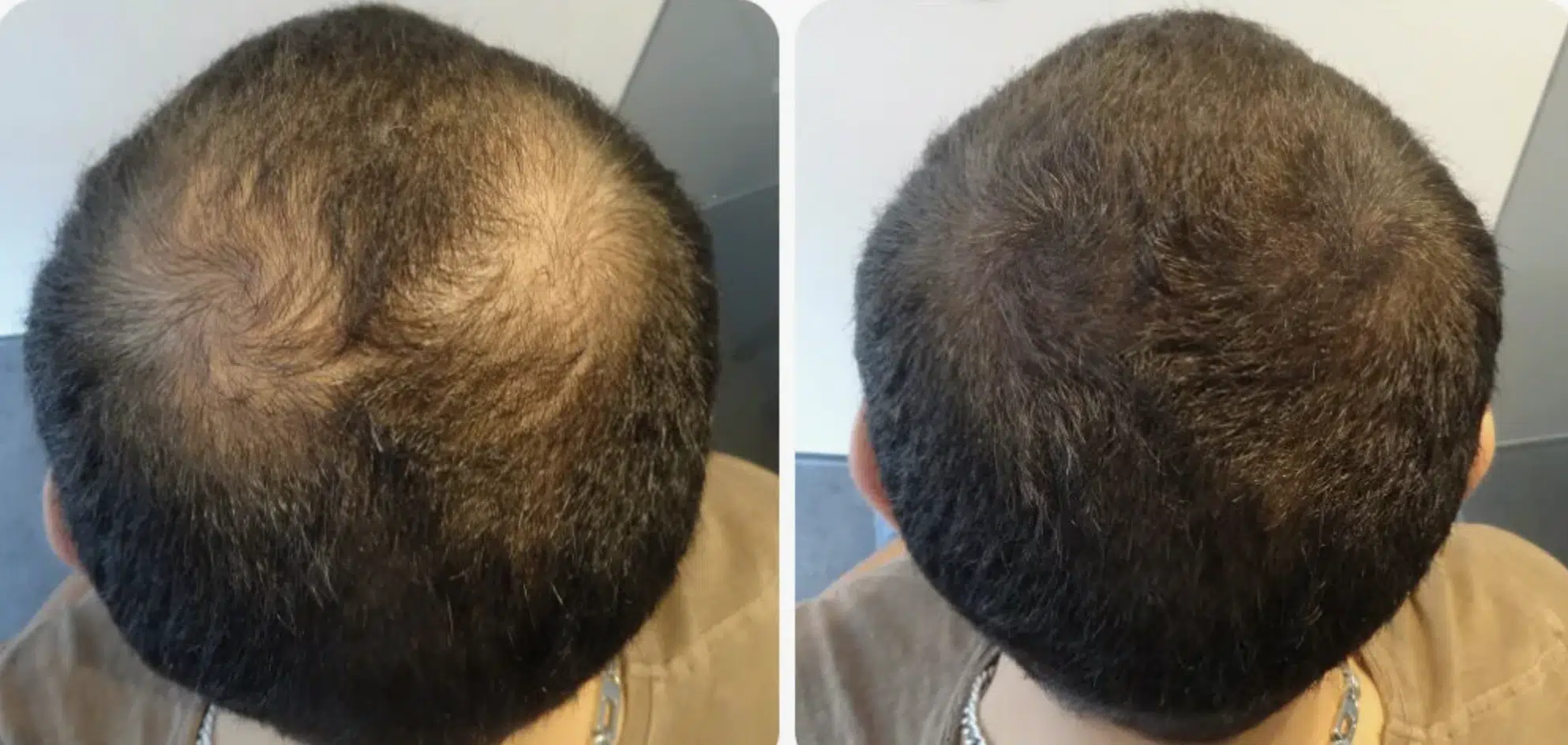
Peut-on utiliser des fibres capillaires tous les jours ?
Les fibres capillaires sont devenues une solution de choix pour les personnes confrontées à la perte de cheveux et à l'éclaircissement de la chevelure.
Quels sont les produits chimiques contenus dans Root Touch Up ?
Curieux de savoir ce que contient votre produit préféré de retouche des racines ?
Comment créer ma propre marque de produits de beauté ?
Vous souhaitez transformer votre passion pour les soins de la peau en une entreprise florissante dans ce domaine ?
Quel est le processus de production des aérosols? ?
Vous êtes-vous déjà demandé comment ce spray de déodorant, de laque ou de peinture passait de la boîte à, eh bien, partout ?
Comment choisir un fabricant cosmétique OEM fiable en Chine ?
Comment choisir un bon fabricant de maquillage en Chine : un guide pour vous.
Vous avez une idée.
Une nouvelle crème pour le visage. Un nouveau spray pour les cheveux. Une nouvelle couleur d'ongles.
Comment enlever la teinture capillaire de la peau : le seul guide dont vous avez besoin
Imaginez ceci.
Vous venez de teindre vos cheveux. Vous avez utilisé une nouvelle couleur. Ça a l'air génial. Vos cheveux brillent. Vous vous sentez heureux. Vous vous sentez comme une nouvelle personne.

À quelle fréquence devriez-vous laver vos cheveux ? Le guide ultime
Le réveil sonne.
Vous vous réveillez. Vous vous étirez. Vous marchez vers le miroir.
Vous regardez vos cheveux.
 English
  German
  Russian
  Spanish
  Korean
  French
  Japanese