
Cracking the Code: Do You Need A License To Sell Skincare On Etsy?
Thinking of turning your passion for soins de la peau en une société prospère Etsy business? You’re not alone! Many aspiring entrepreneurs are drawn to the platform’s vast reach and creative community. But before you launch your Etsy shop, a crucial question arises: do you need a business license à sell on Etsy? This comprehensive guide dives deep into the legalities of selling soins de la peau on Etsy, helping you navigate the rules and regulations to ensure a smooth and successful launch. We’ll cover everything from licences d'exploitation et permits à Etsy’s policies and prohibited items, giving you the knowledge you need to start your Etsy business en toute confiance.
Fait Etsy Require a Business License?
En bref, la réponse est la suivante : Etsy itself doesn’t directly require vendeurs to have a licence d'exploitation to open an Etsy shop. Etsy doesn’t require a business licence to operate on their platform. However, this doesn’t mean you’re automatically exempt from needing one. The requirement for a licence d'exploitation depends on your location (city, county, and state) and the type of business you’re operating. Think of Etsy en tant que online marketplace, while your business is a separate entity that may have its own legal obligations.
Tandis que Etsy provides a platform for vendeurs to connect with buyers, it’s your responsibility to ensure your business complies with all applicable les lois et règlements. This is where things can get a bit tricky, as the exigences légales vary significantly. Etsy also makes it clear that it is the vendeurs responsibility to know the local and state laws. So, while Etsy may not ask for proof of your licence d'exploitation, your local government might. Doesn’t require a business license, but your local government might.
When Might You Need a Business License à Sell on Etsy?
Tandis que Etsy doesn’t enforce a licence d'exploitation requirement, your local and state governments might. Here are some scenarios where you’re likely to need a business license to sell on Etsy:
- Your City, County, or State Requires It: Many jurisdictions require tous businesses, even small home-based businesses and online businesses, to obtain a general licence d'exploitation. This is often a basic requirement for operating legally within that area.
- You’re Selling a Certain Volume of Goods: Some areas have thresholds. If your sales exceed a certain amount within a specific period, you might be required to get a licence d'exploitation. This indicates you’re operating as a more established business rather than a casual side hustle.
- You’re Creating and Selling Certain Products: Vente soins de la peau might fall under specific regulations, especially if your products are considered cosmétiques. This is because cosmétiques are subject to stricter regulations regarding safety and labeling. Cosmetics products in particular have requirements.
- You Have a Physical Presence (Even at Home): Even if you’re primarily selling en ligne, if you’re manufacturing your produits de soins at home, your local zoning laws might require a home-based business permit or licence.
- You Intend to Make a Profit: Most jurisdictions consider an activity a business, requiring a licence, if your intention is to make a profit. A lot of vendeurs start their etsy business en tant que side hustle, but when it starts to generate income consistently, getting a licence might become necessary.
The best way to determine whether you need a business license is to contact your local city or county clerk’s office, as well as your state’s department of revenue or taxation. They can provide specific information based on your location and business activities. Don’t rely solely on online forums or general advice, as the rules can vary significantly. The local small business administration can also be a great resource.
Understanding Different Types of Business Licenses and Permits
The world of licences et permis d'exploitation can be confusing. Here’s a breakdown of some common types you might encounter when selling skincare on Etsy:
- General Business License: This is the most common type, often required by cities or counties for tous businesses operating within their jurisdiction. It’s essentially a permit to do business in that area.
- Home Occupation Permit: If you’re running your soins de la peau business from your home, you might need this permit. It ensures your business activities comply with local zoning regulations.
- Seller’s Permit (Sales Tax Permit): If your state has sales tax, you’ll likely besoin d'une licence pour vendre and collect sales tax from your customers. This applies even if you’re selling online through Etsy.
- Specific Product Licences: Depending on the ingredients and claims you make about your produits de soins, you might need specific licenses or permits. This is particularly relevant for cosmétiques, which are regulated by the FDA (Food and Drug Administration) in the United States. If you are selling handmade items, you may also need a licence to sell those items depending on your local laws.
- DBA (Doing Business As) or Fictitious Business Name Registration: If you’re operating your business under a name different from your own legal name, you might need to register a DBA.
Remember, the specific licenses and permits vous besoin will depend on your location and the nature of your Etsy business. It’s always best to check with your local and state authorities to ensure you’re fully compliant. Business license doesn’t guarantee success, but it helps avoid legal issues.
The Importance of Business Insurance for Skincare Sellers
While a licence d'exploitation allows you to operate legally, business insurance protects you from financial risks. This is particularly important for skincare vendeurs, as you’re dealing with products that come into direct contact with people’s skin. Here’s why business insurance is crucial:
- Product Liability Insurance: This is the most critical type of insurance for skincare vendeurs. It protects you if a customer claims your product caused them harm, such as an allergic reaction, skin irritation, or other injury. Even if you follow all safety guidelines, unforeseen reactions can happen. Responsible for adverse reactions if you don’t have the correct insurance.
- General Liability Insurance: This covers you for injuries or property damage that occur on your business premises (even if it’s your home) or as a result of your business operations.
- Professional Liability Insurance (Errors and Omissions Insurance): This can protect you if you provide advice or guidance related to your products, and a customer claims your advice led to harm.
The cost of business insurance varies depending on factors like your sales volume, product type, and coverage limits. However, it’s a relatively small investment compared to the potential financial burden of a lawsuit. Imagine having to pay significant legal fees and damages out of pocket – business insurance can help mitigate that risk. Getting your business insurance set up is a crucial step for a petites entreprises.
Naviguer Etsy’s Policies and Prohibited Items
Tandis que Etsy may not require a licence d'exploitation, they have their own set of policies and rules that vendeurs must adhere to. These policies are designed to maintain a safe and trustworthy marketplace for both buyers and vendeurs. Here are some key things to keep in mind:
- Etsy’s Seller Policy: This comprehensive document outlines all the rules and guidelines for selling on Etsy. It covers everything from listing practices and communication with buyers to prohibited items and intellectual property.
- Prohibited Items Policy: Etsy has a strict list of prohibited items that cannot be sold on the platform. This includes items that are illegal, dangerous, or violate intellectual property rights. For skincare, this means you cannot sell products that make medical claims, contain prohibited ingredients, or infringe on trademarks or copyrights. The prohibited items policy should be reviewed before listing items.
- Handmade Policy: Etsy is primarily a marketplace for handmade, vintage, and craft supplies. If you’re selling skincare, it should be handmade by you or designed by you and produced with the help of a production partner (who must be disclosed). You cannot simply resell commercially manufactured skincare products.
- Intellectual Property Policy Do not list trademarked products, such as name-brand cosmétique items. You need the rights to vendre vos produits in this case.
Failing to comply with Etsy’s policies can result in your listings being removed, your Etsy shop being suspended, or even permanent closure. It’s crucial to familiarize yourself with these policies avant you start selling. If you use etsy, you need to follow their policies.
Ensuring Your Skincare Products are Safe and Compliant
As a skincare vendeur, you have a responsibility to ensure your products are safe for your customers. This involves more than just avoiding obviously harmful ingredients. Here are some key considerations:
- Bonnes pratiques de fabrication (BPF) : Even if you’re making products at home, you should follow basic GMP guidelines. This includes maintaining a clean and sanitary workspace, using appropriate equipment, properly storing ingredients, and keeping accurate records.
- Ingredient Research: Thoroughly research all ingredients you use, understanding their potential benefits, risks, and interactions. Avoid using ingredients that are known to be common allergens or irritants, unless you clearly disclose them and provide appropriate warnings.
- Testing and Stability: If possible, have your products tested by a qualified laboratory to ensure their safety and stability. This can help identify potential issues, such as microbial contamination or degradation over time.
- Proper Packaging: Use appropriate packaging that protects your products from contamination and degradation.
- Consumer Product Safety: Be aware of the regulations set by the Consumer Product Safety Commission (CPSC) regarding product safety. Consumer product safety is a critical aspect of selling any product.
- Compliance: You’ll need to comply with all federal and state laws, as well as etsy policies.
Taking these steps demonstrates your commitment to product safety and builds trust with your customers. It also helps protect you from potential legal liability. Sure your products are safe before you list them.
Labeling Requirements for Cosmétique Produits
Proper labeling is crucial for skincare products, especially if they are considered cosmétiques. In the United States, the FDA (Food and Drug Administration) has specific regulations for labeling cosmetics. Here are some key requirements:
- Ingredient List: Vous doit list all ingredients in descending order of predominance by weight. Use the proper INCI (International Nomenclature of Cosmetic Ingredients) names.
- Net Weight/Quantity: Clearly state the net weight or volume of the product.
- Manufacturer/Distributor Information: Include your business name and address.
- Warnings and Cautions: If your product contains any ingredients that could cause irritation or allergic reactions, you doit include appropriate warnings and precautions.
- Product Listing: The details included in the product listing and the product itself must match.
- Réclamations : Be careful about the claims you make about your products. Avoid making medical claims (e.g., “cures acne”) or unsubstantiated claims (e.g., “removes wrinkles instantly”). You may besoin de s'enregistrer your products.
Failing to comply with FDA labeling regulations can result in penalties, including product recalls and fines. Even if you’re selling on Etsy, you are still subject to these regulations if your products are considered cosmétiques.
State and Local Regulations for Selling Skincare
En addition to a business licence and federal regulations (like FDA labeling requirements), you may also need to comply with state and local regulations regarding the sale of skincare. These can vary significantly, so it’s essential to do your research. Here are some examples:
- Taxe de vente : Most states require businesses to collect and remit sales tax on taxable goods, including skincare products. You’ll typically need a seller’s permit (also known as a sales tax permit) to do this.
- Cottage Food Laws: While these primarily apply to food products, some states have similar regulations for cosmétiques made at home. These regulations may specify requirements for sanitation, labeling, and permissible ingredients. Selling food on etsy has its own licenses and permits à prendre en considération.
- Local Health Permits: Some cities or counties may require health permits for businesses that manufacture or sell products that come into contact with the skin.
Contact your state’s department of revenue or taxation, your local city or county clerk’s office, and your local health department to determine the specific requirements you need to meet.
Resources for Etsy Sellers: Getting Help and Support
Navigating the legal and regulatory landscape of selling skincare on Etsy can be daunting. Fortunately, several resources are available to help you:
- Etsy Seller Handbook: This is a comprehensive resource provided by Etsy that covers a wide range of topics, including legal requirements, shipping, marketing, and more.
- Small Business Administration (SBA): The SBA offers free counseling and resources for small businesses, including information on licences d'exploitation, permits, and regulations.
- SCORE: SCORE is a non-profit organization that provides free mentoring and workshops for small business owners.
- LegalZoom or Similar Services: These online legal services can provide assistance with obtaining licences d'exploitation, forming an LLC (Limited Liability Company), and other legal tasks.
- Industry Associations: Consider joining industry associations related to skincare or cosmétiques. These organizations can provide valuable information, networking opportunities, and advocacy.
Don’t hesitate to seek help and guidance from these resources. It’s better to be proactive and ensure you’re fully compliant avant you start selling.
Building a Successful Skincare Business on Etsy: Beyond the Legal Stuff
Once you’ve addressed the legal and regulatory aspects, you can focus on building a thriving skincare business on Etsy. Voici quelques conseils :
- Produits de haute qualité : Offer effective, well-formulated skincare products that meet a genuine need or desire.
- Beautiful Branding: Create a visually appealing brand identity that reflects your product’s quality and target audience.
- Compelling Product Listings : Write clear, concise, and persuasive product descriptions that highlight the benefits of your skincare. Use high-quality photos that showcase your products attractively.
- Excellent service à la clientèle : Respond promptly to customer inquiries, address concerns effectively, and go the extra mile to create a positive shopping experience.
- Marketing and Promotion: Utiliser Etsy‘s built-in marketing tools, social media, and other channels to promote your shop and products.
- Prix compétitifs : Price your products competitively while ensuring you’re making a reasonable profit.
By focusing on these key areas, you can increase your chances of success on Etsy and build a sustainable skincare business.
Table Summarizing License & Permit Possibilities
| License/Permit | Description | Who Might Need It |
|---|---|---|
| General Business License | A general permit to operate a business within a specific jurisdiction. | Most businesses, including Etsy sellers, depending on local and state laws. |
| Home Occupation Permit | Allows operation of a business from a residential property. | Etsy sellers operating from home, depending on local zoning regulations. |
| Seller’s Permit (Sales Tax Permit) | Allows collection and remittance of sales tax. | Etsy sellers in states with sales tax, selling taxable goods. |
| Specific Product Licenses | Required for certain types of products, such as cosmétiques or food items. | Etsy sellers of cosmétiques, depending on ingredients and claims made. |
| DBA/Fictitious Business Name | Registration for businesses operating under a name other than the owner’s. | Etsy sellers using a business name different from their legal name. |
| Cottage Food License | May exist in a similar concept for home made cosmétiques | Etsy Cosmétique sellers. |
Summary of 10 Key Things to Remember
- Etsy itself doesn’t require a licence d'exploitation, but your local, state, or federal government might.
- Research the specific licence d'exploitation requirements in your city, county, and state.
- Certain types of products, especially cosmétiques, may have additional licensing or permit needs.
- Business insurance, particularly product liability insurance, is crucial for skincare vendeurs.
- Familiarize yourself with Etsy’s Seller Policy and Prohibited Items Policy.
- Ensure your skincare products are safe, properly labeled, and comply with FDA regulations (if applicable).
- Collect and remit sales tax if required by your state. Obtain a seller’s permit.
- Consider forming an LLC (Limited Liability Company) to protect your personal assets.
- Utilize resources like the SBA, SCORE, and Etsy’s Seller Handbook for guidance.
- Focus on creating high-quality products, building a strong brand, and providing excellent customer service to succeed on Etsy.

Comment créer une entreprise en ligne en Russie ?
La Russie, avec son vaste territoire, sa population importante et sa pénétration croissante de l'internet, présente des opportunités commerciales intéressantes pour les entrepreneurs, en particulier dans le secteur du commerce électronique.
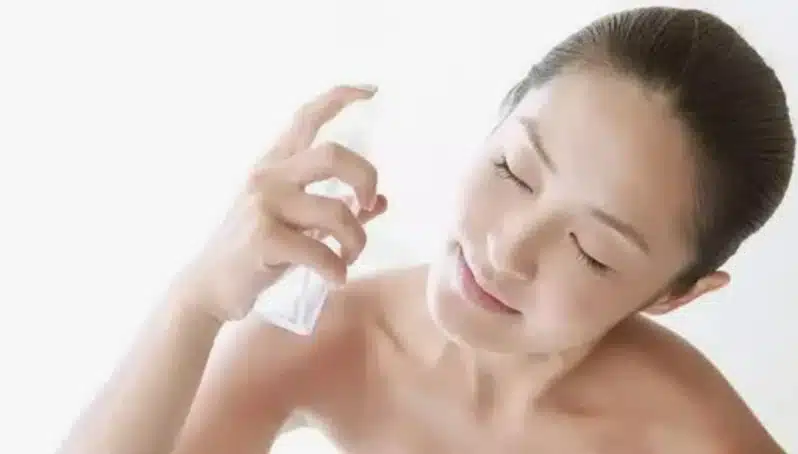
Comment utiliser le spray hydratant ?
Vous avez déjà essayé un spray hydratant et vous vous demandez si vous l'utilisez correctement ?
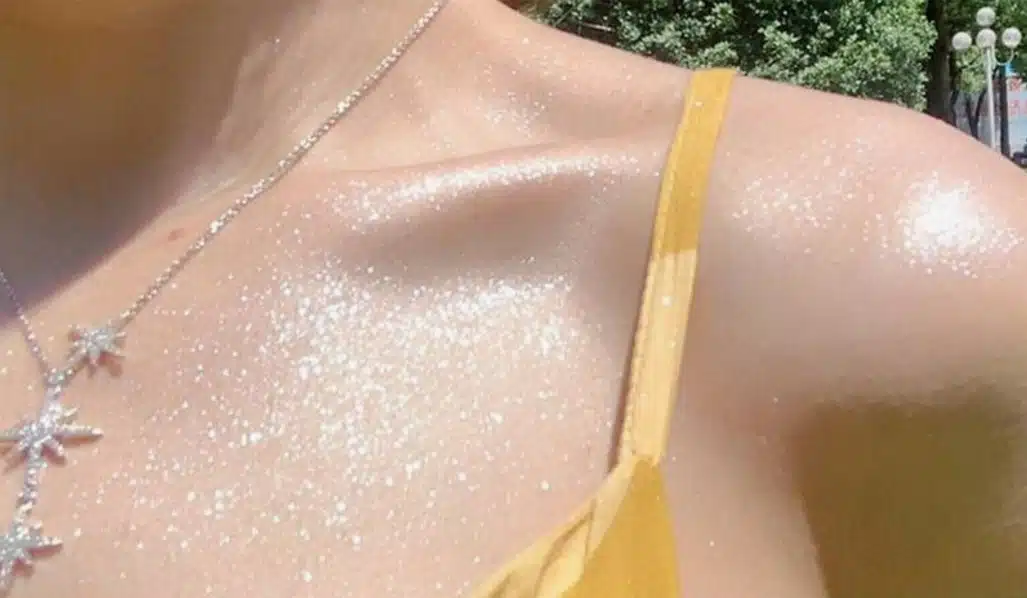
À quoi sert la poudre d'accentuation ?
Vous êtes-vous déjà demandé comment obtenir un éclat radieux, une lumière intérieure ?
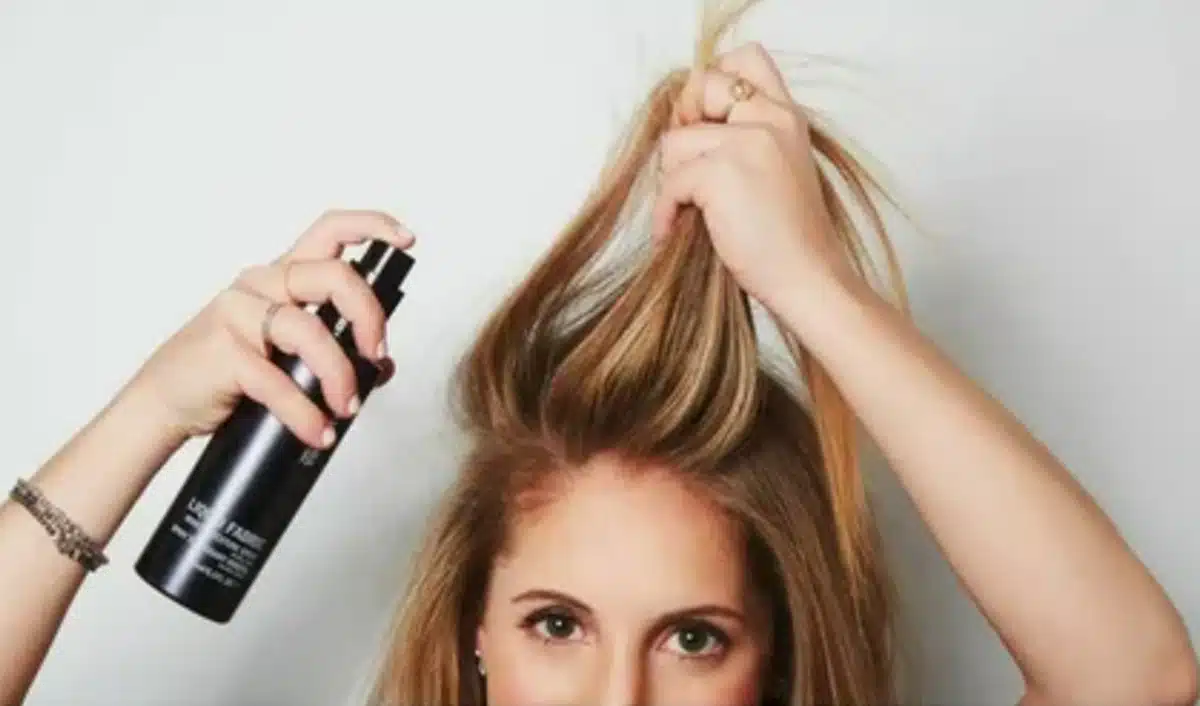
Quel est l'effet du spray coiffant ?
Vous êtes-vous déjà demandé comment conserver une coiffure impeccable tout au long de la journée ?

Le spray fixant est-il la dernière étape du maquillage ?
Vous êtes-vous déjà demandé si le spray fixant est la touche finale dont votre routine de maquillage a besoin ?

Comment choisir un fabricant cosmétique OEM fiable en Chine ?
Comment choisir un bon fabricant de maquillage en Chine : un guide pour vous.
Vous avez une idée.
Une nouvelle crème pour le visage. Un nouveau spray pour les cheveux. Une nouvelle couleur d'ongles.
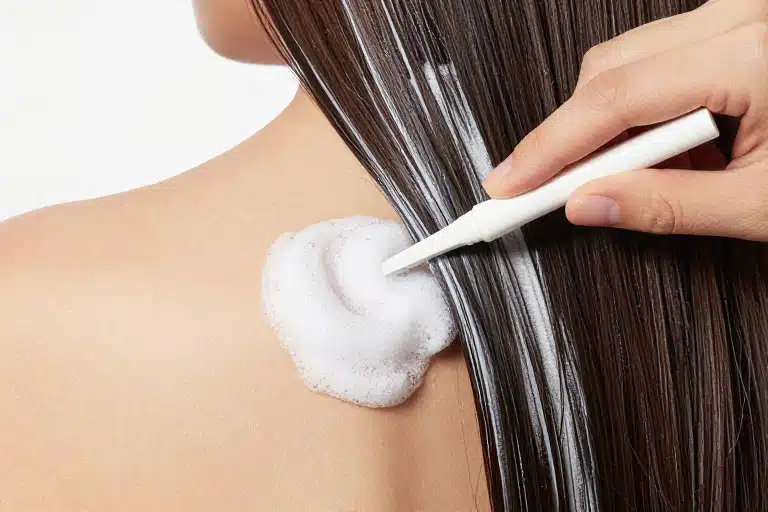
Comment enlever la teinture capillaire de la peau : le seul guide dont vous avez besoin
Imaginez ceci.
Vous venez de teindre vos cheveux. Vous avez utilisé une nouvelle couleur. Ça a l'air génial. Vos cheveux brillent. Vous vous sentez heureux. Vous vous sentez comme une nouvelle personne.

À quelle fréquence devriez-vous laver vos cheveux ? Le guide ultime
Le réveil sonne.
Vous vous réveillez. Vous vous étirez. Vous marchez vers le miroir.
Vous regardez vos cheveux.
 English
  German
  Russian
  Spanish
  Korean
  French
  Japanese