
Aerosol Adventures: Unveiling Everyday Examples of Aerosol Products
Ever wondered what that fine brouillard from your pulvériser can is? Or how a can of whipped cream magically dispenses its fluffy goodness? The answer often lies in the fascinating world of aérosols. Aérosols are more than just a convenient way to pulvériser products; they are a scientific marvel that plays a crucial role in delivering a vast array of goods, from produits cosmétiques to household cleaners. This article explores the diverse world of aerosol products, providing everyday examples and explaining how these pressurized systems work. You’ll discover the different types of aerosol and gain a deeper understanding of the science behind the pulvériser. If you’ve ever been curious about what makes an aérosol work or what products utilize this technology, this article is your ultimate guide.
Defining Aerosols: A Scientific Overview
Un aérosol is defined as a suspension of fine solid particles ou liquid droplets in air or another gas. In simpler terms, it’s a system where tiny particles are dispersed throughout a gas, much like a mist or fog. Think of a can of spray paint, where fine paint particles are suspended in a gas. This is a classic example of an aérosol in action. Les aérosols sont utilisés in many different products.
In the context of consumer products, aérosols refer to items packaged under pressure with a propulseur that dispenses the product as a pulvériser, mousse, or stream when a soupape is opened. The propulseur est un gas that can be either liquefied or compressed. When the soupape is activated, the pressure difference between the inside of the container and the outside atmosphere forces the product out, often creating a brouillard fin. Les particle size is a crucial element of an aérosol.
The Mechanics of an Aérosol
The operation of an aerosol spray is a clever application of physics. Here’s how it works:
- Pressurisation : Un aerosol can contains both the product you want to dispense and a propulseur. Les propulseur est un gas that is either liquefied under pressure or compressed. This creates a high-pressure environment inside the can. This gas is responsible for pushing the product out when the soupape is activated. The propulseur can either be mixed in with the product or kept separate, depending on the type of aérosol système.
- Activation de la valve : When you press down on the nozzle, you open the soupape. This creates a pathway for the pressurized contents to escape. The soupape is designed to control the flow of the product and the type of pulvériser modèle. Bombes aérosols are specifically designed to maintain the pressure needed to dispense the product.
- Distribution de produits : Because the pressure inside the can is higher than the atmospheric pressure outside, the product, mixed with the propulseur, is forced up a dip tube and out through the soupape. Bombes aérosols use this mechanism.
- Atomization (or Foaming): As the mixture leaves the nozzle, the propulseur rapidly expands and evaporates. This rapid expansion breaks the product into tiny droplets, créant ainsi une pulvériser ou brouillard. In the case of mousses, le propulseur creates bubbles within the product. This process of turning a liquid into small droplets is called atomization.
The nature of the dispensed product – whether a brouillard fin, a stream, or a mousse – depends on factors like the product’s formulation, le type of aerosol, le propulseur utilisés, et la conception de la soupape and nozzle.
Household Aerosol Products: A Home Essential
Aérosol technology is ubiquitous in our homes, providing convenient dispensing solutions for a wide range of products. Here are some common examples:
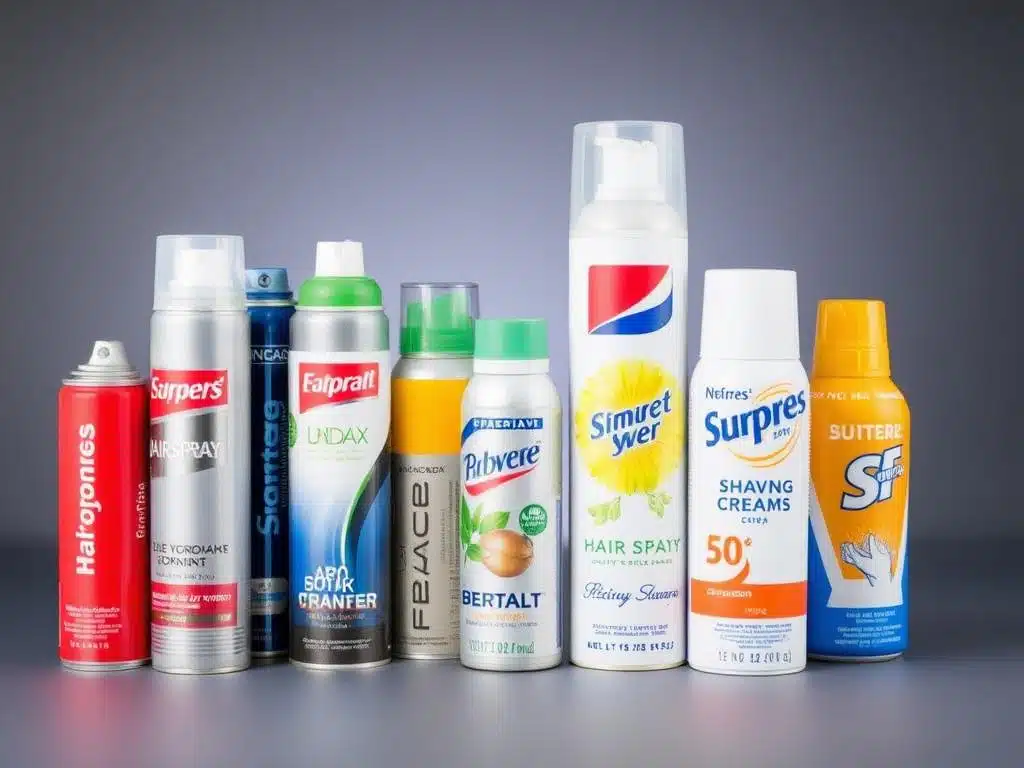
- Air Fresheners: These are designed to release a pleasant parfum into the air. They typically use a liquefied gas propulseur pour créer un brouillard fin that disperses the parfum throughout a room.
- Cleaning Products: Many household cleaners, such as disinfectants, oven cleaners, and furniture polish, are packaged as aérosols. Les aérosol format allows for easy application and even coverage of surfaces. Aerosols are also used for dusting vaporisateurs and glass cleaners.
- Insecticides: Insecticides utilisent souvent aérosol technology to deliver a targeted pulvériser that can reach into cracks and crevices where insects may hide. The propulseur helps to disperse the insecticide effectively.
- Spray Paint: Spray paint is a classic example of an aérosol product. The paint is mixed with a gaz liquéfié propulseur, which allows for smooth, even application on a variety of surfaces. This is a very common use of aérosols and allows for a thin layer to be applied.
- Lubricants: Products like WD-40 are often found in aérosol cans. The pulvériser format allows for precise application to loosen rusted parts or lubricate moving components.
- De-icers: Ces vaporisateurs are used to melt ice on car windshields and other surfaces. They typically contain a mixture of alcohols and other chemicals that lower the freezing point of water.
- Laques pour cheveux : These products use aérosols to create a fine brouillard qui assure le maintien et le contrôle de divers coiffures. This is one of the most well-known uses of aérosol technologie.
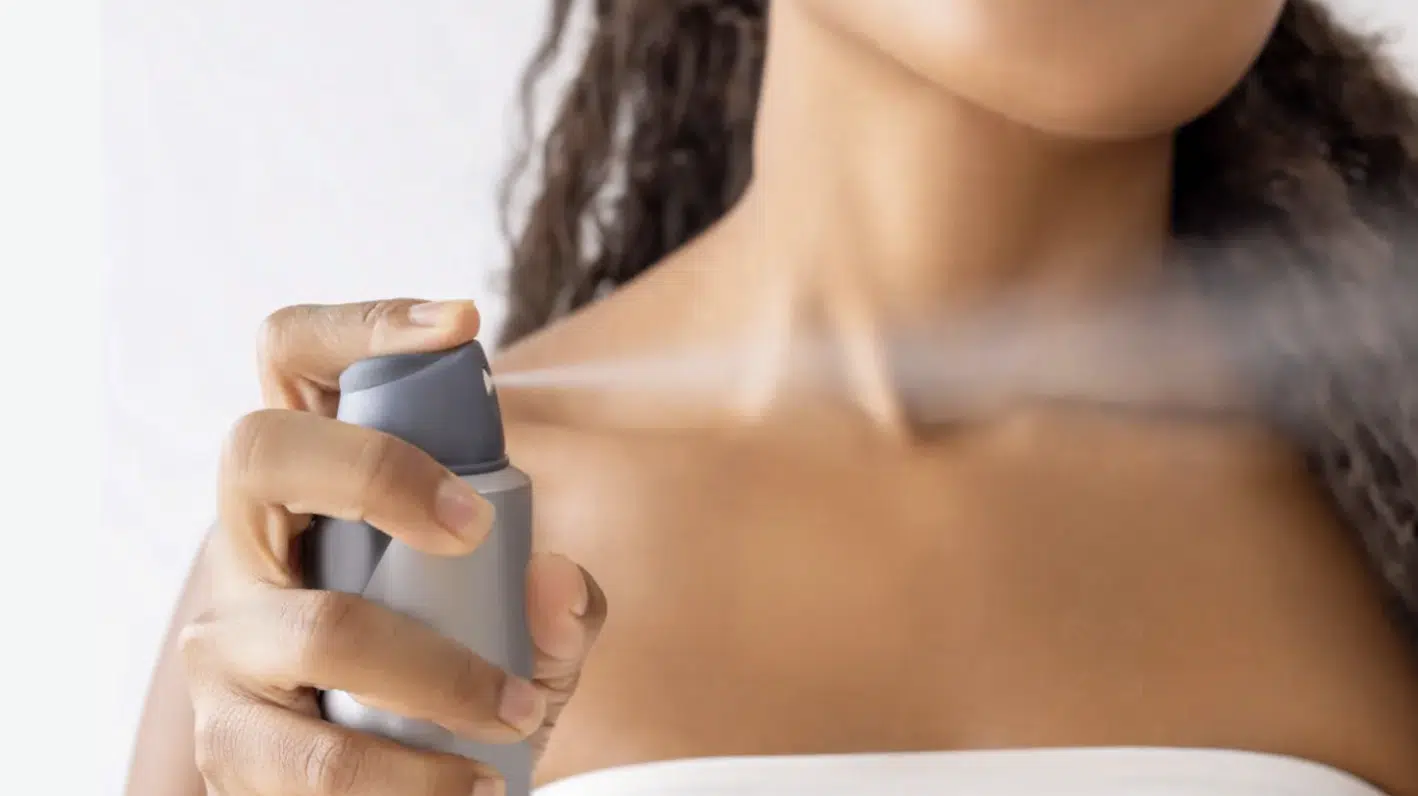
- Deodorant: Nombreux déodorant et anti-transpirant brands use aérosol to deliver their product.
These are just a few examples of the many household products that utilize aérosol technologie. Produits aérosols are popular because they are convenient, easy to use, and often provide a more effective way to apply a product than traditional methods.
Cosmetic and Personal Care Aérosols: Beauty in a Can
The beauty and personal care industry relies heavily on aérosol technology to deliver a wide range of products:
- Laques pour cheveux: Comme indiqué précédemment, laques pour cheveux are a classic example of aérosols cosmétiques. They use a fine brouillard to provide hold, control frizz, and add volume to the cheveux.
- Deodorants and Antiperspirants: Nombreux déodorants et antisudorifiques sont emballés en tant que aérosols, allowing for quick and easy application to the underarms. The pulvériser format helps to distribute the product evenly and provides a cooling sensation. Deodorant sprays are a popular choice for many people.
- Shampooing sec: Secs shampoing is used to absorb oil and refresh cheveux between washes. Aérosol sec shampooings are popular because they are easy to apply and distribute the product evenly through the cheveux.
- Body Sprays: Parfum corps vaporisateurs utilisent souvent aérosol de la technologie pour créer une fine brouillard that can be applied all over the body.
- Crème solaire: Spray-on les écrans solaires have become increasingly popular due to their convenience, especially for covering large areas of the body quickly and easily. They use aérosols pour créer un produit fin et homogène. pulvériser that provides broad-spectrum UV protection.
- Self-Tanners: Spray-on self-tanners provide a more even application than lotions and can help to avoid streaks.
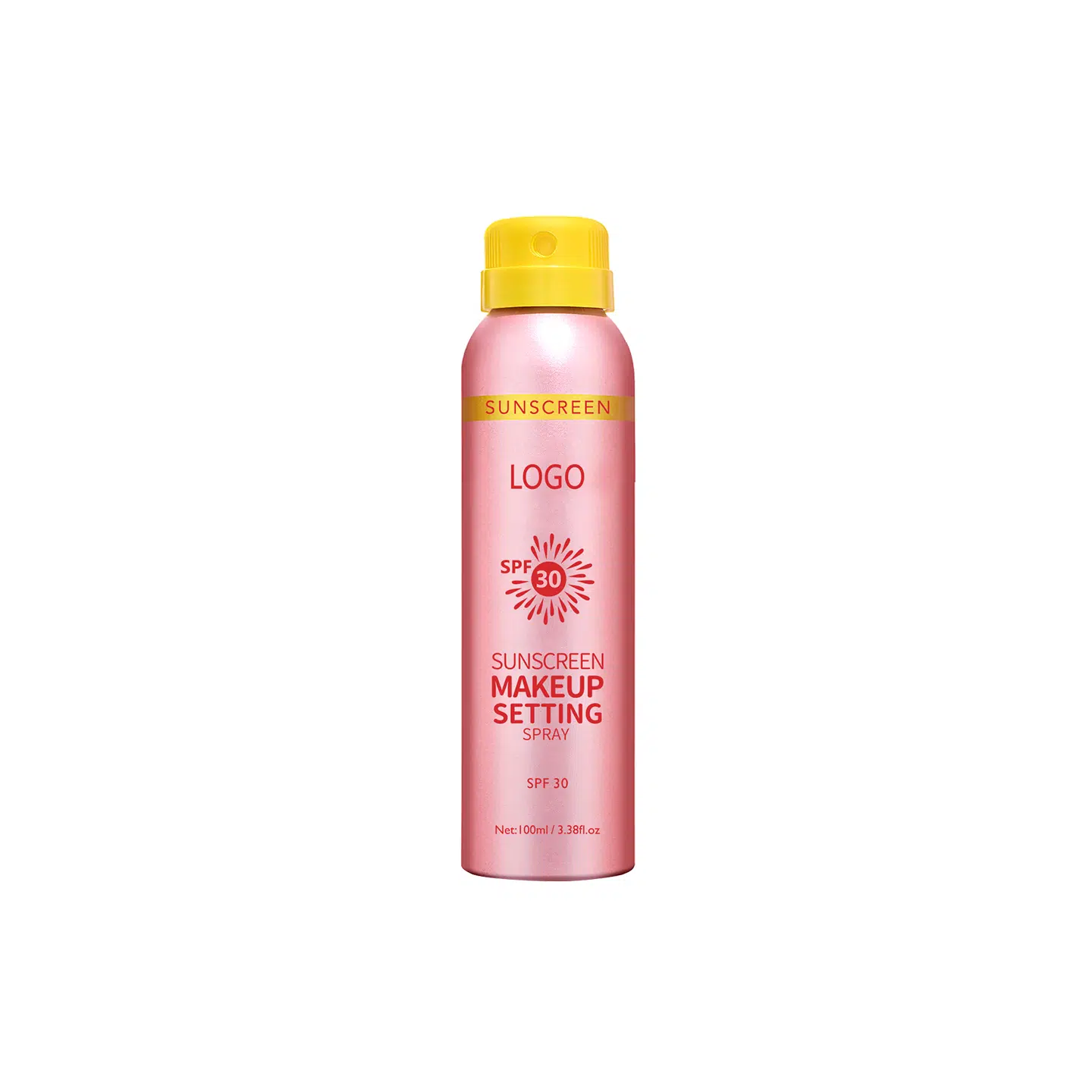
- Makeup Setting Sprays: Ces vaporisateurs are used to help makeup dernier longer and prevent it from smudging or fading. They often use aérosol de la technologie pour créer une fine brouillard that sets the makeup without disturbing it.
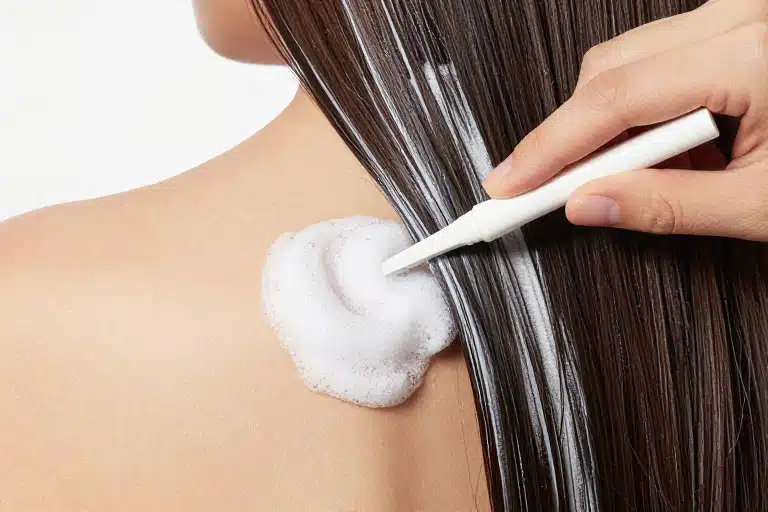
- Mousse: La mousse capillaire est souvent distribuée sous forme de mousse from an aerosol can, providing volume and texture to the cheveux.
Produits cosmétiques utilisent souvent aérosol technology because it allows for a fine, even application, which is often crucial for achieving the desired look. The pulvériser format also helps to prevent product waste and ensures that the product is applied hygienically. Aérosol technology has revolutionized the way many produits cosmétiques are formulated and used.
Food Products: Aérosols in the Kitchen
While less common than household and cosmetic aérosols, aérosol technology is also used in the food industry:
- Whipped Cream: Whipped cream in a can is a classic example of a food aérosol. Les crème is packaged with a propulseur, typically nitrous oxide, which creates the characteristic fluffy texture when the crème is dispensed. The nitrous oxide dissolves in the crème and forms gas bubbles when the pressure is released, creating the whipped effect.
- Cooking Sprays: Non-stick cooking vaporisateurs utiliser aérosols to create a thin, even coating of oil on pots, pans, and baking sheets. This helps to prevent food from sticking and makes cleanup easier.
- Cheese Sprays: Similar to whipped cream, some processed cheese products are packaged in bombes aérosols and dispensed as a pulvériser or stream.
- Cake Frosting: Aérosol cans of cake frosting allow for quick and easy decoration of cakes and cupcakes.
- Oil Sprays: Olive oil and other cooking oils are sometimes packaged in aérosol vaporisateurs for convenient portion control and even application.
Food aérosols use food-grade propulseurs that are safe for consumption, such as nitrous oxide ou carbon dioxide. The use of aérosols in the food industry is regulated to ensure the safety and quality of the products.
Industrial and Automotive Aérosols: Beyond the Home
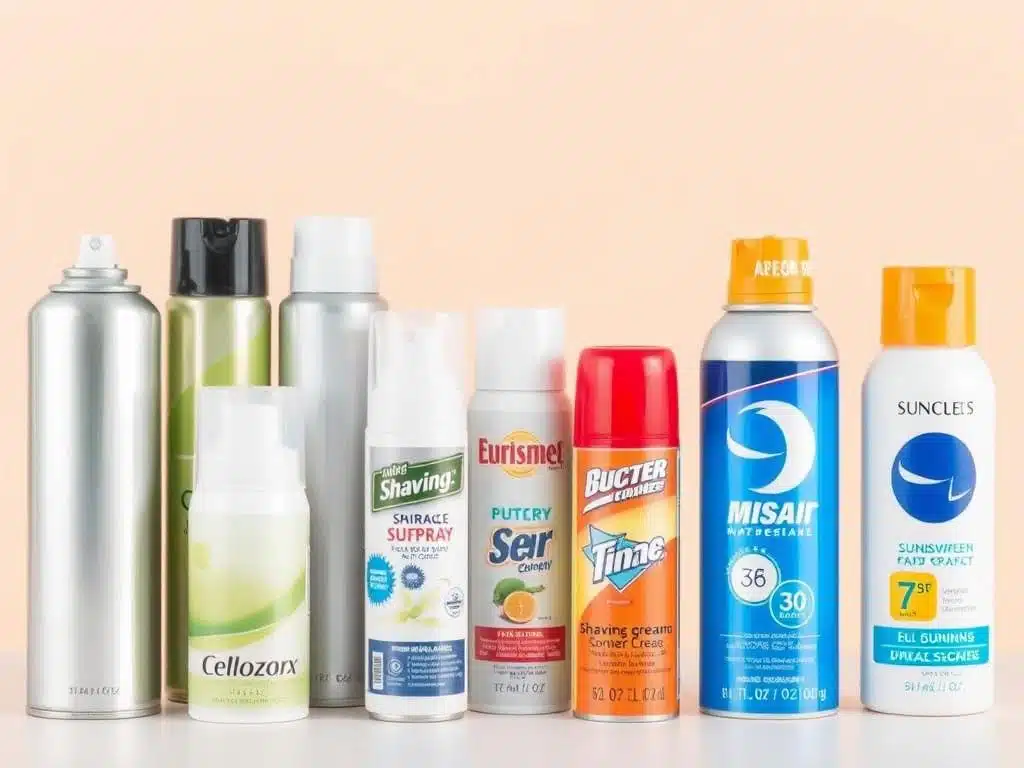
Aérosol technology also plays a vital role in various industrial and automotive applications:
- Spray Paint: Comme indiqué précédemment, spray paint is a widely used aérosol product. It’s used in a variety of industrial applications, such as painting machinery, equipment, and metal parts. Aerosol paint provides a quick and easy way to apply a durable, even coat of paint.
- Lubricants and Greases: Many industrial lubricants and greases are packaged as aérosols, allowing for precise application in hard-to-reach areas.
- Adhesives: Some adhesives are available in aérosol form, providing a convenient way to apply a thin, even layer of adhesive to various surfaces.
- Cleaners and Degreasers: Industrial-strength cleaners and degreasers often use aérosol technology for effective application and penetration into tight spaces.
- Coatings and Sealants: Various protective coatings and sealants are packaged as aérosols for easy application to a variety of substrates.
- Automotive Products: Many automotive products, such as brake cleaners, tire inflators, and touch-up paint, are available in aérosol cans.
In these applications, aérosols offer benefits such as precise application, even coverage, and the ability to reach tight spaces. The propulseurs et formulations used in industrial and automotive aérosols are often different from those used in consumer products, as they need to meet specific performance and safety requirements. Many commercial aerosols are used in these industries.
Medical Aérosols: Delivering Health Solutions
Aérosol technology also plays a crucial role in the medical field, particularly in the delivery of medication:
- Inhalers: Inhalers are a common example of a medical aérosol. They are used to deliver medication directly to the lungs, primarily for the treatment of respiratory conditions like asthme and chronic obstructive pulmonary disease (COPD). Metered-dose inhalers (MDIs) use a propulseur to deliver a precise dose of medication as a fine brouillard, which the patient inhales. The medication is often combined with a liquid propellant to create the aérosol. Dry powder inhalers (DPIs) are another type, which do not use a propulseur but rely on the patient’s inhalation to disperse the powdered medication.
- Nasal Sprays: Many nasal vaporisateurs, used to treat allergies, congestion, and other nasal conditions, use aérosol technology or a similar pump mechanism to deliver a fine brouillard of medication to the nasal passages. These can include saline solutions, decongestants, and corticosteroids.
- Topical Anesthetics: Some topical anesthetics are available in aérosol form, allowing for quick and easy application to the skin or mucous membranes to provide localized pain relief. This can be useful before minor procedures like injections or wound cleaning.
- Wound Care Products: Some wound care products, such as antiseptic vaporisateurs and liquid bandages, utilize aérosol technology for convenient and hygienic application.
- Disinfectant Sprays: Disinfectant vaporisateurs are another example of aérosol use in the medical field.
Medical aérosols are subject to strict regulations to ensure the safety, efficacy, and proper delivery of medication. The particle size de la aérosol is particularly important in inhalers, as the particles need to be small enough to reach the deep parts of the lungs (bronchioles). Aérosols sont used to deliver medication effectively.
Environmental and Safety Considerations of Aérosol Produits
Tandis que aérosols offer many benefits, their use also raises some environmental and safety concerns:
- Appauvrissement de la couche d'ozone : Historically, aérosols used chlorofluorocarbons (CFC) comme propulseurs. CFC se sont révélées être un facteur important de l'appauvrissement de la couche d'ozone. couche d'ozone, which protects the Earth from harmful UV radiation. The use of CFC en aérosols has been largely phased out under the Montreal Protocol. However, it’s important to be aware that older aérosol les produits peuvent encore contenir des CFC. L'appauvrissement de la couche d'ozone is a serious environmental issue.
- Pollution atmosphérique : Nombreux aérosol propulseurs, en particulier hydrocarbures comme propane et butanesont des composés organiques volatils (COV). COV can react with other pollutants in the atmosphere to form ground-level ozone, a major component of smog. Ground-level ozone can cause respiratory problems and other health issues. Regulations in many countries limit the amount of COV qui peuvent être utilisés dans les aérosol produits.
- Inflammabilité : Nombreux aérosol propulseurs, en particulier hydrocarbures, are inflammable. Bombes aérosols should be kept away from heat sources and open flames. They should never be punctured or incinerated, even when empty. This is an important consideration.
- Inhalation Risks: L'inhalation du contenu de aérosol vaporisateurs can be harmful, particularly with prolonged or excessive exposure. The propulseurs and other ingredients can irritate the lungs and may cause coughing, wheezing, or shortness of breath. Some propulseurs can also have a narcotic effect if inhaled in large quantities. It’s important to use aérosols in well-ventilated areas and to avoid direct inhalation.
- Élimination des déchets : Bombes aérosols peuvent être difficiles à recycler parce qu'ils sont fabriqués en métal et peuvent contenir des résidus d'eau de mer. propulseur et le produit. Cependant, de nombreux programmes de recyclage acceptent désormais les bombes aérosols. It is becoming easier to dispose of these items correctly.
Les aerosol industry is actively working to address these concerns by developing more environmentally friendly propulseurs, réduisant COV emissions, improving aérosol can recycling, and educating consumers about safe use and disposal.
L'avenir de la Aérosol Technology: Innovations and Trends
Les aérosol industry is constantly evolving, driven by technological advancements, regulatory changes, and consumer demand for more sustainable and effective products. Some key trends and innovations shaping the future of aérosol technology include:
- Les propergols alternatifs : Research and development efforts are focused on identifying and commercializing alternative propulseurs with lower global warming potential and reduced environmental impact. This includes the use of comprimé gases like nitrogen and carbon dioxide, as well as the development of new gaz liquéfié propulseurs with improved environmental profiles.
- Formulations à base d'eau : La tendance est de plus en plus à la à base d'eau aérosol formulations, ce qui peut réduire la nécessité de volatile solvants et propulseurs. Ceux-ci formulations utilisent souvent comprimé l'air ou l'azote comme propulseur and are considered to be more environmentally friendly.
- Technologie Bag-on-Valve : This innovative technology separates the product from the propulseur en utilisant un sac à l'intérieur de la boîte. Cela permet d'utiliser comprimé l'air ou l'azote comme propulseur and offers several advantages, including the ability to spray the product at any angle, improved product purity, and longer shelf life.
- Conception améliorée des soupapes : Innovations en matière de soupape La conception de ces produits permet une distribution plus efficace, un meilleur contrôle de la qualité de l'eau et un meilleur contrôle de la qualité de l'eau. pulvériser et de réduire les déchets de produits. Doseur Les vannes, par exemple, distribuent une dose précise de quantité de produit with each pulvériser.
- Emballage durable : There is a growing emphasis on using sustainable and recyclable materials for aérosol containers. This includes the use of recycled aluminum and the development of alternative packaging options, such as refillable containers.
- Smart Aerosols: The future may bring “smart” aérosols that can sense the environment or the user’s needs and adjust the pulvériser pattern, dosage, or other parameters accordingly.
These innovations are driven by a combination of factors, including regulatory pressures, consumer demand for more sustainable and user-friendly products, and advancements in materials science, chemistry, and engineering. The aérosol industry is committed to reducing its environmental footprint and improving the safety and performance of its products.
Choosing and Using Aérosol Products Responsibly
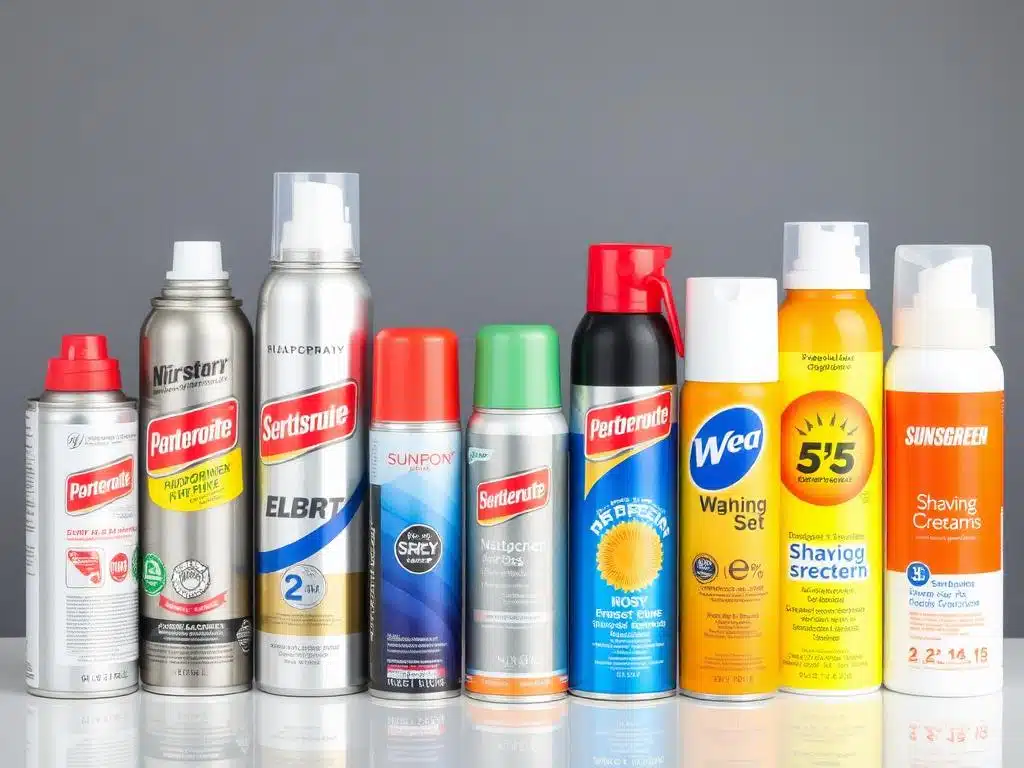
As a consumer, you can make informed choices about the aérosol products you use and take steps to minimize their environmental and health impacts:
- Lisez attentivement les étiquettes : Pay attention to the ingredients, warnings, and instructions on aérosol product labels. Choose products that meet your needs and preferences, and be aware of any potential risks.
- Consider Non-Aerosol Alternatives: When possible, consider using non aérosol alternatives, such as pump vaporisateurs, lotions, crèmes, or solid products. These alternatives often have a lower environmental impact and may be less likely to cause inhalation issues.
- Use in Well-Ventilated Areas: Always use les aérosols in well-ventilated areas to minimize inhalation de la propulseur et du produit. Ouvrez une fenêtre ou utilisez un ventilateur d'extraction si possible.
- Avoid Direct Inhalation: Do not intentionally inhale les aérosols. Hold the can at the recommended distance from your body and direct the pulvériser loin de votre visage.
- Stocker correctement : Magasin bombes aérosols in a cool, dry place, away from heat sources, open flames, and direct sunlight. Do not puncture or incinerate bombes aérosols, even when empty.
- Éliminer de manière appropriée : Recycle empty bombes aérosols conformément aux directives locales de recyclage. De nombreux programmes de recyclage acceptent désormais les aérosol containers. If you’re unsure how to dispose of a specific product, contact your local waste management authority for guidance.
- Choose Products with Lower VOC Content: Rechercher aérosol products that are labeled as low-COV or that use alternative propulseurs comme comprimé gas.
- Support Sustainable Brands: Consider purchasing aérosol products from companies that are committed to sustainability and are actively working to reduce the environmental impact of their products.
By making informed choices and using aérosol products responsibly, you can minimize your impact on the environment and reduce potential health risks.
Ce qu'il faut retenir :
- Un aérosol is a suspension of fine solid particles ou liquid droplets dans un gas. In consumer products, it refers to a pressurized container that dispenses a product as a pulvériser, mousse, or stream.
- Aérosols en utilisant un propulseur (a compressed or gaz liquéfié) to force the product out of the container when the soupape est ouvert.
- Common examples of aerosol products inclure laques pour cheveux, déodorants, les écrans solaires, spray paint, insecticides, whipped cream, and inhalers.
- Aérosols offer benefits such as fine and even application, controlled dosage, convenience, hygiene, and the ability to reach difficult areas.
- Historically, aérosols used chlorofluorocarbons (CFC) comme propulseurs, which were found to deplete the couche d'ozone. CFC have been largely phased out and replaced with hydrocarbures ou compressed gases.
- Hydrocarbon propellants comme propane, butane, and isobutane are inflammable and can contribute to air pollution by releasing volatile organic compounds (VOCs).
- Inhaling les aérosols can irritate the lungs and may pose health risks, particularly with prolonged or excessive exposure.
- Les aerosol industry is working to develop more sustainable technologies, including alternative propulseurs, à base d'eau formulations, and bag-on-soupape des systèmes d'alimentation en eau.
- Consumers can use aerosol products responsibly by reading labels, using them in well-ventilated areas, avoiding inhalation, storing them properly, and disposing of them correctly.
- L'avenir de la aérosols is likely to involve greater emphasis on sustainability, personalization, multifunctional products, technological advancements, and increased regulation.
Que se passe-t-il si vous n'utilisez pas de spray fixant ?
Le spray fixant est souvent considéré comme le secret ultime d'un maquillage durable et impeccable.

Le spray fixant est-il la dernière étape du maquillage ?
Vous êtes-vous déjà demandé si le spray fixant est la touche finale dont votre routine de maquillage a besoin ?
Quelle est la durée de vie d'un spray colorant temporaire ?
Vous avez toujours voulu changer de look sans vous engager à long terme ?

Quel produit n'est pas respectueux de l'environnement ?
Le terme "écologique" est devenu un mot à la mode, mais les produits commercialisés avec ce label sont-ils vraiment meilleurs pour l'environnement ?
Est-il préférable de mettre de la mousse sur des cheveux humides ou mouillés ?
Vous êtes-vous déjà demandé si l'application d'une mousse capillaire sur des cheveux humides ou mouillés faisait une différence ?

Comment choisir un fabricant cosmétique OEM fiable en Chine ?
Comment choisir un bon fabricant de maquillage en Chine : un guide pour vous.
Vous avez une idée.
Une nouvelle crème pour le visage. Un nouveau spray pour les cheveux. Une nouvelle couleur d'ongles.
Comment enlever la teinture capillaire de la peau : le seul guide dont vous avez besoin
Imaginez ceci.
Vous venez de teindre vos cheveux. Vous avez utilisé une nouvelle couleur. Ça a l'air génial. Vos cheveux brillent. Vous vous sentez heureux. Vous vous sentez comme une nouvelle personne.

À quelle fréquence devriez-vous laver vos cheveux ? Le guide ultime
Le réveil sonne.
Vous vous réveillez. Vous vous étirez. Vous marchez vers le miroir.
Vous regardez vos cheveux.
 EN
EN  DE
DE  RU
RU  ES
ES  KO
KO  FR
FR  JA
JA