
Decoding the Gold Standard: What You Need to Know About Quality Control in Cosmetics
Les industrie cosmétique is a dynamic and ever-growing market, offering a vast array of products designed to enhance beauty and personal care. But behind every produit cosmétique lies a critical process that ensures its la sécurité et la qualité for consumers: le contrôle de la qualité. Quality control in cosmetics is a multifaceted discipline that encompasses everything from matière première selection to produit final essais. This comprehensive guide explores the vital role of le contrôle de la qualité dans le l'industrie cosmétique, uncovering the meilleures pratiques, rigorous les méthodes d'essai, and regulations that entreprises de cosmétiques must adhere to. We will delve into the need to know about quality control pour produit cosmétique et le cosmetic manufacturing process. Whether you’re a cosmétique professional, a consumer, or simply curious about how your favorite products are made, this article will provide valuable insights into the rigorous world of contrôle de la qualité des produits cosmétiques.
Qu'est-ce que Contrôle de la qualité and Why is it Important in the Industrie des cosmétiques?
Quality control (QC) is a systematic process used to ensure that a product or service meets defined normes de qualité and customer requirements. In the l'industrie cosmétique, le contrôle de la qualité is of paramount importance because it directly impacts the safety, efficacy, and overall qualité de produits cosmétiques. Quality control of cosmetic products is crucial. It involves implementing procedures and conducting tests throughout the entire processus de fabrication, à partir de matière première sourcing to finished product distribution. The secteur des cosmétiques is subject to stringent regulations, making le contrôle de la qualité even more critical.
Les importance of quality control en cosmétiques stems from several factors:
- Consumer Safety: Produits cosmétiques are applied directly to the skin, hair, and nails, and can be absorbed into the body. Rigorous quality control measures are essential to garantir that products are safe for their intended use and do not contain harmful ingredients or contaminants that could cause adverse reactions, such as skin irritation, allergies, or more serious health problems.
- Product Efficacy: Quality control contribue à garantir que produits cosmétiques perform as intended and deliver the promised benefits. This includes verifying the concentration of active ingrédients cosmétiques, ensuring proper formulation, and conducting stability testing to confirm the product’s shelf life.
- Conformité réglementaire : Les industrie cosmétique is subject to a complex web of regulations and standards that vary by country and region. Quality control systems help fabricants de produits cosmétiques comply with these regulatory requirements, avoiding legal issues, penalties, and product recalls. Les produits cosmétiques doivent meet all relevant safety regulations.
- Brand Reputation and Consumer Trust: Consistent la qualité des produits is essential for building and maintaining a positive brand reputation and fostering consumer trust. Quality control helps to prevent problèmes de qualité that could damage a brand’s image and erode customer loyalty.
Quality control in the cosmetics industry is not just about meeting minimum standards; it’s about striving for excellence and exceeding consumer expectations. Effective le contrôle de la qualité est essentiel pour cosmétique companies to thrive in a competitive market. It also promotes cosmetic safety.
Le rôle des Bonnes pratiques de fabrication (BPF) en Cosmetic Quality Control
Bonnes pratiques de fabrication (BPF) sont un ensemble de lignes directrices qui décrivent les exigences minimales qu'un fabricant doit respecter pour garantir that their products are consistently de haute qualité, safe, and fit for their intended use. BPF covers all aspects of production, from matières premières and premises to equipment, personnel training, and hygiene. It is a cornerstone of le contrôle de la qualité in many industries, including cosmetics. Cosmetic manufacturing must follow les bonnes pratiques de fabrication.
In the industrie cosmétique, BPF guidelines address specific concerns relevant to cosmétique products, such as:
- Prévention de la contamination : BPF provides detailed procedures for cleaning and sanitizing equipment, preventing cross-contamination between different products, and controlling the manufacturing environment to minimize the risk of microbial, chemical, or physical contamination. This is essential.
- Garantir la qualité des matières premières : BPF exige fabricants de produits cosmétiques d'établir des spécifications pour tous les matières premières and to verify that incoming materials meet these specifications through appropriate testing. Suppliers must be carefully vetted.
- Contrôle du processus de fabrication : BPF guidelines outline procedures for each step of the processus de fabricationLes produits de l'industrie agro-alimentaire, de la pesée et du mélange des ingrédients jusqu'au remplissage et à l'emballage des produits, sont des produits de qualité. produit final. Cela permet assurer le respect des règles.
- Personnel Training: BPF emphasizes the importance of training all personnel involved in fabrication de produits cosmétiques et le contrôle de la qualité à garantir they have the necessary skills and knowledge to perform their tasks correctly.
- Documentation and Traceability: BPF requires thorough documentation of all manufacturing and le contrôle de la qualité activities, allowing for traceability of each product batch back to its matières premières and manufacturing history. This is important for quality investigations and audits.
Adhérer à BPF principles is not only a best practice but often a legal requirement pour fabricants de produits cosmétiques in many countries. Regulatory bodies, such as the FDA in the U.S. and the European Commission in the EU, have established BPF des lignes directrices pour cosmétiques, and they conduct inspections to garantir conformité. Implementing BPF aide entreprises de cosmétiques garantir les la sécurité et la qualité of their products, meet regulatory obligations, and build consumer trust. The industrie cosmétique utilizes BPF afin d'assurer la quality of cosmetic products.
Cosmetic Product Testing: A Deep Dive into the Methods
Cosmetic product essais est une composante essentielle de la quality control in cosmetics. It involves conducting a variety of tests on matières premières, in-process samples, and finished products to verify their safety, quality, efficacyet conformité with relevant standards and regulations. Testing for cosmetic products est cruciale. Cosmetic product testing englobe un large éventail de les méthodes d'essaiy compris :
- Tests microbiologiques : Produits cosmétiques must be free from harmful microorganisms that could cause spoilage or pose a risk to consumer health. Tests microbiens involves testing products for the presence of bacteria, yeast, and mold, as well as specific pathogens. This helps ensure product safety.
- Test de stabilité : Stability testing is conducted to determine the shelf life of a produit cosmétique and to garantir that it maintains its intended physical, chemical, and microbiological quality under various storage conditions. This typically involves storing product samples at different temperatures and humidity levels for a set period and then testing them at regular intervals. These tests also help to assurer le respect des règles with regulations.
- Preservative Efficacy Testing (PET): Also known as challenge testing, PET assesses the effectiveness of a product’s preservative system in preventing microbial growth during its intended use and shelf life. It helps to garantir that the product will remain safe for use throughout its lifespan.
- Chemical Testing: Chimique essais is used to verify the identity, purity, and concentration of ingredients in cosmétique products. This can involve techniques such as chromatography, spectroscopy, and titration.
- Physical Testing: Physical essais evaluates the physical properties of a produit cosmétique, such as its viscosity, pH, color, odor, texture, and density. These properties can affect the product’s performance, stability, and consumer acceptance.
- Essais de sécurité : Sécurité essais aims to garantir that a produit cosmétique is safe for its intended use and will not cause adverse reactions, such as irritation de la peau, sensitization, or phototoxicity. Traditionally, some safety tests involved animal testing, but there is a growing movement towards alternative, non-animal les méthodes d'essai, such as in vitro tests using cell cultures or reconstructed human tissues. Many countries have now banned animal testing pour cosmétiques.
- Performance Testing: Performance essais, also known as efficacy essais, evaluates whether a produit cosmétique delivers its claimed benefits, such as moisturizing, anti-aging, or sun protection. This may involve instrumental measurements, consumer perception studies, or clinical trials.
Entreprises de cosmétiques may conduct these tests in-house or outsource them to specialized contract testing laboratories. Testing ensures that products are safe and effective. Lab testing is a crucial aspect of cosmétique fabrication.
Comprendre Cosmétique Regulations and Standards
Les industrie cosmétique is subject to a complex web of regulations and standards that vary by country and region. These regulations are designed to garantir les safety of cosmetic products and to protect consumers from misleading or false claims. Fabricants de produits cosmétiques must be aware of and comply with the regulations in each market where they sell their products. Some key regulatory frameworks for cosmétiques inclure :
- The EU Cosmetics Regulation (EC) No. 1223/2009: This regulation governs the manufacture and sale of cosmétique products in the European Union. It establishes requirements for product safety, labeling, BPF, and notification of products to a central database.
- The U.S. Federal Food, Drug, and Cosmetic Act (FD&C Act): This act, enforced by the FDA, regulates cosmétiques in the United States. It prohibits the marketing of adulterated or misbranded cosmétiques and requires that cosmétiques be safe for their intended use.
- Health Canada’s Food and Drugs Act and Cosmetic Regulations: These regulations govern the safety, labeling, and sale of cosmétiques in Canada.
- Japan’s Pharmaceutical and Medical Device Act (PMD Act): This act regulates cosmétiques in Japan, categorizing them as either “cosmetics” or “quasi-drugs” depending on their intended use and ingredients.
- ASEAN Cosmetic Directive: This directive harmonizes cosmétique regulations among the member states of the Association of Southeast Asian Nations (ASEAN).
In addition to these regulations, fabricants de produits cosmétiques may also choose to adhere to voluntary standards, such as the Norme ISO 22716 pour Bonnes pratiques de fabrication en cosmétiques. Ceux-ci regulations and standards are important for maintaining consumer safety.
The Different Stages of Quality Control en Cosmetic Manufacturing
Quality control is integrated into every stage of the fabrication de produits cosmétiques process, from the initial concept to the final product. Here’s an overview of the key stages of quality control:
- Product Development and Formulation: Quality control begins in the product development phase. Cosmétique scientists and formulators carefully select ingrédients cosmétiques, considering their safety, efficacy, and compatibility. They conduct extensive research and essais to develop a formulation cosmétique that meets the desired performance criteria and complies with relevant regulations. Rigorous quality control measures are essential during this phase.
- Approvisionnement en matières premières et essais : Before being used in production, all matières premières must undergo rigorous le contrôle de la qualité checks. This involves verifying the identity, purity, and quality of each matière première through various les méthodes d'essai. Suppliers are often audited to garantir they meet the required normes de qualité. This is a very important step in le contrôle de la qualité.
- Manufacturing Process Control: During the processus de fabrication, le contrôle de la qualité personnel monitor critical parameters at each step to garantir consistency and prevent deviations. This includes verifying the correct weighing and mixing of ingredients, controlling process parameters (e.g., temperature, mixing time), and conducting in-process tests to check the product’s physical and chemical properties. Regular checks are performed throughout the processus de production.
- Essais de produits finis : Une fois que le produit cosmétique is manufactured, it undergoes comprehensive essais to verify its sécurité, qualité, and performance. This includes microbiological essais, stability testing, chemical and physical essais, and safety assessments. Cosmetic testing is an essential step. Testing plays a vital role in le contrôle de la qualité.
- Packaging and Labeling Control: Quality control also extends to the packaging and labeling of cosmétique products. Packaging materials are inspected to garantir they are of appropriate quality and will protect the product during storage and transportation. Labels are carefully reviewed to garantir they are accurate, complete, and comply with all applicable regulations.
- Storage and Distribution: Even after the product leaves the manufacturing facility, le contrôle de la qualité measures continue. Cosmétique products must be stored and transported under appropriate conditions to maintain their quality and prevent degradation.
- Surveillance après la mise sur le marché : Entreprises de cosmétiques monitor their products even after they are on the market. This includes tracking and investigating any consumer complaints, monitoring adverse event reports, and conducting post-market essais if necessary. This helps to identify potential issues.
Each of these stages plays a crucial role in ensuring that produits cosmétiques meet the highest quality and safety standards. Quality control is an ongoing process that requires constant vigilance and a commitment to continuous improvement. These are the stages of quality control.
The Importance of Raw Material Selection and Testing
Les qualité of a produit cosmétique is highly dependent on the qualité of its ingredients. Selecting and testing matières premières is therefore a critical aspect of le contrôle de la qualité dans le l'industrie cosmétique. Fabricants de produits cosmétiques must carefully evaluate potential suppliers and establish specifications for each matière première used in their products. Matières premières selection is the first step in the quality control process.
Matières premières specifications should include criteria for:
- Identity: Ensuring that the matière première is what it is claimed to be.
- Purity: Setting limits for impurities and contaminants.
- Strength/Potency: Defining the concentration of active components, if applicable.
- Physical and Chemical Properties: Specifying parameters such as appearance, color, odor, pH, viscosity, and solubility.
- Microbiological Quality: Setting limits for microbial counts and specifying the absence of pathogenic microorganisms.
Before being used in production, each batch of matière première should be tested to verify that it meets the established specifications. This may involve a combination of physical, chemical, and microbiological tests. Raw materials that do not meet the specifications should be rejected and not used in production. Proper matière première selection and essais are essential for ensuring the la sécurité et la qualité de la produit final. This is an essential part of le contrôle de la qualité.
In-Process Contrôle de la qualité: Monitoring the Production Process
In-process le contrôle de la qualité involves monitoring and controlling the processus de fabrication at various stages to garantir that the product is being manufactured consistently and according to established procedures. This includes checking and controlling critical parameters during each step of the process, from weighing and mixing ingredients to filling and packaging the finished product. The goal is to detect any deviations from the desired normes de qualité early in the process so that corrective actions can be taken promptly.
In-process le contrôle de la qualité checks may include:
- Verifying the correct weighing and mixing of ingredients: This helps to garantir that the product is formulated correctly and that the ingredients are properly dispersed.
- Monitoring process parameters: This could include temperature, mixing time, mixing speed, pressure, and other variables that can affect la qualité des produits.
- Conducting in-process tests: This may involve testing the pH, viscosity, density, or other physical or chemical properties of the product at various stages of production.
- Inspecting the appearance of the product: This includes checking for color, clarity, homogeneity, and the absence of foreign matter.
- Monitoring the filling and packaging process: This helps to garantir that the correct amount of product is filled into each container and that the containers are properly sealed and labeled.
In-process le contrôle de la qualité is a proactive approach to quality management. It helps to prevent defects from occurring in the first place, rather than relying solely on final product testing to catch issues. By monitoring the processus de production closely and taking corrective actions when necessary, fabricants de produits cosmétiques can ensure consistent quality and minimize waste. This is an important part of gestion de la qualité.
Finished Essais de produits: Ensuring Safety and Quality
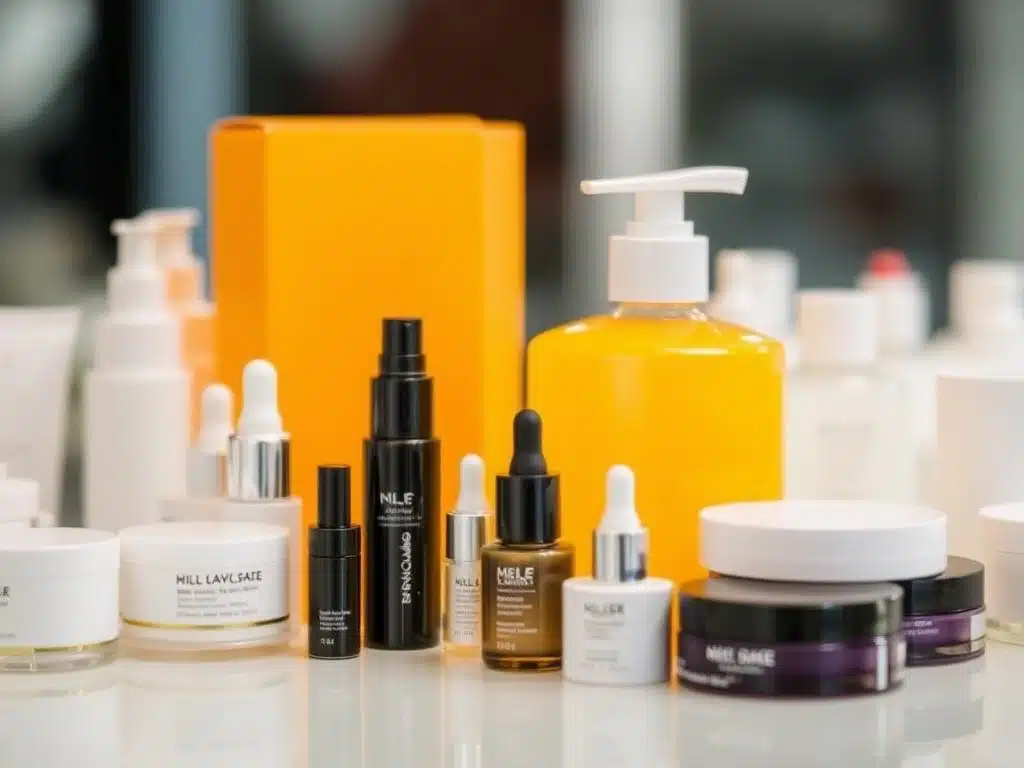
Finished product testing is the final stage of the quality control process. It involves conducting a comprehensive set of tests on the finished produit cosmétique to verify that it meets all relevant normes de qualité and specifications before it is released for distribution. Final product testing is crucial for ensuring the safety, efficacy, and overall qualité de la produit cosmétique. This is essential in order to assurer le respect des règles with regulations.
Finished product testing typically includes:
- Tests microbiologiques : This involves testing the product for the presence of microorganisms, such as bacteria, yeast, and mold. Produits cosmétiques must meet strict microbiological standards to garantir they are safe for consumer use and will not spoil during their shelf life.
- Test de stabilité : Stability testing assesses the product’s ability to maintain its intended physical, chemical, and microbiological quality under various storage conditions over time. This helps to determine the product’s shelf life and appropriate storage conditions. These tests help cosmétique companies assess the product’s qualité.
- Chemical Testing: This can involve testing the product’s pH, viscosity, density, and the concentration of active ingredients. It may also include tests for specific chemicals or contaminants that are regulated or of concern.
- Physical Testing: This involves evaluating the product’s appearance, color, odor, texture, and other physical characteristics to garantir they meet the desired normes de qualité.
- Essais de sécurité : Depending on the product type and intended use, safety essais may include assessments for irritation de la peau, sensitization, phototoxicity, and eye irritation. Testing ensures product safety.
- Performance Testing (Efficacy Testing): This involves evaluating the product’s ability to deliver its claimed benefits, such as moisturization, anti-aging effects, or sun protection. This type of essais may involve instrumental measurements, consumer perception studies, or clinical trials.
The specific tests required for a given produit cosmétique will depend on its formulation, intended use, and the regulatory requirements in the target market. Finished product testing provides a final verification that the produit cosmétique is safe, effective, and of high quality before it reaches the consumer. Cosmetic product testing is crucial to the industrie cosmétique. Product testing plays a key role in le contrôle de la qualité.
The Role of Documentation and Record-Keeping in Contrôle de la qualité
Documentation and record-keeping are fundamental aspects of an effective quality control system. They provide a written record of all activities related to the manufacturing and testing of cosmétique products, ensuring transparency, traceability, and accountability throughout the entire process. Proper documentation is not only a best practice but also a requirement of BPF et ISO 22716. Cosmetic quality control relies on thorough documentation.
Key documents and records in contrôle de la qualité des produits cosmétiques inclure :
- Standard Operating Procedures (SOPs): These are detailed, written instructions that describe how to perform specific tasks, such as operating equipment, conducting tests, cleaning and sanitizing, and handling materials.
- Batch Records: These records document the complete history of each batch of produit cosmétique manufactured, including information about the matières premières used, the manufacturing process, in-process controls, and any deviations that occurred.
- Testing Records: These records document the results of all tests performed on matières premières, in-process samples, and finished products. They should include the test method used, the results obtained, and the acceptance criteria.
- Spécifications : These documents define the normes de qualité que matières premières, packaging materials, and finished products must meet. They include detailed descriptions of the required characteristics and the acceptable limits for each parameter.
- Stability Protocols and Reports: These documents outline the procedures for conducting stability testing and record the results of these tests.
- Validation Protocols and Reports: These documents describe the procedures for validating processes, equipment, and test methods, and they record the results of these validation studies.
- Training Records: These records document the training received by each employee involved in manufacturing and le contrôle de la qualité activités.
- Audit Reports: These reports document the findings of internal and external audits de la gestion de la qualité system and manufacturing practices.
- Complaint Records: These records document any consumer complaints received regarding product qualité or safety, as well as the investigations conducted and corrective actions taken.
- Corrective and Preventive Action (CAPA) Records: These records document any deviations from established procedures or specifications, the investigations conducted to determine the root cause, and the corrective and preventive actions taken to address the issue and prevent recurrence.
Maintaining accurate and complete records is essential for demonstrating conformité avec BPF et ISO 22716, as well as for facilitating investigations into problèmes de qualité and supporting continuous improvement efforts. Proper documentation also helps to garantir the traceability of each produit cosmétique back to its matières premières, manufacturing history, and essais records. This is particularly important in the event of a product recall or a safety concern.
Challenges and the Future of Quality Control in Cosmetics
Les industrie cosmétique faces several challenges in maintaining stringent quality standards:
- Complex Supply Chains: Cosmétique products often contain ingredients sourced from around the world, making it challenging to garantir les qualité et sécurité de tous matières premières. Fabricants de produits cosmétiques must carefully manage their suppliers and implement robust essais programs to verify the qualité of incoming materials.
- Rapid Innovation: Les l'industrie cosmétique is characterized by rapid innovation, with new products and formulations constantly being developed. This can make it challenging to keep up with the latest les méthodes d'essai et normes de qualité.
- Evolving Regulations: Cosmétique regulations and standards are continuously evolving as new scientific information emerges and consumer expectations change. Entreprises de cosmétiques must stay informed about these changes and adapt their le contrôle de la qualité practices accordingly.
- Produits de contrefaçon : The proliferation of counterfeit cosmétique products poses a significant challenge to the industry. These products may not be subject to the same un contrôle de qualité rigoureux measures as legitimate products and can pose a risk to consumer safety. Quality control tests for cosmetics can help to identify counterfeit products.
- Les préoccupations en matière de développement durable : There is a growing demand for sustainable and eco-friendly cosmétique products, which can create challenges for le contrôle de la qualité. Manufacturers need to garantir that sustainable alternatives to traditional ingredients and packaging materials meet the same high-quality standards.
- Cost Pressures: Maintaining a robust quality control system can be costly, requiring investments in equipment, personnel, training, and testing. Fabricants de produits cosmétiques must balance the need for stringent quality control with the need to remain competitive in the marketplace.
Despite these challenges, the future of quality control in cosmetics is promising. Advances in technology, such as automation, data analytics, and artificial intelligence, are providing new tools for enhancing le contrôle de la qualité and improving efficiency. There is also a growing emphasis on collaboration and information sharing within the industry, which can help to raise the bar for cosmetic quality and safety globally. The industrie cosmétique is constantly working to improve its le contrôle de la qualité pratiques.
Meeting Consumer Expectations for Quality and Safety
Consumers are increasingly aware of the importance of quality and safety in cosmétique produits. They expect entreprises de cosmétiques to be transparent about their ingredients, manufacturing practices, and le contrôle de la qualité procedures. Social media and online reviews have given consumers a powerful voice, and they are not afraid to use it to express their opinions and concerns about cosmétique products. Many consumers are also seeking out brands that align with their values, such as those that are cruelty-free, vegan, or environmentally sustainable.
To meet these evolving consumer expectations, entreprises de cosmétiques must:
- Prioritize Quality and Safety: Quality control should be at the heart of every cosmétique company’s operations. Companies need to invest in robust gestion de la qualité systems, implement rigorous essais protocols, and adhere to BPF and relevant standards like ISO 22716.
- Be Transparent: Entreprises de cosmétiques should be transparent about their ingredients, sourcing practices, manufacturing processes, and le contrôle de la qualité procedures. This includes providing clear and accurate product labeling, as well as making information readily available to consumers through their websites and other communication channels.
- Engage with Consumers: Companies should actively engage with consumers, listen to their feedback, and address their concerns. This can help to build trust and loyalty. Social media can be a powerful tool for engaging with consumers and responding to their questions and concerns.
- Embrace Sustainability: Consumers are increasingly concerned about the environmental impact of their purchasing decisions. Entreprises de cosmétiques should strive to minimize their environmental footprint by using sustainable ingredients, reducing waste, and adopting eco-friendly packaging.
- Support Cruelty-Free Practices: Animal essais pour cosmétiques is a controversial issue, and many consumers are opposed to it. Entreprises de cosmétiques should support the development and use of alternative, non-animal les méthodes d'essai and seek out cruelty-free certifications.
- Continuously Improve: Quality control is an ongoing process that requires continuous improvement. Entreprises de cosmétiques should regularly review and update their le contrôle de la qualité procedures, invest in new technologies, and stay informed about the latest scientific research and regulatory developments.
By prioritizing qualité et la sécurité, embracing transparency, and engaging with consumers, entreprises de cosmétiques can build trust, enhance their brand reputation, and meet the evolving demands of today’s informed and discerning consumers. This is essential in today’s marché des cosmétiques.
The Role of Third-Party Testing and Certification
Nombreux entreprises de cosmétiques choose to work with independent, third-party laboratories for cosmetic product testing and certification. These labs specialize in conducting the various tests required to garantir les la sécurité et la qualité de cosmétique products, such as microbiological essais, stability testing, chemical analysis, and safety assessments. Using a third-party lab can offer several advantages, including:
- Expertise and Specialized Equipment: Third-party labs often have specialized expertise and equipment that may not be available in-house. This can be particularly important for smaller companies that may not have the resources to invest in their own testing facilities.
- Impartiality and Credibility: Independent testing labs can provide an unbiased assessment of a product’s qualité et la sécurité, which can enhance the credibility of the results. Essais results from a reputable third-party lab can carry more weight with regulators and consumers than in-house testing data.
- Compliance with Standards: Many third-party labs are accredited to international standards, such as ISO/IEC 17025, which provides a framework for ensuring the competence of testing and calibration laboratories. Using an accredited lab can help entreprises de cosmétiques demonstrate conformité with relevant regulations and standards.
- Cost-Effectiveness: For some companies, outsourcing testing to a third-party lab can be more cost-effective than investing in and maintaining their own testing equipment and personnel.
In addition to testing, some third-party organizations offer certification programs for cosmétique products, such as Certification ISO 22716 pour BPF compliance. Obtaining certification from a reputable organization can provide assurance to consumers and retailers that a cosmétique L'entreprise a mis en place un système gestion de la qualité system and adheres to stringent quality standards.

The Importance of Collaboration and Information Sharing
Collaboration and information sharing within the industrie cosmétique are essential for advancing le contrôle de la qualité practices and ensuring the safety of cosmetic products. Industry associations, such as the Personal Care Products Council (PCPC) in the United States and Cosmetics Europe in the European Union, play a vital role in bringing together fabricants de produits cosmétiques, suppliers, researchers, and regulators to share knowledge, develop meilleures pratiques, and address common challenges.
These organizations often develop guidelines, technical documents, and training programs to help entreprises de cosmétiques implement effective le contrôle de la qualité systems and comply with relevant regulations and standards. They also provide a forum for discussing emerging issues, such as new scientific findings, regulatory changes, and consumer concerns. The l'industrie cosmétique benefits greatly from such cooperation between different industry players.
In addition to industry associations, collaboration between entreprises de cosmétiques, academic researchers, and regulatory bodies is crucial for advancing the science of contrôle de la qualité des produits cosmétiques. Sharing research findings, developing new les méthodes d'essai, and working together to address safety concerns can help to improve the overall qualité et la sécurité de cosmétique products globally. This type of cooperation is important to ensure their products meet the necessary qualité and safety standards.
A Look at Specific Tests
Les industrie cosmétique utilizes a wide array of tests to ensure product qualité, safety and conformité. Here is a look at some specific tests.
Type de test Objectif Méthodes Tests microbiologiques To detect and quantify microorganisms (bacteria, yeast, mold) in the product and ensure it is free from harmful pathogens. Plate counts, membrane filtration, enrichment cultures, microbial identification techniques Test de stabilité To assess the product’s ability to maintain its physical, chemical, and microbiological quality under various storage conditions over time. Real-time stability testing (storing product at recommended conditions), accelerated stability testing (storing product at elevated temperatures and/or humidity), freeze-thaw testing Preservative Efficacy Testing To evaluate the effectiveness of the preservative system in preventing microbial growth during the product’s shelf life and use. Inoculating the product with a known concentration of microorganisms and monitoring their growth over time (challenge test) Chemical Testing To verify the identity, purity, and concentration of ingredients, determine pH, viscosity, and other chemical properties. Chromatography (HPLC, GC), spectroscopy (UV-Vis, IR, NMR), titration, pH measurement, viscometry Physical Testing To evaluate the product’s appearance, color, odor, texture, density, and other physical characteristics. Visual inspection, colorimetry, texture analysis, density measurement, sensory evaluation Safety Testing To assess the product’s potential to cause skin irritation, sensitization, phototoxicity, and eye irritation. In vitro tests (using cell cultures or reconstructed human tissues), in vivo tests (on human volunteers under controlled conditions), patch testing, repeated insult patch test (RIPT) Performance Testing To evaluate the product’s efficacy in delivering its claimed benefits (e.g., moisturization, anti-aging, sun protection). Instrumental measurements (e.g., skin hydration, elasticity), consumer perception studies, clinical trials Heavy Metal Testing To ensure the product does not contain harmful levels of heavy metals (e.g., lead, mercury, arsenic, cadmium). Atomic absorption spectroscopy (AAS), inductively coupled plasma mass spectrometry (ICP-MS) Allergen Testing To identify and quantify the presence of known allergens in the product. Enzyme-linked immunosorbent assay (ELISA), gas chromatography-mass spectrometry (GC-MS) This table provides a glimpse into the diverse array of tests conducted in contrôle de la qualité des produits cosmétiques. The specific tests required for a given product will depend on its formulation, intended use, and the regulatory requirements of the target market.
L'avenir de la Quality Control in Cosmetics
Le domaine de la quality control in cosmetics is continuously evolving, driven by advancements in science and technology, new regulations, and changing consumer expectations. Some key trends that are likely to shape the future of contrôle de la qualité des produits cosmétiques inclure :
- Automation and Digitalization: Automation and digitalization are playing an increasingly important role in fabrication de produits cosmétiques et le contrôle de la qualité. Automated systems can help to improve efficiency, reduce human error, and enhance the consistency of la qualité des produits. Digital technologies, such as laboratory information management systems (LIMS) and electronic batch records, can streamline data management and improve traceability. These systems also help to assurer le respect des règles with regulations.
- Real-Time Monitoring and Control: Advances in sensor technology and data analytics are enabling real-time monitoring and control of critical process parameters during fabrication de produits cosmétiques. This allows for immediate adjustments to be made to maintain la qualité des produits and prevent deviations. Real-time monitoring can also help to optimize processes and reduce waste.
- Rapid Testing Methods: There is a growing need for rapid les méthodes d'essai that can provide faster results without compromising accuracy. This is particularly important for microbiological essais, where traditional methods can take several days to complete. Rapid methods, such as ATP bioluminescence and rapid PCR, can significantly reduce testing time. Cosmetic testing est en constante évolution.
- Cosmétique personnalisée : La tendance à la personnalisation cosmétiques is creating new challenges for le contrôle de la qualité. Manufacturers need to develop flexible manufacturing processes that can accommodate small batch sizes and customized formulations while maintaining la qualité des produits et la sécurité.
- Durabilité : Le développement durable devient une considération de plus en plus importante dans le domaine de l'éducation. industrie cosmétique. This includes the use of sustainable matières premières, reducing energy and water consumption during manufacturing, minimizing waste generation, and using eco-friendly packaging materials. Quality control will need to adapt to these changing priorities.
- Transparence accrue : Les consommateurs exigent une plus grande transparence de la part des entreprises de cosmétiques regarding their ingredients, manufacturing practices, and le contrôle de la qualité procedures. Companies will need to provide more information to consumers and be prepared to answer their questions about la qualité des produits et la sécurité.
- Global Harmonization of Standards: Des efforts sont en cours pour harmoniser cosmétique regulations and standards globally. This will simplify conformité pour les entreprises opérant sur plusieurs marchés et contribuent à garantir cohérent la qualité des produits et la sécurité worldwide.
Les industrie cosmétique is embracing these trends to enhance la qualité des produits, improve efficiency, and meet the evolving expectations of regulators and consumers. The future of quality control in cosmetics will likely involve a combination of advanced technologies, data-driven decision-making, and a continued focus on sécurité des produits and sustainability. The quality control tests for cosmetics will need to evolve along with the industry.
Ce qu'il faut retenir :
- Quality control is a systematic process used to garantir que produits cosmétiques meet defined normes de qualité and are safe for consumer use.
- Bonnes pratiques de fabrication (BPF) provide a framework for le contrôle de la qualité en fabrication de produits cosmétiques, covering all aspects of production, from matière première sourcing to finished product distribution.
- Les Norme ISO 22716 is an international standard that provides BPF guidelines specifically for the industrie cosmétique.
- Cosmetic product testing is a critical component of le contrôle de la qualité, involving a wide range of tests to assess sécurité des produits, qualité, l'efficacitéet conformité with regulations.
- Obtaining ISO 22716 certification demonstrates a cosmétique company’s commitment to qualité et BPF, but it requires significant investment and ongoing effort.
- Mise en œuvre BPF et ISO 22716 can offer benefits such as enhanced la qualité des produits et la sécurité, increased consumer confidence, improved operational efficiency, better regulatory conformité, and a competitive advantage.
- Maintien cosmetic quality standards can be challenging due to complex supply chains, rapid innovation, evolving regulations, counterfeit products, sustainability concerns, and cost pressures.
- Consumers are increasingly demanding de haute qualité, safe, and ethically produced cosmétiques, and they expect transparency from entreprises de cosmétiques regarding their ingredients and practices.
- Third-party testing and certification can provide expertise, impartiality, and credibility in assessing cosmetic quality et la sécurité.
- Collaboration and information sharing within the industrie cosmétique are essential for advancing le contrôle de la qualité practices and ensuring the safety of cosmetic products. Les crucial role of quality. control cannot be overstated.
Les huiles capillaires sont-elles bonnes ou mauvaises ?
Vous cherchez la meilleure huile capillaire pour transformer votre chevelure ? Cet article se penche sur les huiles capillaires et tente de déterminer si elles sont bonnes ou mauvaises pour vos cheveux.
Top 10 des marques de produits de beauté en Russie
Le marché russe de la beauté est un mélange fascinant de secrets de beauté traditionnels, d'influences internationales et d'une importance croissante accordée aux ingrédients naturels et biologiques.

Qu'est-ce que la laque pour cheveux enlève ?
Vous êtes-vous déjà demandé si la laque faisait plus que maintenir votre coiffure en place ?

L'épilation au laser est-elle permanente ? La vérité sur la peau lisse
Se raser fait mal.
L'épilation à la cire coûte trop cher.
Et les poils continuent de revenir.
À quoi sert la mousse de bain ?
Vous êtes-vous déjà demandé à quoi sert la mousse de bain et comment elle peut améliorer votre routine de douche ?
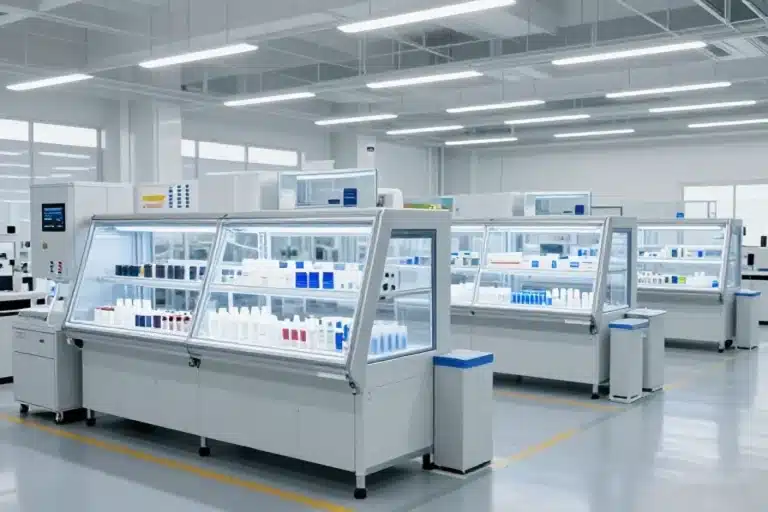
Comment choisir un fabricant cosmétique OEM fiable en Chine ?
Comment choisir un bon fabricant de maquillage en Chine : un guide pour vous.
Vous avez une idée.
Une nouvelle crème pour le visage. Un nouveau spray pour les cheveux. Une nouvelle couleur d'ongles.
Comment enlever la teinture capillaire de la peau : le seul guide dont vous avez besoin
Imaginez ceci.
Vous venez de teindre vos cheveux. Vous avez utilisé une nouvelle couleur. Ça a l'air génial. Vos cheveux brillent. Vous vous sentez heureux. Vous vous sentez comme une nouvelle personne.

À quelle fréquence devriez-vous laver vos cheveux ? Le guide ultime
Le réveil sonne.
Vous vous réveillez. Vous vous étirez. Vous marchez vers le miroir.
Vous regardez vos cheveux.
 EN
EN  DE
DE  RU
RU  ES
ES  KO
KO  FR
FR  JA
JA