
Unlocking the Secrets of Hold: What is the Main Ingredient in Hair Spray?
Laque pour cheveux is a staple in many soins capillaires routines, providing the finishing touch to countless coiffures. But have you ever wondered what makes this pulvériser so effective at keeping your cheveux en place? This article delves into the fascinating world of laque, exploring its key ingredients and how they work together to create that perfect hold. Whether you’re a seasoned laque user or simply curious about the science behind this ubiquitous le stylisme product, this comprehensive guide will provide you with a deeper understanding of what’s in the flacon pulvérisateur and how it all works. We’ll explore the role of polymers, solvantset propulseurs en aérosol et non aérosol formulas, and address common préoccupations environnementales associated with these products.
What is Hairspray and How Does it Work?
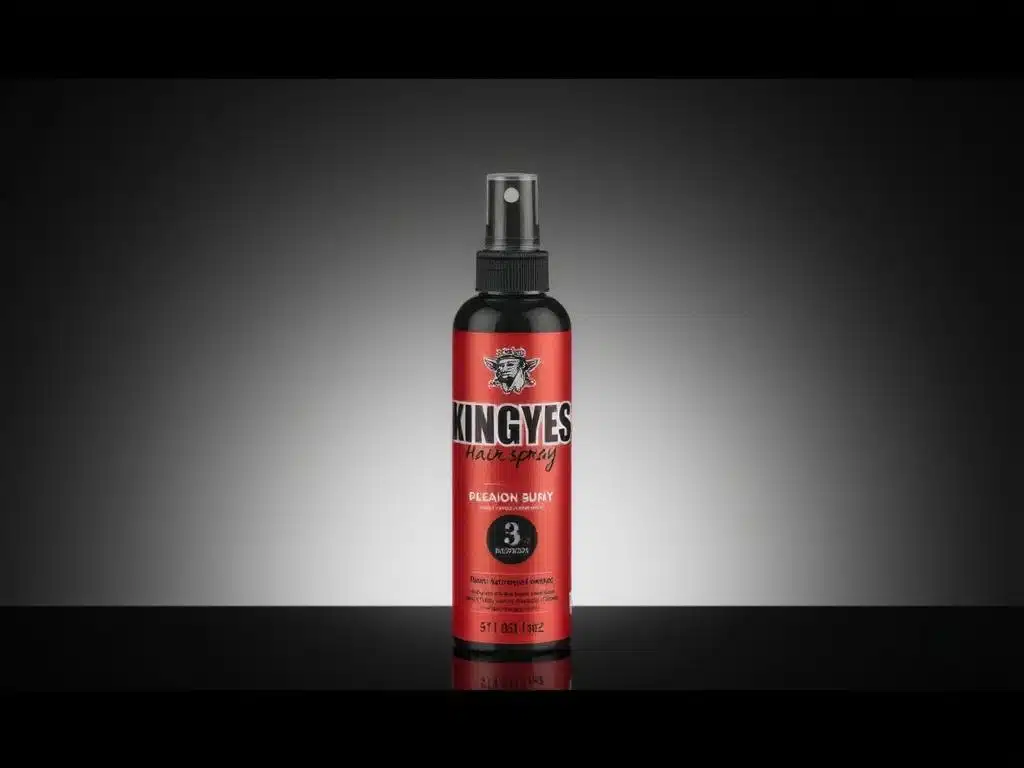
Laque pour cheveux est un cosmétique product designed to hold cheveux en place and maintain a desired style. It works by forming a thin, often invisible, film around the mèches de cheveux, creating a bond that holds them together. This film can be flexible or stiff, depending on the formulation de la laque. Laque pour cheveux is commonly used to add volume, control frizz, and keep coiffures intact throughout the day, even in humid conditions. There are many types of laque that cater to different needs, from providing a light, flexible hold to creating a strong, unmovable style.
Laques pour cheveux come in two main types: aérosol et non aérosol. Aerosol hairsprays utiliser un propulseur to dispense the product as a brouillard fin. Non-aerosol hairsprays typically come in pump sprays and are dispensed as a slightly coarser pulvériser. The choice between aérosol et non aérosol often comes down to personal preference, but there are some differences in how they work and their environmental impact. The ingredients used in laques are specifically chosen to allow the product to hold hair in place and maintain the desired look.
Polymers: The Foundation of Hairspray’s Hold
Polymères are the primary ingredients responsible for hairspray’s holding power. These large molecules, also known as resins, form a film around the mèches de cheveux when the pulvériser dries. This film creates an invisible net that holds the cheveux en place, preventing it from moving or falling out of style. Some common polymers used in hairsprays inclure :
- Polyvinylpyrrolidone (PVP): This was one of the first polymers utilisé dans laques. PVP provides a strong hold but can be stiff and sticky, especially in humid weather.
- Polyvinyl Acetate (PVA): PVA is often used in combination with PVP to create a more flexible hold. It is less susceptible to humidity than PVP seul.
- Copolymers: Il s'agit de polymers made up of two or more different monomers. Common copolymers utilisé dans cheveux vaporisateurs inclure PVP/VA, which combines the benefits of both PVP et VA. Another common copolymer is VA/crotonates/vinyl neodecanoate copolymer.
The specific type and concentration of polymer used in a laque will determine the strength of the hold and the flexibility of the cheveux. Laques pour cheveux with a higher concentration of polymers will generally provide a stronger hold but may also feel stiffer. The polymers are what give laque the ability to keep it in place. Ils create an invisible bond between the poils, holding them in the desired style.
Solvents: Dissolving the Polymers and Creating the Spray
Solvants are essential ingredients in laque because they dissolve the polymers, allowing them to be evenly distributed throughout the cheveux. Without solvants, le polymers would clump together and be impossible to apply as a pulvériser. The most common solvent used in hairsprays est alcohol, specifically ethanol or denatured alcohol. Alcohol is an effective solvent pour beaucoup polymers, and it evaporates quickly, allowing the laque to dry fast. Solvants can also help to reduce the viscosity of the formulation, making it easier to pulvériser.
In addition to alcohol, other solvants may be used in laque, such as water or hydrocarbon-based solvants. The choice of solvent will depend on the specific polymers used in the formulation and the desired properties of the laque. Water-based laques sont souvent plus doux pour les cheveux but may take longer to dry. The solvants are crucial to the laque’s ability to work effectively and to achieve the desired results. The solvent allows the pulvériser to be applied as a brouillard fin, which evenly coats the mèches de cheveux.
Propellants: Powering the Aerosol Spray
Propergols are the ingredients that power aérosol laques. They are liquified gases that are stored under pressure in the aérosol can. When the buse of the can is pressed, the propulseur is released, carrying the laque formulation with it as a brouillard fin. Historically, chlorofluorocarbons (CFC) ont été utilisés comme propulseurs en aérosol products, but they were phased out due to their harmful effects on the couche d'ozone. Today, the most common propulseurs used in hairsprays sont hydrocarbures, such as:
- Butane
- Propane
- Isobutane
- Dimethyl ether
Ces hydrocarbon propellants are less damaging to the couche d'ozone que CFC, but they are still flammable and contribute to air pollution. Propergols are essential to the function of aerosol hairsprays, but they are also the source of many préoccupations environnementales associated with these products. Propergols help to propel the product out of the can and onto the cheveux. Hydrocarbon propellants replaced CFC when the harmful nature of CFCs was discovered.
The Role of Additives in Hairspray Formulations
In addition to polymers, solvantset propulseurs, laques often contain a variety of additives that enhance their performance, improve their feel on the cheveux, or add parfum. These additives can include:
- Plasticizers: These ingredients add flexibility to the polymer film, preventing it from becoming too stiff or brittle. Common plasticizers inclure silicone derivatives, such as dimethicone, and various types of ester.
- Conditioning agents: These ingredients help to soothe and soften the cheveux, counteracting the drying effects of the alcohol et polymers. Examples include jojoba huile, argan oil, and vitamine E.
- Neutralizers: These ingredients, such as aminomethyl propanol, help to neutralize the acidity of some polymers, making the laque gentler on the cheveux.
- UV Filters: These ingredients help to protect the cheveux from damage caused by the sun’s ultraviolet rays.
- Parfums : These are added to give the laque a pleasant scent.
Les rest of the ingredients are considered additives and are included to enhance the performance of the laque. Many of these additives are included to counteract potential negative effects of the main ingredients. For example, alcohol can be drying, so conditioning agents are added to keep the cheveux moisturized. The specific additives used in a laque will vary depending on the brand and the intended use of the product. Some laques sont formulés pour provide a strong hold, while others are designed to add shine and moisture.
Aerosol vs. Non-Aerosol Hairsprays: What’s the Difference?
Laques pour cheveux come in two main types: aérosol et non aérosol. The primary difference between these two types lies in how they are dispensed:
| Fonctionnalité | Aerosol Hairspray | Non-Aerosol Hairspray |
|---|---|---|
| Dispensing | Uses a propellant to create a fine mist | Typically dispensed via a pump mechanism |
| Spray Pattern | Fine, even mist | Slightly coarser spray, may be less even |
| Temps de séchage | Generally dries faster due to the fine mist and the rapid evaporation of propellants | May take longer to dry |
| Tenir | Can offer a range of holds, from flexible to strong | Can also offer a range of holds, but may feel slightly heavier on the hair |
| Impact sur l'environnement | Propellants can contribute to air pollution, although less so than in the past | Generally considered more environmentally friendly than aerosols |
| Ingrédients | Contains propellants, polymers, solvents, and additives | Contains polymers, solvents (often water-based), and additives |
Aérosol laques are known for their fine, even pulvériser pattern, which allows for a more controlled application and a lighter feel on the cheveux. Les propulseurs utilisé dans aérosol vaporisateurs also help the product to dry faster. However, aerosol hairsprays have been the subject of préoccupations environnementales due to the propellants. Aerosol hairsprays are often preferred by those who want a light, even application and a fast-drying formulation. Many people prefer the aerosol spray because they do not want to get their hands sticky.
Non-aerosol hairsprays, on the other hand, are generally considered to be more environmentally friendly because they don’t use propulseurs. They typically come in pump spray bottles and dispense a slightly coarser pulvériser. Non-aerosol hairsprays may take longer to dry than aérosol vaporisateurs, and they may feel slightly heavier on the cheveux. However, they can still provide a range of holds, from flexible to strong. The choice between aérosol et non aérosol often comes down to personal preference.
Environmental and Health Concerns Associated with Hairspray
Laque pour cheveux, en particulier aerosol hairspray, has been associated with several environmental and health concerns:
- Pollution atmosphérique : Les hydrocarbon propellants utilisé dans aerosol hairsprays contribute to air pollution by releasing volatile organic compounds (VOCs) into the atmosphere. VOCs can react with other pollutants to form ground-level ozone, which is a major component of smog.
- Appauvrissement de la couche d'ozone : While modern aerosol hairsprays no longer use CFC, which were known to deplete the couche d'ozone, some propulseurs may still have a minor impact on the l'ozone. Préoccupations environnementales have pushed many manufacturers to develop more environmentally friendly laques.
- Risques d'inhalation : Inhaling laque can irritate the lungs and may cause coughing, wheezing, or shortness of breath. Inhalation of large amounts of laque can be harmful and may lead to more serious health problems. If you experience these symptoms, you can call poison control à 1-800-222-1222.
- Inflammabilité : Aerosol hairsprays are flammable due to the propulseurs they contain. It’s essential to use them in a well-ventilated area and keep them away from heat sources or open flames.
- Skin and Eye Irritation: Laque pour cheveux can irritate the skin and eyes, especially if it comes into direct contact with these areas.
- Vinyl Chloride Exposure: In the past, some aerosol hairsprays utilisé vinyl chloride en tant que propulseur. Vinyl chloride is a known human carcinogen, and its use in cosmétique products has been banned. However, it is essential to be aware of the potential risks associated with older aerosol products.
It is important to use laque as directed and to take precautions to minimize exposure to the pulvériser. If you have concerns about the environmental or health impacts of laque, consider using a non aérosol product or exploring alternative produits de coiffage. It is important to be aware of the potential risks associated with laque use.
Choosing the Right Hairspray for Your Hair Type and Style
Avec tant de laques on the market, choosing the right one for your cheveux type and desired style can be overwhelming. Here are some tips to help you make the right choice:
Type de cheveux :
- Cheveux fins : Look for a lightweight laque that provides volume and hold without weighing your cheveux vers le bas.
- Cheveux épais : Choisir un laque with a stronger hold to keep your style en place.
- Cheveux bouclés : Opt for a laque that enhances curls and controls frizz without making your cheveux stiff or crunchy.
- Cheveux colorés : Sélectionner un laque that is formulated for color-treated cheveux to help protect your color and prevent fading.
Desired Style:
- Flexible Hold: If you want a natural, touchable style that allows for movement, choose a laque with a flexible hold.
- Strong Hold: If you need your style to stay put all day, especially in humid conditionsopter pour un laque with a strong or extra-strong hold.
- Volumizing: If you want to add volume to your cheveux, look for a volumizing laque that provides lift at the roots.
- Shine-Enhancing: If you want to add briller à votre cheveuxchoisir un laque that is formulated to boost briller.
Application Preference:
- Aérosol: If you prefer a fine, even mist and a fast-drying formula, choose an aerosol hairspray.
- Non-Aerosol: If you prefer a slightly coarser pulvériser and a more environmentally friendly option, opt for a non-aerosol hairspray.
It may take some experimentation to find the perfect laque for your needs. Don’t be afraid to try different brands and formulations until you find one that works best for you. You can also ask your hairdresser for recommendations. The hairspray ingredients will vary depending on the brand and the intended use.
A Brief History of Hairspray: From Early Formulas to Modern Innovations
The concept of using a pulvériser to hold cheveux en place dates back to ancient civilizations, but modern laque as we know it today was developed in the mid-20th century. Here’s a brief overview of its evolution:
- Early 1900s: Hair lacquers were used, typically applied with a brush. These were often shellac-based and quite stiff.
- 1940s: The first aérosol laque was invented, using CFC comme propulseurs. The invention of the aérosol can revolutionized the soins capillaires industry, making it possible to dispense a variety of products, including laque, as a fine mist. The first polymers were also used in this period.
- 1950s: Laque pour cheveux became a staple in many households, used to create and maintain the elaborate coiffures of the era, such as beehives and bouffants. Laque pour cheveux became synonymous with the glamour and fashion of the time.
- 1970s: Concerns about the environmental impact of CFC led to their ban in many countries. The laque industry had to reformulate their products, using alternative propulseurs comme hydrocarbures.
- 1980s-Present: Laque pour cheveux formulations continued to evolve, with the development of new polymers, solvants, and additives to provide a wider range of holds, finishes, and benefits. Non-aerosol laques also gained popularity.
The history of laque is a story of innovation and adaptation, driven by both fashion trends and scientific advancements. The first laques were very different from the products on the market today.
The Future of Hairspray: What’s Next for This Styling Staple?
Les laque industry continues to evolve, with ongoing research and development focused on creating more effective, environmentally friendly, and user-friendly products. Some potential future trends in laque inclure :
- Sustainable Formulas: We can expect to see more laques that use sustainable and biodegradable ingredients, as well as more eco-friendly packaging.
- Produits multifonctionnels : Laques pour cheveux that offer multiple benefits, such as heat protection, UV protection, and color protection, are likely to become more popular. These laques will need to contain des ingrédients tels que UV filters to provide this protection.
- Advanced Polymers: Research into new polymers that provide stronger, longer-lasting hold without stiffness or stickiness is ongoing.
- Water-Based Formulas: Non-aerosol laques that use water-based formulations are likely to continue to gain popularity, as they are often gentler on the cheveux and the environment.
- Smart Hairsprays: In the future, we may even see “smart” laques that can sense the hair’s needs and adjust their hold and other properties accordingly.
- Personalized Formulas: Personnalisable laques that can be tailored to individual cheveux types and le stylisme needs may become a reality.
L'avenir de la laque is likely to be shaped by a combination of factors, including consumer demand, technological advancements, and préoccupations environnementales. Les laque of the future may be very different from the products we use today.
Ce qu'il faut retenir :
- Laque pour cheveux est un cosmétique product designed to hold cheveux en place and maintain a desired style.
- Polymères are the main ingredients responsible for hairspray’s hold. Common polymers inclure PVP, PVA, and various copolymers.
- Solvants, tels que alcohol, dissolve the polymers and allow the laque to be applied as a pulvériser.
- Propergols, tels que butane, propaneet dimethyl ether, are used in aerosol hairsprays to dispense the product as a brouillard fin.
- Additives like plasticizers, conditioning agentset parfum enhance the performance and feel of laque.
- Aerosol hairsprays utiliser propulseurs to create a fine mist, while non-aerosol hairsprays typically use a pump mechanism.
- Laque pour cheveux has been associated with environmental concerns, such as air pollution and l'ozone depletion, as well as health concerns, such as inhalation risks.
- Choisir le bon laque dépend de votre cheveux type, desired style, and application preference.
- The history of laque dates back to the mid-20th century, with the invention of the aérosol can and the use of CFC comme propulseurs.
- L'avenir de la laque may include more sustainable formulas, multifunctional products, advanced polymers, and even personalized formulations.
Comment vendre des cosmétiques sur WeChat ?
Êtes-vous prêt à exploiter le plus grand marché de la beauté au monde ?
Quand dois-je utiliser une mousse capillaire ?
Vous êtes-vous déjà demandé quand il fallait sortir la boîte de mousse pour rehausser votre coiffure ?
Quels sont les dommages causés par la teinture permanente ?
Vous êtes curieux de savoir dans quelle mesure une teinture permanente peut affecter la santé de vos cheveux ?
Quelle est la norme de qualité pour les cosmétiques ?
Sur le marché des cosmétiques, qui évolue rapidement, il est primordial de garantir la qualité des produits et la sécurité des consommateurs.
Quelle est la règle en matière de coloration ?
Il est essentiel de comprendre les règles fondamentales de la coloration pour obtenir des résultats professionnels, que vous soyez bricoleur ou professionnel.
Comment choisir un fabricant cosmétique OEM fiable en Chine ?
Comment choisir un bon fabricant de maquillage en Chine : un guide pour vous.
Vous avez une idée.
Une nouvelle crème pour le visage. Un nouveau spray pour les cheveux. Une nouvelle couleur d'ongles.
Comment enlever la teinture capillaire de la peau : le seul guide dont vous avez besoin
Imaginez ceci.
Vous venez de teindre vos cheveux. Vous avez utilisé une nouvelle couleur. Ça a l'air génial. Vos cheveux brillent. Vous vous sentez heureux. Vous vous sentez comme une nouvelle personne.
À quelle fréquence devriez-vous laver vos cheveux ? Le guide ultime
Le réveil sonne.
Vous vous réveillez. Vous vous étirez. Vous marchez vers le miroir.
Vous regardez vos cheveux.
 EN
EN  DE
DE  RU
RU  ES
ES  KO
KO  FR
FR  JA
JA