

The Ultimate Guide to Zero Waste Cosmetics: Creating a Plastic-Free Beauty Routine
The beauty industry is notorious for its excessive use of plastique l'emballage, contributing significantly to plastic pollution and overflowing landfills. But a growing movement is challenging the status quo: zero waste beauty. Cette ultimate guide dives deep into the world of zéro déchet cosmétiques, exploring what it means, why it matters, and how you can embrace zero waste makeup, soins de la peau, and more. We’ll uncover écologique marques de maquillage, innovative l'emballage solutions, and practical tips to help you create a durable beauty routine. Discover how circular beauty can transform your beauty regimen and help you create less waste et significantly reduce votre l'impact sur l'environnement.
What are Zero Waste Cosmetics?
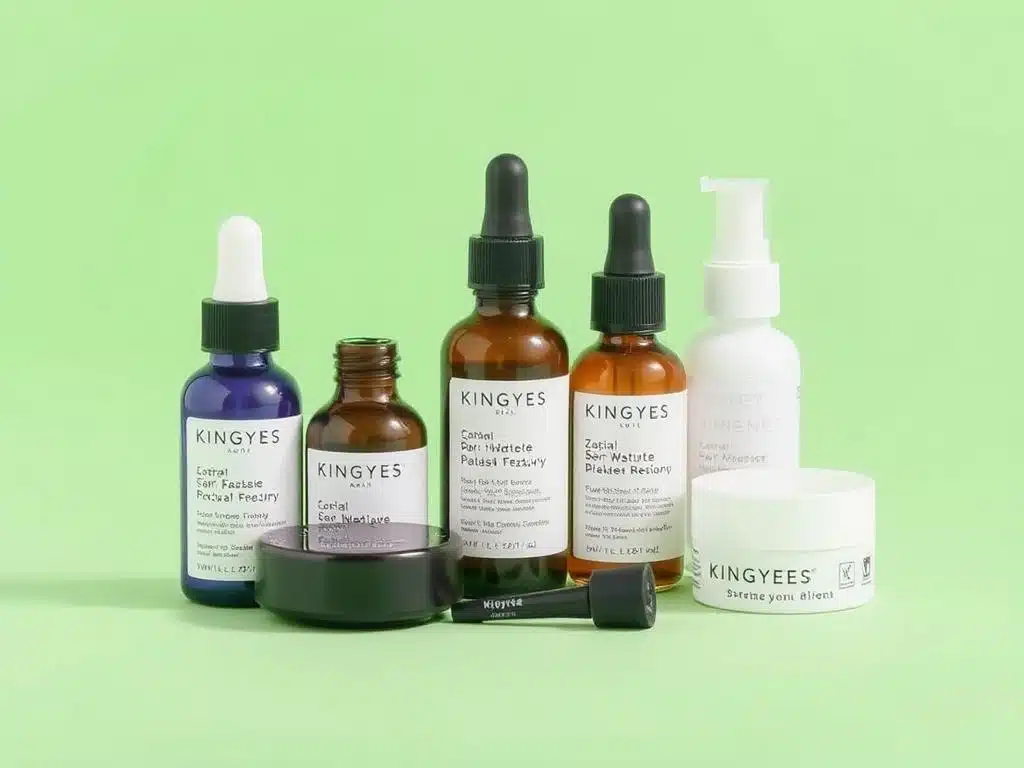
Zero waste cosmétiques are beauty products that are designed to generate minimal or no waste throughout their entire lifecycle, from formulation and manufacturing to l'emballage, use, and disposal. The concept of zero waste aims to eliminate waste sent to landfills and incinerators, instead focusing on reducing consumption, reusing materials, recycleing, and composting. Zero waste can help to reduce plastic pollution. This can be achieved through innovative formulation, l'emballage, and distribution methods. It is a great way to reduce your carbon footprint.
In the context of cosmétiques, zéro déchet means using products that are packaged in réutilisable, rechargeable, recyclableou compostable materials. It also involves choosing products with minimal or no l'emballage whenever possible. Zero waste cosmétique products are also formulated with ingredients that are durable and ethically sourced, avoiding harmful chemicals that can pollute the environment. Many zéro déchet products are made with ingrédients naturels. Les zero waste movement is gaining popularity.
Why is Zero Waste Important in the Beauty Industry?
Les industrie de la beauté is a significant contributor to plastic waste and pollution. Many products are packaged in single-use plastique containers that are difficult to recycle and often ends up in landfills or the ocean. The industry’s reliance on plastique l'emballage has a substantial l'impact sur l'environnement. Zero waste is important in the industrie de la beauté because it addresses several critical environmental issues:
- Plastic Pollution: Plastique l'emballage de cosmetics and personal care products is a major source of plastic pollution. Zero waste alternatives help to reduce this pollution.
- Resource Depletion: The production of traditional cosmétique l'emballage often relies on non-renewable resources like fossil fuels. Zero waste options can help to conserve these resources. The production of plastique is resource-intensive.
- Landfill Waste: Much of the l'emballage used in the industrie de la beauté ends up in landfills, where it can take hundreds of years to decompose, if at all. Zero waste products aim to minimize landfill waste.
- Chemical Contamination: Certains cosmétique ingrédients et l'emballage materials can leach harmful chemicals into the environment. Zero waste products often use safer, more durable ingrédients.
- Carbon Footprint: Les industrie de la beauté a un rôle important à jouer dans la mise en œuvre de la politique de l'UE en matière d'environnement. carbon footprint due to manufacturing, transportation, and packaging. Zero waste practices can help to reduce this footprint.
En adoptant zéro déchet principles, the industrie de la beauté can minimize its l'impact sur l'environnement and contribute to a more durable future. Many beauty and personal care products can be replaced with zéro déchet alternatives. The industrie de la beauté is becoming more aware of its l'impact sur l'environnement. Les zéro déchet philosophy can be applied to produits de soins capillaires et gel douche.
What’s the Difference Between Zero Waste, Low Waste, and Circular Beauty?
While the terms zéro déchet, low wasteet circular beauty are often used interchangeably, there are some subtle differences:
- Zero Waste: Zero waste is an ambitious goal that aims to eliminate waste sent to landfills and incinerators entirely. In the context of cosmétiques, it means using products with no l'emballage ou l'emballage that can be reused, refilled, recycled, or composted. It is about creating a system where no waste products are produced.
- Low Waste: Low waste is a more flexible approach that focuses on reducing waste as much as possible. It acknowledges that creating absolutely zéro déchet can be challenging, but emphasizes making conscious choices to minimize waste. This is a great starting point for those new to the zéro déchet concept.
- Beauté circulaire : Circular beauty is a broader concept that encompasses zéro déchet principles but also considers the entire lifecycle of a product. It emphasizes designing products that can be reused, recycled, or repurposed, keeping materials in use for as long as possible. It’s about creating a closed-loop system where resources are continuously cycled. Circular beauty is gaining popularity.
| Term | Définition | Focus | Goal |
|---|---|---|---|
| Zero Waste | A philosophy and set of practices aimed at eliminating waste sent to landfills and incinerators. | Reducing consumption, reusing, recycling, composting. | Eliminate waste entirely. |
| Low Waste | An approach that focuses on reducing waste as much as possible, acknowledging that zero waste may be difficult to achieve. | Making conscious choices to minimize waste, even if some waste is still generated. | Significantly reduce waste. |
| Circular Beauty | A holistic approach that considers the entire lifecycle of a product, emphasizing reuse, recycling, and repurposing of materials. | Designing products for longevity, reuse, and recyclability; creating closed-loop systems where resources are continuously cycled. | Create a circular economy where resources are kept in use for as long as possible. |
Here is a table that outlines the key differences between these three concepts:
How to Identify Truly Zero Waste Beauty Products
With the growing popularity of zéro déchet et beauté durable, it’s important to be able to identify products that are truly aligned with these principles. Here’s what to look for:
- Emballage : Look for products with minimal or no l'emballage. If there is l'emballage, it should be réutilisable, rechargeable, recyclableou compostable. Avoid products packaged in single-use plastic.
- Ingrédients : Zero waste products typically use ingrédients naturels qui sont durablement sourced and biodegradable. Avoid products with harmful chemicals.
- Brand Transparency: Choose brands that are transparent about their ingredients, l'emballage, and manufacturing processes. Look for information on their website about their la durabilité pratiques.
- Certifications : While not foolproof, certifications like USDA Organic, Ecocert, B Corp, and Leaping Bunny can indicate a brand’s commitment to la durabilité and ethical practices.
- Refill Options: Look for brands that offer recharge options for their products, allowing you to reuse the original container. This is a great way to reduce waste.
- Solid Products: Consider solid cosmétique products, like shampoo bars, conditioner bars, and lotion bars, which often come with minimal or no l'emballage.
- Read Reviews: Always check for reviews on zero waste beauty products.
By carefully considering these factors, you can identify zero waste beauty products that align with your values and help you reduce your l'impact sur l'environnement. It is important to find products that work for you.
Zero Waste Packaging: Innovations and Solutions
Emballage is a crucial aspect of zero waste cosmetics. Innovative l'emballage solutions are emerging to address the beauty industry’s reliance on plastique and single-use containers. Here are some examples:
- Emballage rechargeable : Brands are increasingly offering rechargeable options for products like rouge à lèvres, foundation, and lotion. Customers can purchase a recharge product, often at a lower cost, and reuse their original container. This dramatically reduces packaging waste.
- Récipients réutilisables : Some brands are using durable, réutilisable containers made from materials like glass or metal. These containers are designed to be refilled and reused multiple times.
- Compostable Packaging: Emballage fabriqué à partir de compostable materials, such as bamboo, sugarcane, or mushroom packaging, can be composted at home or in industrial composting facilities. This is an innovative solution.
- Biodegradable Packaging: Emballage made from materials that can break down naturally over time, such as plant-based plastics or paper, can reduce landfill waste. However, it is important to ensure that these materials are truly biodegradable under realistic conditions.
- Water-Soluble Packaging: Some brands are using innovative water-soluble l'emballage made from materials like polyvinyl alcohol (PVOH), which dissolves in water.
- Solid Products: As mentioned before, solid cosmétique products like bars often require minimal or no l'emballage. Il s'agit d'un excellent zéro déchet option.
- Emballage minimaliste : Nombreux zéro déchet brands are opting for minimalist l'emballage designs, reducing the overall amount of material used. This can include using smaller containers, eliminating unnecessary boxes or wrappers, and using l'emballage made from recycled materials.
These innovative l'emballage solutions are helping to drive the zéro déchet movement in the industrie de la beauté. Des marques comme Elate Cosmétiques are using innovative l'emballage solutions.
Zero Waste Makeup: Brands Leading the Way
Zero waste makeup is gaining traction, with several brands offering innovative products and l'emballage solutions. Here are some examples:
- Elate Cosmetics: Elate Cosmétiques is a Canadian brand that is often considered the first zero waste makeup brand. They offer a range of produits de maquillage packaged in bamboo containers and seed paper, which can be planted to grow wildflowers. They also offer refills for many of their products.
- Kjaer Weis: This luxury brand offers rechargeable produits de maquillage in sleek, metal compacts. Their products are made with certified organic ingredients.
- RMS Beauty : Known for its minimalist approach, RMS Beauty utilise réutilisable glass and metal containers for its produits de maquillage. They also prioritize using organic and food-grade ingredients.
- Zao Organic Makeup: This brand uses bamboo l'emballage for its produits de maquillage and offers refills for many items. They are certified organic and vegan.
- Axiology: Spécialisé dans rouge à lèvres and lip crayons, Axiology uses plastic free packaging made from recycled paper and offers a recycling program for their tubes.
Ces marques de maquillage demonstrate that it is possible to create high-quality, écologique produits de maquillage without relying on plastique l'emballage. They are leading the way in the zero waste makeup movement. They are showing that it is possible to create zero waste makeup.
| Marque | Gamme de produits | Emballage | Refill Options | Caractéristiques principales |
|---|---|---|---|---|
| Elate Cosmetics | Foundation, concealer, powder, blush, bronzer, eyeshadow, mascara, lipstick, lip gloss | Bamboo containers, seed paper, aluminum pans | Oui | Vegan, cruelty-free, sustainable, refillable, plantable packaging |
| Kjaer Weis | Foundation, blush, bronzer, highlighter, eyeshadow, mascara, lipstick | Refillable metal compacts | Oui | Certified organic ingredients, luxurious, sustainable, refillable |
| RMS Beauty | Concealer, foundation, powder, blush, bronzer, highlighter, eyeshadow, mascara, lip color | Reusable glass and metal containers | Non | Minimalist, organic and food-grade ingredients, cruelty-free, sustainable |
| Zao Organic Makeup | Foundation, powder, blush, bronzer, eyeshadow, mascara, eyeliner, lipstick, lip gloss | Bamboo packaging, refillable plastic containers for some products | Oui | Certified organic, vegan, sustainable, refillable |
| Axiology | Lipstick, lip crayons | Plastic-free tubes made from recycled paper, aluminum components that can be recycled or repurposed | Non | Vegan, cruelty-free, sustainable, plastic-free, focuses on lip products |
Zero Waste Skincare: Swaps for a Sustainable Routine
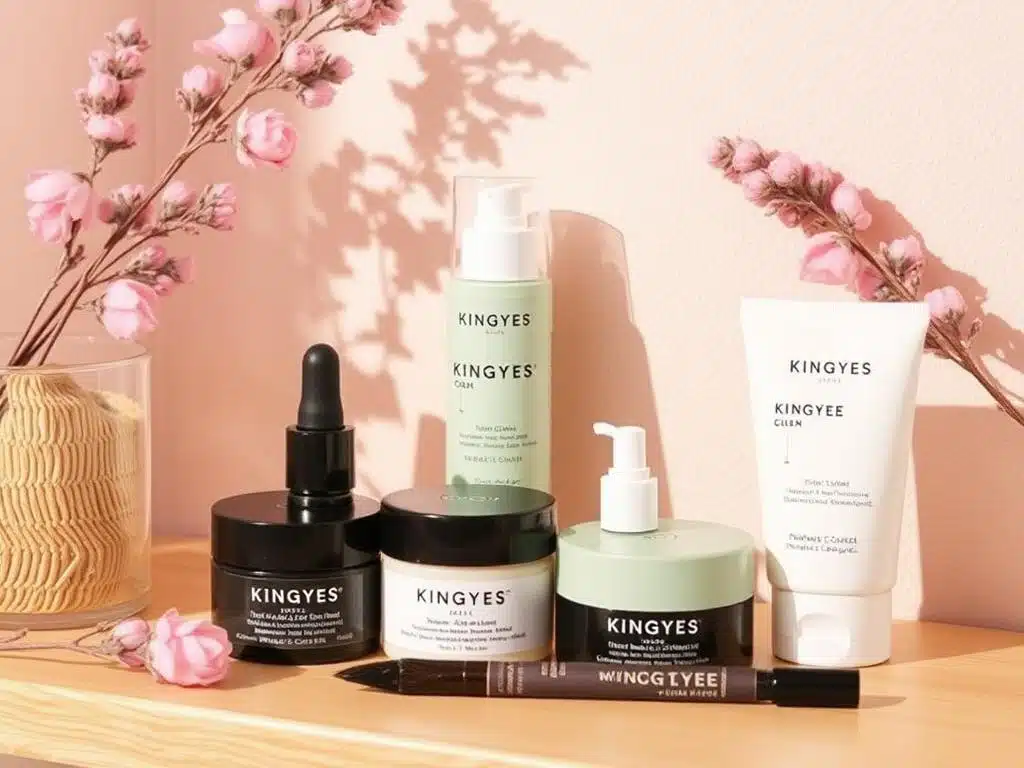
Zero waste skincare involves choosing products that are formulated with durable ingredients and packaged in écologique materials. Here are some tips for creating a zero waste skincare routine:
- Cleansers: Replace liquid cleansers packaged in plastique bottles with solid cleansing bars or oil cleansers that come in glass jars. There are many zéro déchet cleansing bars available.
- Toners: Look for toners packaged in glass bottles or consider making your own using simple, natural ingredients like apple cider vinegar or witch hazel.
- Sérums : Choose serums packaged in glass bottles with droppers. Some brands offer refills for their serums.
- Moisturizers: Opt for solid lotion bars or moisturizers packaged in glass jars or metal tins. You can also make your own moisturizer using natural oils and butters. Many brands offer rechargeable moisturizers.
- Exfoliants: Avoid using scrubs with plastique microbeads, which are harmful to the environment. Instead, choose exfoliants with natural ingredients like sugar, salt, or coffee grounds. You can also make your own exfoliant using simple ingredients from your kitchen.
- Face Masks: Consider making your own face masks using natural ingredients like clay, honey, or yogurt. If purchasing, look for masks packaged in glass jars or compostable materials. There are also many poudre face masks available.
- Makeup Remover: Zero waste makeup remover is readily available. You can use a réutilisable cotton round or cloth and a maquillage naturel remover.
By making these simple swaps, you can significantly reduce the amount of plastic waste generated by your soins de la peau routine. It is easy to find zero waste skincare alternatives.
Zero Waste Hair Care and Body Care
The principles of zéro déchet can also be applied to hair care and body care. Here are some ideas:
- Shampoo and Conditioner: Switch to shampoo bars and conditioner bars, which are solid products that eliminate the need for plastique bottles. Many zéro déchet brands offer these products.
- Body Wash: Replace liquid gel douche packaged in plastique bottles with bar soap or solid gel douche. There are many different scents and formulations available.
- Lotion: Use solid lotion bars or body butters packaged in réutilisable containers.
- Deodorant: Choisir zéro déchet deodorants that come in compostable tubes, glass jars, or metal tins. Many brands are now offering rechargeable deodorant options.
- Toothpaste and Mouthwash: Consider using toothpaste tablets or poudre and mouthwash tablets that come in plastic-free l'emballage. There are also bamboo toothbrushes available.
- Razors: Switch to a metal safety razor with replaceable blades instead of using disposable plastic razors. This is a simple but effective way to reduce plastic waste.
Ces zéro déchet alternatives can help you create a more durable personal care routine. Zero waste personal care is becoming more popular. You can find produits de soins capillaires, tels que shampoo bars, in many stores.
DIY Zero Waste Beauty: Making Your Own Products
For the truly adventurous, making your own zero waste beauty products at home can be a rewarding and durable option. This allows you to control the ingredients and l'emballage and customize products to your specific needs. There are many recipes available online for making your own maquillage naturel, soins de la peauet produits de soins capillaires. There are even online courses available, such as those offered by the School of Natural Skincare.
Here are some tips for making your own zero waste beauty products:
- Start Simple: Begin with simple recipes that require only a few ingredients. You can make many products at home.
- Source Ingredients Carefully: Choisir ingrédients biologiques whenever possible and source them from reputable suppliers. Look for ingredients that are packaged in durable les matériaux.
- Use Reusable Containers: Store your homemade products in réutilisable glass jars, metal tins, or other durable containers. You can also reuse containers from other products.
- Learn About Preservation: If you are making products that contain water, it’s important to learn about natural preservatives to ensure their safety and shelf life.
- Experiment and Have Fun: Créer sa propre entreprise produits de beauté can be a fun and creative process. Don’t be afraid to experiment with different ingredients and recipes to find what works best for you. This is a good way to learn more about formulating cosmétiques.
While making your own products at home is not for everyone, it is an option. Making your own produits de beauté can be a great way to embrace a zero waste lifestyle. It is also a good way to ensure you know exactly what ingredients are in your produits de beauté.
Comment présenter de nouveaux produits de soin ?
Vous souhaitez améliorer la santé de votre peau et atteindre vos objectifs en matière de soins de la peau ?
À quoi sert la coiffure ?
Vous êtes-vous déjà demandé à quoi sert la coiffure et comment les sprays peuvent transformer votre look ?
2025 marques de maquillage chinoises qui valent le coup?
Le paysage mondial de la beauté est en train de changer et les marques de maquillage chinoises montent rapidement en puissance.
Quels sont les produits chimiques contenus dans Root Touch Up ?
Curieux de savoir ce que contient votre produit préféré de retouche des racines ?
Quelles sont les normes ISO pour les cosmétiques ?
In the competitive world of cosmetics, ensuring product quality and safety is paramount.

Comment choisir un fabricant cosmétique OEM fiable en Chine ?
Comment choisir un bon fabricant de maquillage en Chine : un guide pour vous.
Vous avez une idée.
Une nouvelle crème pour le visage. Un nouveau spray pour les cheveux. Une nouvelle couleur d'ongles.
Comment enlever la teinture capillaire de la peau : le seul guide dont vous avez besoin
Imaginez ceci.
Vous venez de teindre vos cheveux. Vous avez utilisé une nouvelle couleur. Ça a l'air génial. Vos cheveux brillent. Vous vous sentez heureux. Vous vous sentez comme une nouvelle personne.

À quelle fréquence devriez-vous laver vos cheveux ? Le guide ultime
Le réveil sonne.
Vous vous réveillez. Vous vous étirez. Vous marchez vers le miroir.
Vous regardez vos cheveux.
 EN
EN  DE
DE  RU
RU  ES
ES  KO
KO  FR
FR  JA
JA