
Decoding the China Hair Care Market: Top 10 Hair Care Brands and Trends in 2024
について China hair care market is booming, with a growing demand for ヘアケア製品 that cater to a variety of needs and preferences. In 2022, the market saw impressive growth, and the haircare market is projected to continue its upward trend through 2024. This article will analyze the トップ10 China hair care brands, explore the factors driving this growth, and examine the 市場規模 and emerging trends. For anyone interested in understanding the dynamics of ヘアケア in China, the influence of ヘアカラー trends, and the preferences of Chinese consumers, this is a must-read. We will also delve into products that are made in China and dominating the care market.その ヘアケア market is constantly growing.
Overview of the China Hair Care Market
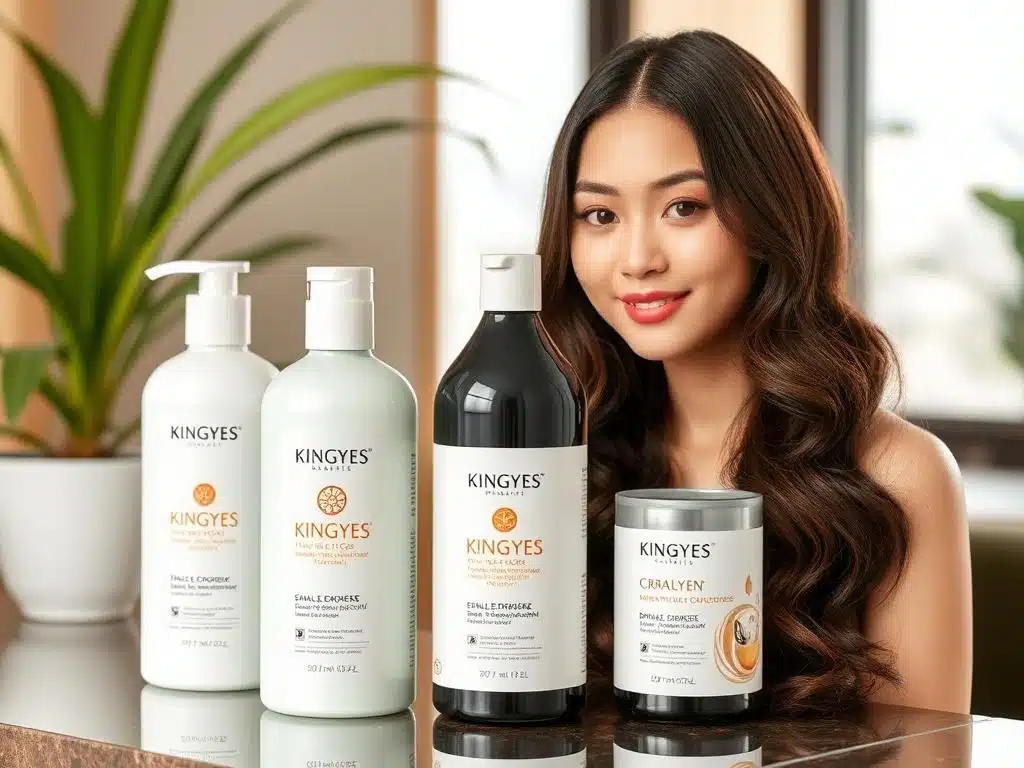
について China hair care market がある。 witnessed significant growth in recent years. 中国 is now a leading market 何度も ヘアケア brands. The market’s expansion is fueled by rising disposable incomes, increasing urbanization, and a growing awareness of personal grooming among Chinese consumers. シャンプー remains the dominant product category, but other segments, such as コンディショナー, ヘアー そして ヘアカラー products, are experiencing rapid growth. The market in China is very lucrative.
In 2022, the China hair care market reached a significant valuation, and it is projected to continue growing at a steady pace through 2024 and beyond. Key players in the market include both international giants like Unilever, P&Gそして ロレアル, as well as domestic Chinese brands that are gaining substantial シェア. These brands offer a variety of products that are designed to meet the needs of Chinese consumers. The haircare market is highly competitive. The China hair care market report highlights some key facts about the ヘアケア産業. Many brands are using their websites to promote their ヘアケア製品.
What Are the Key Drivers of Growth in the China Hair Care Market?
Several factors are contributing to the impressive growth of the China hair care market:
- 可処分所得の増加: As the Chinese economy continues to grow, consumers have more disposable income to spend on personal care products, including ヘアケア.
- Urbanization: The increasing urban population in China is more exposed to global trends and has a greater awareness of personal grooming, driving demand for ヘアケア製品.
- Eコマースの成長: The rapid expansion of e-commerce platforms in China has made it easier for consumers to access a wide range of hair care products, including international brands. It has also allowed many smaller brands to achieve a greater reach.
- Social Media Influence: Social media platforms play a significant role in shaping consumer preferences and driving trends in the ヘアケア market. Influencers and Key Opinion Leaders (KOLs) have a major impact on purchasing decisions. Hair care brands are utilizing these platforms to promote their products.
- Product Innovation: ヘアケア ブランド are constantly innovating, developing new products that cater to specific 毛の種類 and concerns, such as anti-hair loss shampoo, ヘアー treatments for damaged ヘアー, and products for sensitive scalp. Chinese consumers are becoming more interested in specialized products.
- Premiumization: There is a growing trend towards premiumization in the China hair care market, with consumers willing to spend more on high-quality products that offer superior benefits. This has led to a surge in demand for more expensive ヘアケア 製品である。
- Growing Awareness of Scalp Health: Chinese consumers are becoming increasingly aware of the importance of 頭皮の健康, leading to a rise in demand for products that address scalp concerns, like 抜け毛 and dandruff. This has led to the development of new products that promote 頭皮の健康.
Top 10 Hair Care Brands in China
について China hair care market is dominated by a mix of international and domestic brands. Here are 10 of the top players:
Unilever: A global consumer goods giant, Unilever owns several popular ヘアケア brands in China, including Clear, Dove, and Sunsilk. The company has a strong distribution network and invests heavily in advertising and product innovation. Their products are designed for 異毛 タイプだ。
Procter & Gamble (P&G): Another global leader, P&G, holds a significant シェア in China with brands like Head & Shoulders, Pantene, Rejoice, and Vidal Sassoon. Their products are trusted and widely used. P&G focuses on creating products that cater to a wide range of 毛の種類 and concerns.
L’Oréal: The French 化粧品 giant has a strong presence in the China hair care market with brands like L’Oréal Paris, Garnier, and ケラスターゼ. They offer a variety of ヘアケア そして ヘアカラー 製品である。
Adolph: This domestic brand has gained popularity in recent years, particularly among younger consumers. Its focus on natural ingredients and traditional Chinese medicine has resonated with the market. Their products are known for their quality and effectiveness.
SeeYoung: SeeYoung is another successful domestic brand that specializes in silicone-free シャンプー その他 ヘアケア製品. They have gained a loyal following for their focus on gentle, effective formulas.
C স্থানীয় (C-Local): A domestic brand known for its affordable yet effective ヘアケア製品. They offer a range of products catering to various ヘアー ニーズがある。
Kao Corporation: The Japanese company behind brands like Asience and Segreta, Kao has a presence in the premium hair care segment in China. Their products are known for their advanced formulas.
Schwarzkopf: A subsidiary of Henkel, Schwarzkopf is a well-known brand globally and in China. Its Got2b そして Extra Care lines are popular, especially for styling and treatments. They offer a variety of products for different 毛の種類. Schwarzkopf is particularly popular for its 毛染め 製品である。
Wella: A long-established brand, Wella is recognized for its professional hair care and color products, targeting both salon professionals and individual consumers. Their products are known for their quality and reliability.
Beiersdorf AG: This company is well-known for its skincare brands like Nivea, but also has a presence in the haircare market with brands like Slek.
These brands have achieved success in China by understanding local consumer preferences, investing in research and development, and adapting their marketing strategies to the unique characteristics of the Chinese market.
Analyzing Market Segmentation and Trends
について China hair care market can be segmented based on product type, distribution channel, and price range. This segmentation helps brands develop targeted marketing strategies and product offerings. Some of the main product segments are shampoo, conditioner, hair オイル ヘアー masks, and ヘアカラー.
製品タイプ
- Shampoo: The largest segment, accounting for the majority of シェア. Key trends include the growing popularity of silicone-free, anti-hair loss, and scalp care シャンプー.
- Conditioner: The second-largest segment, with increasing demand for leave-in コンディショナー and deep conditioning treatments.
- Hair Color: A rapidly growing segment, driven by fashion trends and the desire for self-expression. 毛染め 人気上昇中 among Chinese consumers.
- Hair Treatments: これは segment includes products like ヘアー oils, serums, masks, and scalp treatments. There is a growing demand for specialized treatments that address specific concerns, like damaged ヘアー, ヘアー loss, and sensitive scalp. Many people are also suffering from hair loss in China.
流通チャネル
- Supermarkets/Hypermarkets: Traditionally the dominant channel, but losing シェア to e-commerce.
- E-commerce: The fastest-growing channel, driven by convenience, wide product selection, and competitive pricing.
- Specialty Stores: Stores specializing in beauty and personal care products, offering a more curated selection and personalized service.
- Salons: An important channel for professional hair care products and treatments.
Price Range:
- Mass Market: Affordable products from brands like Rejoice, Head & Shoulders, and some domestic brands.
- Premium: Higher-priced products from brands like ケラスターゼ, Wella, and some specialized domestic brands.
- Super-Premium: Luxury products from brands like 織部 そして Philip B.
| Segment | Sub-segment | Key Trends |
|---|---|---|
| 製品タイプ | シャンプー | Growing popularity of silicone-free, anti-hair loss, and scalp care shampoos |
| コンディショナー | Increasing demand for leave-in conditioners and deep conditioning treatments | |
| ヘアカラー | Rapid growth driven by fashion trends and self-expression | |
| Hair Treatments | Growing demand for specialized treatments for damaged hair, hair loss, and sensitive scalp | |
| Distribution Channel | Supermarkets/Hypermarkets | Traditionally dominant but losing market share to e-commerce |
| 電子商取引 | Fastest-growing channel due to convenience, wide selection, and competitive pricing | |
| Specialty Stores | Offer curated selection and personalized service | |
| サロン | Important channel for professional hair care products and treatments | |
| 価格帯 | マス・マーケット | Affordable products from brands like Rejoice, Head & Shoulders, and some domestic brands |
| プレミアム | Higher-priced products from brands like Kérastase, Wella, and some specialized domestic brands | |
| Super-Premium | Luxury products from brands like Oribe and Philip B |
Market Trends:
- ナチュラルでオーガニック: Growing consumer preference for ヘアケア製品 with natural and organic ingredients. Consumers are concerned about the ingredients in their ヘアケア 製品である。
- Anti-Pollution: Demand for products that protect ヘアー from environmental damage caused by pollution.
- パーソナライゼーション: Increasing interest in personalized hair care solutions tailored to individual 毛の種類 and concerns. This helps to improve hair quality.
- Scalp Care: Greater focus on 頭皮の健康, with products designed to address issues like dandruff, dryness, and sensitivity. There is an increase in Chinese people looking for ways to improve their 頭皮の健康.
- Gen Z Influence: の台頭 Gen Z consumers is shaping trends, with a focus on self-expression, sustainability, and authenticity. Z世代 are looking for new and innovative products.
The Rise of Domestic Chinese Hair Care Brands
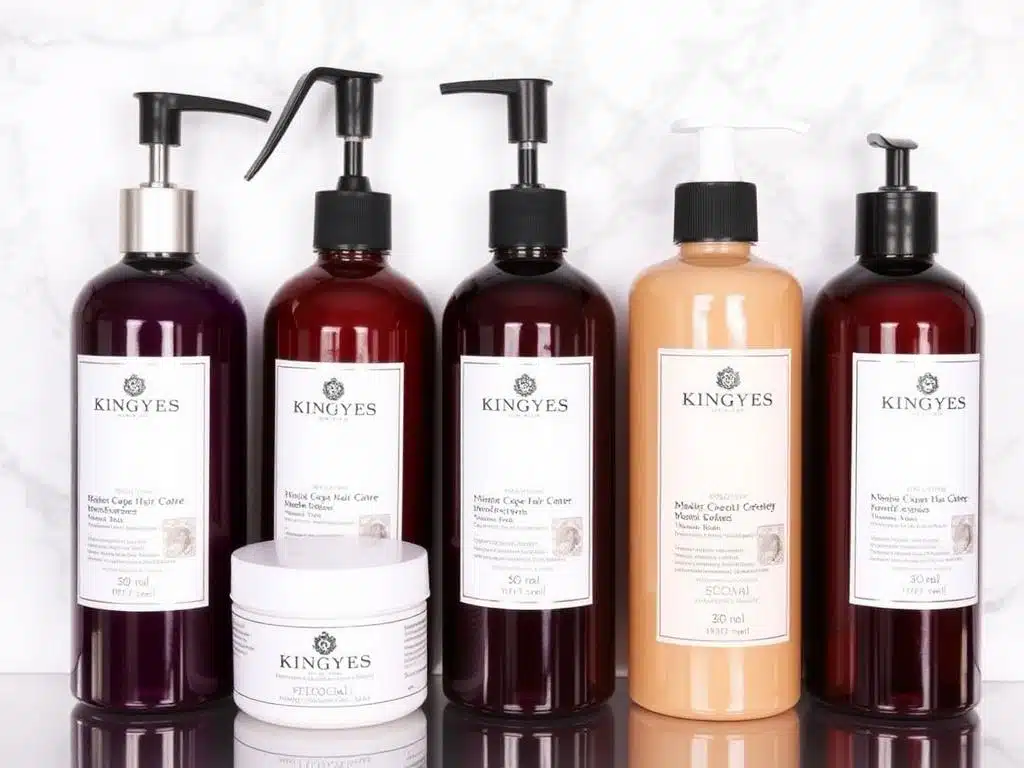
While international brands have historically dominated the China hair care market, domestic brands are rapidly gaining ground. These brands are leveraging their understanding of local consumer preferences, incorporating traditional Chinese medicine ingredients, and offering competitive pricing to capture シェア. They are also focusing on the specific ヘアー needs of Chinese consumers. Many are becoming ヘアケアブランド.
Brands like Adolph, SeeYoung, C স্থানীয়, and others have successfully established themselves as strong players in the market. They are effectively competing with international brands by offering high-quality products that are specifically formulated for Chinese hair types and concerns. They often use 定式化 techniques that are unique to the Chinese market. Their success shows that made in China products can compete with global brands. These brands are gaining popularity in China. They are also developing specialized products のために Chinese market.
The Influence of E-commerce on Hair Care Sales in China
E-commerce has revolutionized the way Chinese consumers shop for ヘアケア製品. Online platforms like Tmall, JD.com, and Pinduoduo offer a vast selection of brands and products, often at discounted prices. They also provide a platform for smaller brands to reach a wider audience.
E-commerce has also enabled the rise of social commerce, where consumers discover and purchase products through social media platforms like WeChat and Douyin (TikTok). Key Opinion Leaders (KOLs) and influencers play a major role in promoting ヘアケア ブランド and products on these platforms. This has led to a change in consumer demand.
Understanding Chinese Consumer Preferences in Hair Care
Chinese consumers have specific preferences and needs when it comes to ヘアケア. Understanding these nuances is crucial for brands seeking to succeed in the market. Here are some key considerations:
- Hair Type and Texture: Chinese consumers generally have straight, black ヘアー, but there is a growing diversity of 毛の種類 and textures due to factors like perming, coloring, and mixed-race individuals. Brands need to cater to this range of ヘアー ニーズがある。
- Scalp Concerns: Scalp issues like dandruff, oiliness, and sensitivity are common concerns among Chinese consumers. Products that address these issues are in high demand. Many people are looking for products that improve their 頭皮の健康.
- Hair Loss: Hair loss is a significant concern, particularly among men, but increasingly among women as well. Anti-hair loss shampoo and other hair growth products are popular. Many Chinese consumers are suffering from hair loss.
- 天然成分: There is a growing preference for ヘアケア製品 that contain natural and organic ingredients. Traditional Chinese medicine ingredients are particularly well-regarded. Consumers are becoming more aware of harmful chemicals.
- Brand Reputation: Chinese consumers value brand reputation and are willing to pay a premium for products from trusted brands, both international and domestic. The reputation of ヘアケアブランド は非常に重要だ。
- Product Safety: Consumers are becoming more conscious of health concerns related to their choice of products. Consumers are increasingly concerned about product safety and are looking for products that are free from harmful chemicals. This has led to an increase in the popularity of ヘアケア製品 made with natural ingredients.
The Role of Traditional Chinese Medicine in Hair Care
Traditional Chinese medicine (TCM) plays a significant role in the China hair care market. Many domestic brands incorporate TCM ingredients and principles into their product formulations. Consumers often perceive TCM ingredients as natural, safe, and effective. This is a popular trend in the Chinese haircare 市場だ。
Some commonly used TCM ingredients in ヘアケア製品 を含む:
- He Shou Wu (Polygonum multiflorum): Believed to promote 発毛 and prevent premature graying.
- Ginseng: Used to strengthen ヘアー and improve scalp circulation.
- Lingzhi (Reishi mushroom): Thought to nourish the scalp and promote ヘアー 健康だ。
- Dang Gui (Angelica sinensis): Used to improve blood circulation to the scalp.
These ingredients are often combined with modern ヘアケア technologies to create products that offer both traditional and scientific benefits. This is appealing to many Chinese consumers.
Challenges and Opportunities in the China Hair Care Market
について China hair care market presents both challenges and opportunities for brands:
課題だ:
- Intense Competition: The market is highly competitive, with numerous international and domestic brands vying for シェア. This makes it difficult for new brands to enter the market.
- Changing Consumer Preferences: Consumer preferences are constantly evolving, requiring brands to stay ahead of trends and adapt quickly. Brands need to be aware of changes in the market.
- Distribution Complexities: Navigating the complex distribution landscape in China, including both online and offline channels, can be challenging. There are also different regulations in different parts of China.
- 偽造品: The prevalence of counterfeit products can damage brand reputation and erode consumer trust. Brands need to be vigilant about protecting their intellectual property.
- 規制遵守: Meeting China’s regulatory requirements for コスメティック products can be complex and time-consuming. Brands need to ensure their products comply with all relevant regulations.
- Marketing Costs: The cost of marketing and advertising, including the use of Key Opinion Leaders (KOLs), has risen sharply as competition has increased.
チャンスだ:
- Market Growth Potential: について China hair care market is still growing rapidly, offering significant opportunities for brands that can meet consumer needs. There is a growing demand にとって ヘアケア 製品である。
- Eコマースの拡大 The continued growth of e-commerce provides a powerful platform for brands to reach a wider audience. It also provides a platform for smaller brands to compete with larger, more established brands.
- Premiumization Trend: The growing demand for premium and super-premium ヘアケア製品 presents an opportunity for brands to offer high-quality, differentiated products. This is a major trend in the Chinese market.
- Niche Markets: There are opportunities to target niche markets, such as consumers with specific 毛の種類 or concerns, or those seeking natural and organic products. This includes products for sensitive scalp.
- Innovation in TCM: 組み合わせ traditional Chinese medicine with modern ヘアケア technology offers a unique selling proposition for brands. Many brands are using this as a way to differentiate themselves.
- Tier 2 and 3 Cities: As incomes rise, and trends spread outwards from the main urban centers, there is growing demand in less developed cities.
Future Projections for the China Hair Care Market
について China hair care market is projected to continue its growth trajectory in the coming years. Industry experts predict that the market will reach a significant valuation by 2025 and 2027. The market is expected to be driven by factors such as rising disposable incomes, increasing urbanization, and growing consumer awareness of personal grooming. The market is also expected to be driven by the growing demand にとって specialized products.
Key trends that are expected to shape the future of the market include:
- Continued Premiumization: Consumers will continue to trade up to higher-quality, more expensive ヘアケア製品.
- Digitalization: E-commerce and social commerce will play an even greater role in ヘアケア sales and marketing.
- パーソナライゼーション: Demand for personalized hair care solutions will continue to grow.
- 持続可能性: Consumers will increasingly seek out sustainable and eco-friendly ヘアケア options. There will be a greater focus on quality 材料
- 技術の進歩: New technologies, such as AI-powered hair analysis and personalized product recommendations, will emerge.
It is projected that, by 2025, the haircare segment will see a 2.5% increase in volume growth.
Here are some of the most important takeaways from this analysis of the China hair care market:
- について China hair care market is a dynamic and rapidly growing market.
- Both international and domestic brands are competing for シェア.
- E-commerce and social commerce are playing an increasingly important role in ヘアケア セールスを行う。
- Chinese consumers have specific preferences and needs when it comes to ヘアケア.
- Traditional Chinese medicine is influencing product formulations.
- The market presents both challenges and opportunities for brands.
- の未来 China hair care market looks bright, with continued growth and innovation expected.
- について China hair care market is expected to continue its growth trajectory in the coming years.
- Key trends that are expected to shape the future of the market include continued premiumization, digitalization, personalization, sustainability, and technological advancements.
- By 2027, it is expected that 77% of spending within the haircare segment will be attributed to non-luxury goods.
- In 2023, the shampoo segment held the largest シェア at 38.6%. コンディショナー held a 29.4% シェアそして ヘアカラー held 8.7%.
- Sales through supermarkets and online are expected to grow year-on-year.
- Unilever は leading market player.
- Beiersdorf AG and Kao USA are major players in the Chinese market. Their products include popular brands like Schwarzkopf.
- Guangzhou そして Shanghai are major centers of production and home to many successful companies. Examples include Guangzhou Biying Cosmetics Co., Ltd そして Shanghai Pechoin Daily Chemical Co., Ltd.
について China hair care market offers exciting opportunities for brands that can understand and cater to the evolving needs of Chinese consumers. By staying ahead of trends, embracing innovation, and leveraging the power of e-commerce and social media, brands can position themselves for success in this dynamic and lucrative market. The ヘアケア産業 is constantly evolving. In 2023, the revenue for the haircare market was over 7.5 billion USD. The market is projected to grow. It is anticipated that there will be 1.5 billion users in the haircare segment by 2027. The China hair care industry is expected to continue to grow.
| 会社概要 | Country of Origin | Popular Brands in China |
|---|---|---|
| Unilever | UK/Netherlands | Clear, Dove, Sunsilk, TRESemmé |
| Procter & Gamble (P&G) | USA | Head & Shoulders, Pantene, Rejoice |
| ロレアル | France | L’Oréal Paris, Garnier |
| Adolph | 中国 | Adolph |
| SeeYoung | 中国 | SeeYoung |
| C স্থানীয় (C-Local) | 中国 | C স্থানীয় |
| Kao Corporation | Japan | Asience, Segreta |
| Henkel | Germany | Schwarzkopf |
| Wella | Germany | Wella |
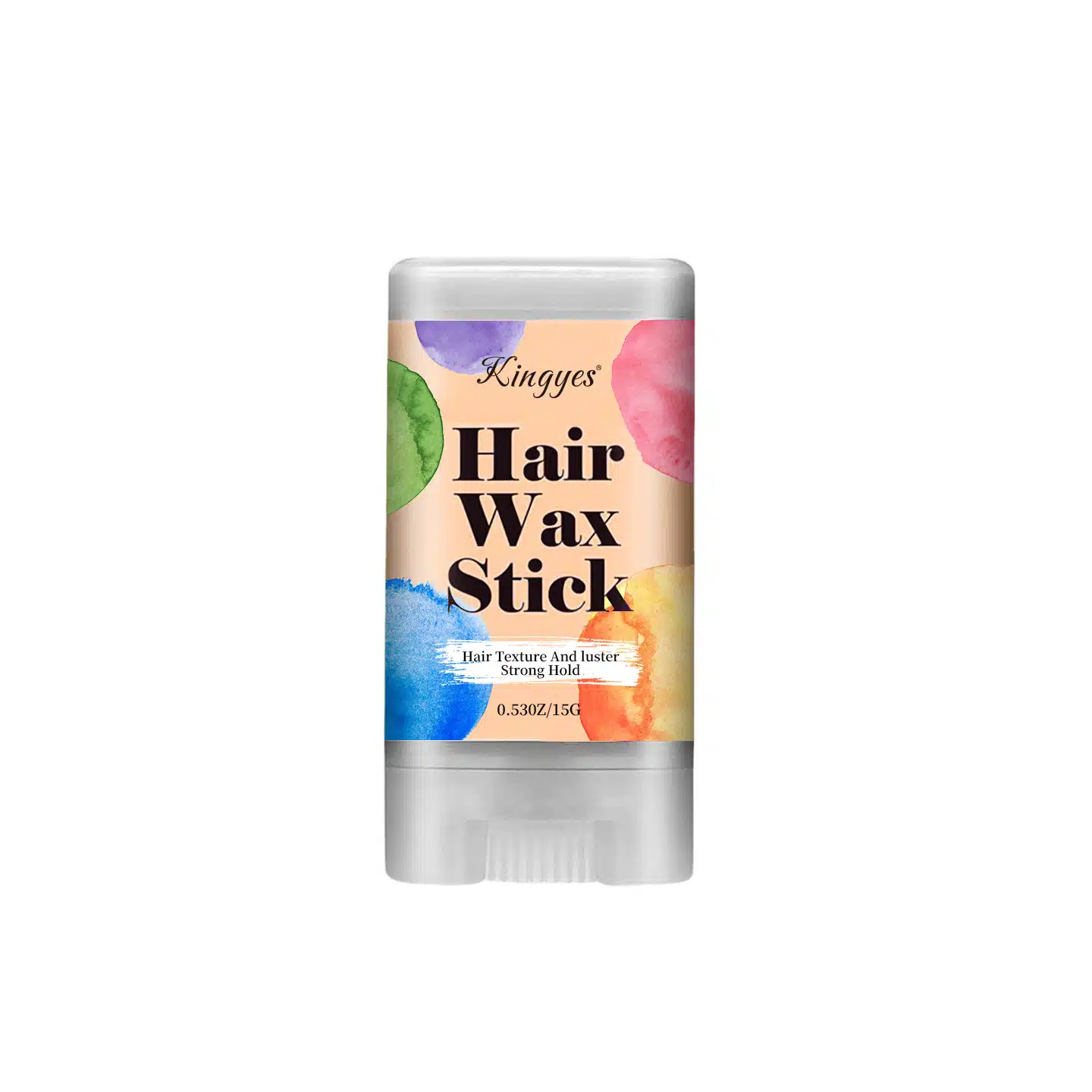
| Dongguan Mefapo Cosmetic Products Co., Ltd | 中国 | キングアイズ |
| Shanghai Pechoin Daily Chemical Co., Ltd | 中国 | Pechoin |
It is important to note that the market is constantly changing, with new brands emerging and consumer preferences shifting. The continued growth of the China hair care market is dependent on a number of factors, including economic conditions, consumer trends, and technological advancements. All companies involved in the ヘアケア市場 should have ISO22716 and GMPC certification. Companies like Beiersdorf AG and Kao USA Inc should continue to develop their ヘアケア products to meet the needs of Chinese consumers. Companies should also continue to utilize their 流通チャンネル effectively. They should also develop their research and development to stay ahead of the competition. There is a growing demand にとって ヘアケア products that use natural ingredients. Foreign brands should ensure their products meet the needs of Chinese consumers.

ウォルマートで化粧品を販売するには?
小売大手のウォルマートは、ウォルマート・マーケットプレイスでその勢力を拡大し、サードパーティーの販売者がウォルマートの在庫と一緒に商品を提供できるようにした。

中国で信頼できる化粧品OEMメーカーを選ぶ方法?
中国で良いメイクアップメーカーを選ぶ方法:あなたのためのガイド。
あなたは概念を持っています。
新しいフェイスクリーム。新しいヘアスプレー。新しいネイルカラー。
髪の毛染めを肌から落とす方法:必要な唯一のガイド
こんな感じを想像してください。
あなたは髪の毛を染めました。新しい色を使いました。それは素晴らしい見た目です。あなたの髪は光っています。あなたは幸せを感じています。あなたは新しい人のように感じます。
 English
  German
  Russian
  Spanish
  Korean
  French
  Japanese