
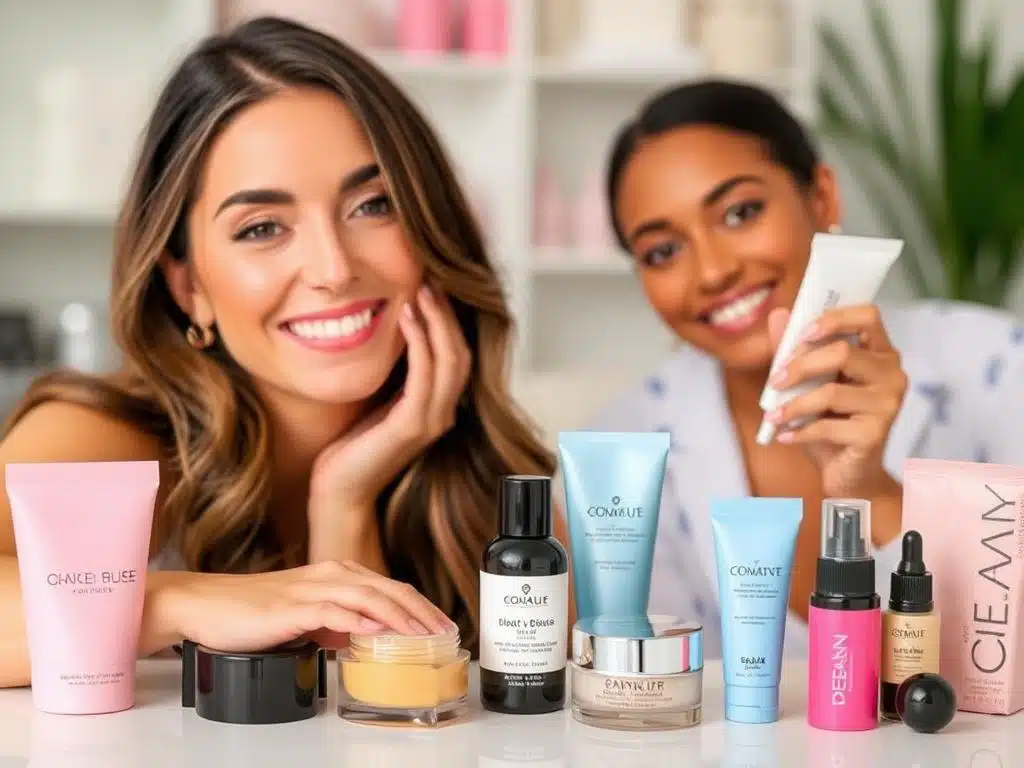
Selling Beauty: Your Guide on How to Sell Beauty Products to Customers
So you’ve developed an amazing 美容製品 and you’re ready to share it with the world. But how do you get it into the hands of eager customers? Successfully selling 美容製品を問わず、である。 オンライン or in person, requires a strategic approach that encompasses product development, branding, marketing, sales, and customer service. This comprehensive guide will walk you through the essential steps of how to sell beauty products effectively, from identifying your target audience and choosing the right sales channels to crafting compelling marketing messages and building customer loyalty. Whether you’re launching a new ビューティーブランド or looking to boost sales for your existing line, this article provides valuable insights and actionable tips to help you succeed in the competitive 美容業界.
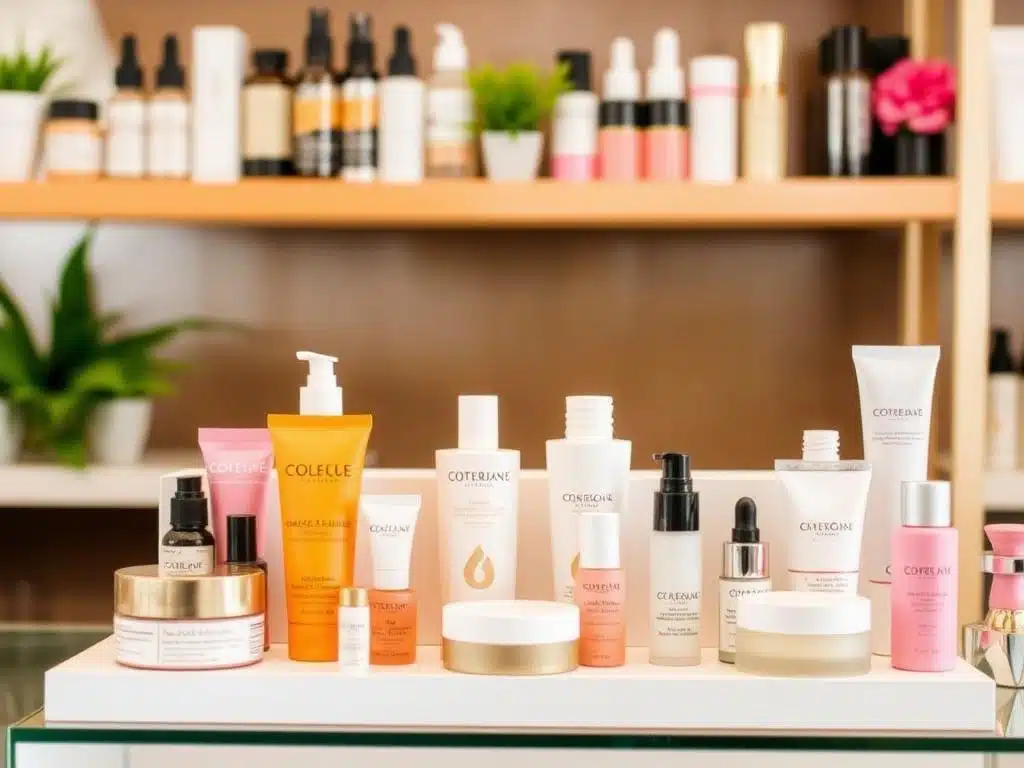
Understanding Your Target Market and Competition: Who Will Buy Your Beauty Product?
Before you can effectively 売る 美容製品, you need to have a deep understanding of your target market and your competition. Knowing your audience and what they want is crucial. Who are your ideal customers? What are their needs, preferences, and pain points? Where do they shop for 美容製品? What are their values and aspirations?
To understand your target market, consider the following:
- 人口統計: What is the age, gender, location, income level, education level, and occupation of your target customers?
- サイコグラフィックス: What are your target customers’ lifestyles, interests, values, attitudes, and personality traits? What are their beauty routines and habits?
- Needs and Pain Points: What problems are your target customers trying to solve with 美容製品? What are their unmet needs or desires? How can your product address those needs?
- Shopping Behaviors: Where do your target customers typically shop for 美容製品? Do they prefer to shop オンライン, in-store, or both? What factors influence their purchasing decisions (e.g., price, quality, brand reputation, reviews, recommendations)?
Conducting thorough 市場調査 can help you gain insights into your target market. This may involve analyzing industry reports, studying competitor ブランド, surveying potential customers, and monitoring social media conversations. You can also use online tools like Google Trends, social media analytics, and keyword research tools to understand consumer preferences and search behavior. Many オンライン販売業者 find success by doing thorough research.
In addition to understanding your target market, you also need to analyze your competition. Who are your main competitors, both online and offline? What are their strengths and weaknesses? How are they positioning their ブランド and products? What are their pricing and マーケティング戦略? Identifying your competitors and understanding their strategies can help you differentiate your ブランド, identify opportunities in the market, and refine your own approach to selling. You need to analyze what other 美 brands are doing.
Choosing the Right Sales Channels: Where Will You Sell Beauty Products?
Once you have a clear understanding of your target market and your competition, you need to choose the right sales channels for your 美容製品. Where will you sell your beauty products? The optimal channels will depend on your product, your target audience, your budget, and your business goals.
Here are some common sales channels for 美容製品:
- Your Own Ecommerce Website: 自分だけのものを作る オンラインストア gives you full control over your ブランド, your customer data, and the ショッピング体験. You can use platforms like ショップファイ, WooCommerce, or BigCommerce to build and manage your eコマースサイト. This is a popular choice for many ビューティーブランド. Many successful 美 brands choose to build their own online presence.
- オンライン・マーケットプレイス Selling on established オンライン marketplaces like Amazon, eBay, or Etsy can give you access to a large existing customer base. However, you’ll need to consider the fees, competition, and branding limitations associated with each marketplace. You’ll need to decide if you’ll sell primarily on Amazon or another marketplace, or if you will use them in addition to your own website.
- ソーシャルメディア・プラットフォーム Platforms like Instagram, Facebook, and TikTok offer opportunities to sell directly to consumers through features like shoppable posts, in-app checkout, and live stream shopping. Social media can be a powerful sales channel for ビューティーブランド, especially if you have a strong social media presence and an engaged audience. You can promote your beauty products and make sales all on one platform.
- Physical Retail Stores: If you have a brick-and-mortar store or are considering opening one, you can 商品を売る in person. This allows you to provide a hands-on ショッピング体験 and build relationships with local customers. You can also consider partnering with existing retailers to carry your products in their stores.
- Pop-Up Shops and Events: Participating in pop-up shops, markets, trade shows, and other events can be a great way to 商品を売る in person, generate buzz, and connect with potential customers and industry contacts. You can attend beauty industry trade shows to network and promote your products.
- 卸売り: あなたは sell your beauty products wholesale to other retailers, spas, salons, or distributors. This can help you expand your reach and increase your sales volume, but it typically involves lower profit margins than selling direct to consumers.
When choosing your sales channels, consider the following factors:
- Where your target customers shop: Choose channels that align with your target customers’ shopping preferences and behaviors.
- Your product type: 一部 美容製品 may be better suited for certain channels than others. For example, high-end or niche products may be more successful on specialized イーコマース platforms or in select retail stores, while mass-market products may be a good fit for marketplaces or drugstores.
- Your budget: Different sales channels have different costs associated with them. Consider the setup costs, transaction fees, commissions, and ongoing maintenance expenses for each channel.
- Your resources and expertise: Do you have the time, skills, and resources to manage multiple sales channels effectively? It may be better to start with one or two channels and expand as your business grows.
- Your brand image: Ensure that your chosen sales channels align with your ブランド image and values.
多数 ビューティーブランド use a combination of sales channels to reach a wider audience and diversify their revenue streams. The key is to choose the channels that best align with your business goals, resources, and ターゲット市場. The right channels will give customers the chance to check out products and make purchases easily.
Creating a Compelling Brand and Product Story: Why Should Customers Choose You?
In the crowded 美容市場, a compelling brand and product story is essential for differentiating yourself from competitors and connecting with your target customers. Your ブランド story should communicate your ブランドの values, mission, and unique selling proposition (USP). It should explain what makes your 美容製品 different, better, or special compared to others on the market. Your product story should highlight the key features, benefits, and ingredients of your products, and explain how they address your target customers’ needs and pain points.
To create a compelling brand and product story, consider the following:
- Identify your brand’s purpose: Why does your ビューティーブランド exist? What problem are you trying to solve for your customers? What impact do you want to make on the world?
- Define your brand values: What principles and beliefs guide your ブランド? This could include a commitment to sustainability, cruelty-free practices, クリーンビューティー, inclusivity, or other values that resonate with your ターゲット市場.
- Highlight your unique selling proposition (USP): What sets your 美容製品 apart from the competition? This could be a unique ingredient, a proprietary formulation, a specific benefit, a novel packaging design, or a combination of factors.
- Tell your brand’s story: Share the story behind your ブランド, including your inspiration, your journey, and your vision for the future. Make it authentic, relatable, and engaging.
- Showcase your product’s benefits: Clearly communicate the benefits of using your 美容製品. How will they improve your customers’ lives, appearance, or well-being? Focus on the results and outcomes that your target customers desire.
- Use high-quality visuals: Invest in professional product photography and videography that showcase your products in the best possible light. Use visuals to tell your ブランド and product story and to create an emotional connection with your audience.
- 一貫性を保つ: Ensure that your brand and product story is consistent across all touchpoints, including your website, 製品ページ, packaging, social media, and marketing materials.
A compelling brand and product story can help you attract and retain customers, build brand loyalty, and justify a premium price point. It can also help you stand out in a crowded market and make a lasting impression on your target audience. Your story should encourage customers to use your product.
Developing an Effective Marketing Strategy: How Will You Reach Your Target Customers?
A well-defined marketing strategy is crucial for promoting your 美容製品 and reaching your target customers. Your marketing strategy should encompass a mix of online and offline tactics tailored to your specific ブランド, product, and audience.
Here are some key components of an effective marketing strategy for 美容製品:
- Set clear marketing objectives: Define what you want to achieve with your marketing efforts. This could include increasing brand awareness, driving traffic to your オンラインストア, generating leads, boosting sales, or building customer loyalty. Ensure your marketing objectives align with your overall business goals.
- Identify your target audience: Clearly define your target customers, including their demographics, psychographics, needs, pain points, and shopping behaviors. This will help you tailor your marketing messages and choose the most effective channels to reach them.
- Develop your key messages: Craft compelling marketing messages that communicate the unique value proposition of your 美容製品 そして ブランド. Highlight the key benefits, features, and ingredients that differentiate your products from the competition.
Choose your marketing channels: Select the marketing channels that are most likely to reach your ターゲット市場 and align with your marketing objectives. This may include a mix of:
- ソーシャルメディア・マーケティング Use platforms like Instagram, Facebook, TikTok, and Pinterest to showcase your products, engage with your audience, and build a community around your ブランド. Consider using a mix of organic and paid social media tactics. You can market your products on social media very effectively.
- インフルエンサー マーケティング パートナー ビューティー・インフルエンサー who have a strong following among your ターゲット市場. Influencers can create authentic and engaging content featuring your products, such as reviews, tutorials, and unboxing videos. This is a popular way to market 化粧品.
- メールマーケティング Build an email list and use email marketing to nurture leads, promote new products, offer exclusive discounts, and share valuable content with your subscribers.
- コンテンツ・マーケティング Create valuable and informative content related to your niche and products, such as blog posts, videos, tutorials, and how-to guides. This can help to attract and educate potential customers, establish your ブランド as an authority in the 美容業界, and drive organic traffic to your website.
- 有料広告: Consider using paid advertising platforms, such as Google Ads, Facebook Ads, and Instagram Ads, to reach a wider audience and drive targeted traffic to your オンラインストア. Experiment with different ad formats, targeting options, and messaging to optimize your campaigns.
- Public Relations: Seek opportunities to get your ブランド featured in relevant publications, blogs, and media outlets. This could involve sending out press releases, pitching stories to journalists, or participating in industry events.
- 検索エンジン最適化(SEO): Optimize your website and product pages for relevant keywords to improve your ranking in search engine results. This will help drive organic traffic to your オンラインストア.
Create a content calendar: Plan your marketing content in advance using a content calendar. This will help you stay organized, maintain consistency, and ensure that your content aligns with your marketing objectives and overall ブランド 戦略だ。
- Monitor and analyze your results: Track the performance of your marketing campaigns using analytics tools. Monitor key metrics such as website traffic, engagement, conversion rates, and sales. Use this data to identify what’s working well and what needs improvement, and adjust your strategy accordingly.
Your marketing strategy should be flexible and adaptable, allowing you to respond to changes in the market, consumer behavior, and your business performance. Regularly review and refine your strategy to 確保する that it remains effective and aligned with your goals. You may need to try several different マーケティング戦略 before you find what works best for your ブランド.
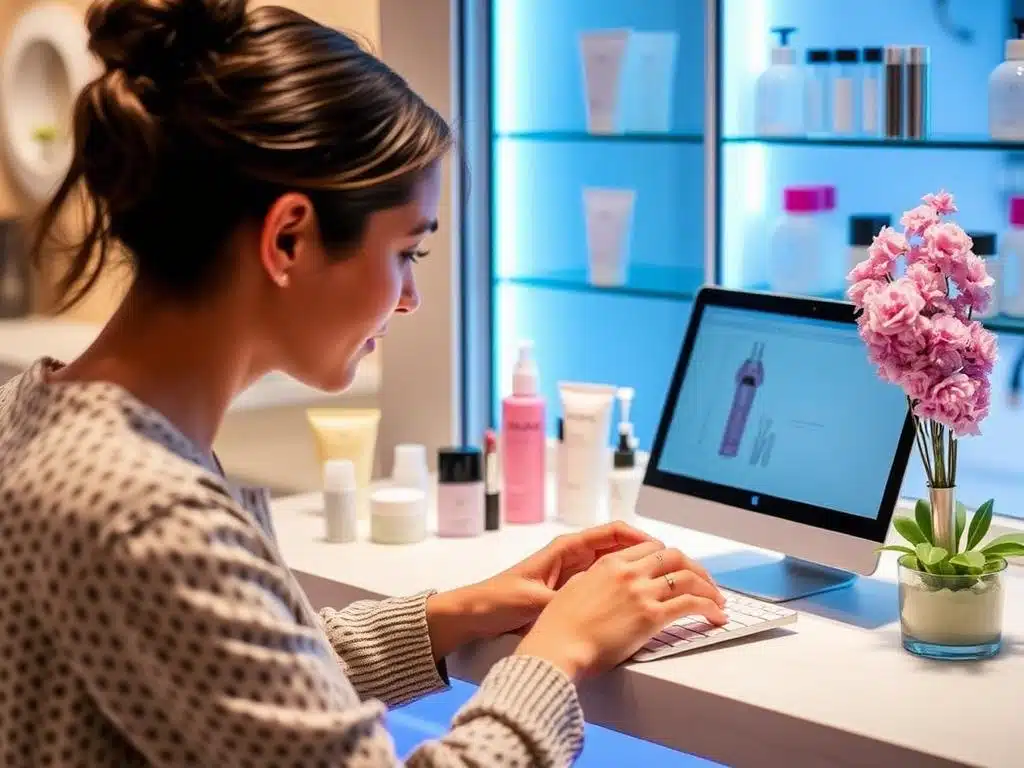
Pricing Your 美容製品: Finding the Sweet Spot
Pricing is a critical aspect of your 美容製品 strategy. It directly impacts your profitability, your brand positioning, and your ability to compete in the market. Setting the right price for your products requires careful consideration of several factors, including your costs, your target market’s willingness to pay, your competitors’ pricing, and your overall business goals.
Here are some common pricing strategies for 美容製品:
- Cost-Plus Pricing: This involves calculating the total コスト of producing and marketing your product, and then adding a markup percentage to determine the selling price. This method ensures that you cover your costs and achieve a desired profit margin, but it doesn’t take into account market demand or competitor pricing.
- Value-Based Pricing: This approach focuses on the perceived value of your product to the customer, rather than just the cost of production. If your product offers unique benefits, high-quality ingredients, or a strong ブランド story, you may be able to command a premium price. This strategy requires a deep understanding of your target market’s needs, preferences, and willingness to pay.
- 競争力のある価格設定: This involves setting your prices based on what your competitors are charging for 類似品. You may choose to price your products slightly below, at, or above your competitors’ prices, depending on your ブランド positioning and overall strategy. This approach can help you remain competitive in the market, but it may also lead to price wars and lower profit margins.
- Penetration Pricing: This strategy involves setting a low initial price for your product to quickly gain market share and attract customers. This can be an effective way to launch a new beauty product or enter a new market, but it may be difficult to raise prices later on.
- Skimming Pricing: This involves setting a high initial price for your product to capitalize on early adopters’ willingness to pay a premium for new or innovative products. As the market becomes more saturated or competition increases, you can gradually lower the price. This strategy can work well for unique or high-end 美容製品 with strong demand.
- Psychological Pricing: This approach uses pricing tactics that play on consumer psychology to influence purchasing decisions. Examples include using prices that end in 9 (e.g., $9.99 instead of $10), offering discounts or promotions, or bundling products together at a slightly lower price than if they were purchased separately.
When pricing your 美容製品, consider the following:
- Your Costs: Calculate all the costs associated with producing, marketing, and selling your product, including ingredient costs, packaging, manufacturing, labor, shipping, marketing, and overhead expenses. This is essential for setting a price.
- Your Target Market: Understand your target customers’ price sensitivity and willingness to pay. Conduct 市場調査 to determine what price range they consider reasonable for a product like yours.
- Your Brand Positioning: Your pricing should align with your overall ブランド positioning. If you’re positioning your ブランド as a luxury or premium brand, your prices should reflect that. If you’re targeting a more budget-conscious market, your prices should be more competitive.
- Your Competitors: Analyze your competitors’ pricing strategies and determine where your product fits within the market landscape. Decide whether you want to position your product as a more affordable option, a premium alternative, or somewhere in between.
- Your Profit Goals: Determine your desired profit margin per unit and per sale. Ensure that your pricing strategy allows you to achieve these profit goals while remaining competitive.
Pricing is not a one-time decision. You should regularly review and adjust your pricing based on market conditions, customer feedback, and your business performance. You may also need to adjust your pricing as your ブランド grows and evolves.
Providing Excellent Customer Service: Building Loyalty and Advocacy
競争の中で 美容業界, providing excellent customer service is not just a nice-to-have – it’s a necessity. Your customers have countless options when it comes to purchasing 化粧品, and their experience with your ブランド can be a key differentiator. Exceptional customer service can help you build customer loyalty, generate positive word-of-mouth, and ultimately drive sales.
Here are some key principles of providing excellent customer service in the 美 産業だ:
- 応答的であれ: Respond to customer inquiries, comments, and complaints promptly and professionally. Aim to answer emails and social media messages within 24 hours, if not sooner. If you offer live chat or phone support, ensure that these channels are adequately staffed and that wait times are minimal.
- Be Knowledgeable: Ensure that your customer service team is well-trained on your products, ingredients, and usage instructions. They should be able to answer customers’ questions accurately and confidently, and provide personalized recommendations based on individual needs and preferences. Use your product knowledge to provide helpful and informed responses.
- Be Empathetic: Train your customer service team to listen actively to customers, empathize with their concerns, and show genuine care and understanding. Customers should feel heard and valued, even if they are experiencing an issue with your product or service.
- 体験をパーソナライズする: Whenever possible, personalize your interactions with customers. Use their name, reference their previous purchases or interactions, and tailor your recommendations to their specific needs and preferences. This can help to build a stronger connection with your customers.
- Go Above and Beyond: Look for opportunities to exceed customer expectations and create memorable experiences. This could involve offering a small gift or discount as a token of apology for a delayed shipment, sending a handwritten thank-you note with an order, or proactively reaching out to customers to see how they are enjoying your products.
- Make it Easy to Contact You: Provide multiple channels for customers to contact you, such as email, phone, live chat, and social media. Clearly display your contact information on your website and make it easy to find.
- Solicit and Act on Feedback: Encourage customers to provide feedback on your products and service, and use that feedback to make improvements. This could involve sending out post-purchase surveys, monitoring online reviews, or actively engaging with customers on social media. Respond to both positive and negative feedback in a timely and professional manner.
- Empower Your Team: Give your customer service team the authority and autonomy to resolve customer issues on the spot, without needing to escalate every problem to a manager. This can help to speed up resolution times and improve customer satisfaction.
- Monitor Key Metrics: Track customer service metrics such as response time, resolution time, customer satisfaction (CSAT) scores, and Net Promoter Score (NPS). Use this data to identify areas for improvement and measure the effectiveness of your customer service efforts.
Excellent customer service can be a powerful differentiator for your ビューティーブランド. By investing in training, empowering your team, and consistently going above and beyond for your customers, you can build a loyal customer base that will not only keep coming back but also recommend your ブランド to others. This will help you sell your beauty products more effectively.
Leveraging Social Media and Influencer Marketing: Spreading the Word
Social media and influencer marketing have become indispensable tools for ビューティーブランド looking to reach and engage with their target audiences. Platforms like Instagram, Facebook, YouTube, TikTok, and Pinterest are visual-first, making them ideal for showcasing 美容製品 and creating engaging content that resonates with beauty enthusiasts.
Here’s how you can leverage social media and influencer marketing to promote your ビューティーブランド:
- Create a Strong Social Media Presence: Establish a presence on the social media platforms where your ターゲット市場 spends their time. Develop a consistent brand voice and visual aesthetic that aligns with your overall ブランド identity. Share high-quality images and videos of your products, along with engaging and informative content that provides value to your audience. You should make regular social media posts.
- Engage with Your Audience: Social media is not just about broadcasting your message; it’s about building relationships with your followers. Respond to comments and messages promptly, answer questions, participate in relevant conversations, and show appreciation for your customers. Encourage user-generated content by creating a branded hashtag and featuring customer photos and reviews on your profile.
- Partner with Influencers: Influencer marketing can be a highly effective way to reach new audiences and build credibility for your ブランド. Identify influencers in your niche who have a genuine connection with your ターゲット市場 and whose values align with your brand. Collaborate with them to create authentic and engaging content featuring your products, such as reviews, tutorials, unboxing videos, or sponsored posts.
- コンテストやプレゼントを実施する: Contests and giveaways can be a great way to generate excitement around your ブランド, grow your social media following, and collect user-generated content. Consider offering your 製品 as prizes, or partner with other ブランド or influencers to create even more enticing giveaways.
- Use Paid Social Media Advertising: Social media platforms offer sophisticated targeting options that allow you to reach specific demographics, interest groups, and even individuals who have previously engaged with your ブランド or website. Experiment with different ad formats, such as image ads, video ads, carousel ads, and story ads, to see what resonates best with your audience.
- Monitor Social Media Trends: Stay up-to-date with the latest social media trends, features, and best practices. Be prepared to adapt your strategy as new platforms and formats emerge. For example, the rise of short-form video platforms like TikTok has created new opportunities for ビューティーブランド to engage with younger audiences through creative and entertaining video content.
When working with influencers, it’s important to:
- Choose influencers carefully: Look for influencers who have a genuine interest in your niche, an engaged audience that matches your ターゲット市場, and a track record of creating high-quality, authentic content.
- Establish clear expectations: Before partnering with an influencer, clearly define your goals, expectations, and deliverables. This should include the type of content you want them to create, the platforms they should post on, the timeline, and the compensation.
- Comply with disclosure guidelines: Ensure that influencers clearly disclose their relationship with your ブランド in accordance with FTC guidelines and other relevant regulations. This typically involves using hashtags like #ad, #sponsored, or #partner in their posts.
- Track and measure results: Monitor the performance of your influencer marketing campaigns using metrics such as reach, engagement, website traffic, and sales. Use this data to evaluate the effectiveness of different influencers and content types, and refine your strategy over time.
Social media and influencer marketing can be powerful tools for building brand awareness, driving traffic to your オンラインストア, and generating sales for your ビューティーブランド. However, they require a strategic approach, consistent effort, and a willingness to experiment and adapt to the ever-changing social media landscape.
販売 化粧品 In Person: Events, Pop-Ups, and Retail Partnerships
一方 イーコマース is a crucial sales channel for many ビューティーブランド, selling in person can still be a valuable way to connect with customers, build brand awareness, and drive sales. In-person sales can take various forms, including participating in events and trade shows, hosting pop-up shops, and partnering with established retailers. These are great ways to 商品を売る in person.
Here are some benefits of selling 化粧品 in person:
- Direct Customer Interaction: Selling in person allows you to interact directly with your customers, answer their questions, provide personalized recommendations, and get immediate feedback on your products. This can help you build stronger relationships with your customers and gain valuable insights into their needs and preferences.
- Hands-On 経験: とは異なり オンラインショッピング, selling in person allows customers to see, touch, smell, and try あなたの 製品 before they buy. This can be particularly important for コスメティック products, where factors like texture, scent, and color payoff can significantly influence purchasing decisions.
- Brand Building: In-person events and pop-up shops can be powerful brand-building opportunities. They allow you to create a unique and memorable experience for your customers that reflects your ブランド identity and values. You can use these events to tell your ブランド story, showcase your products in a visually appealing way, and create a sense of excitement and exclusivity.
- Immediate Sales: Selling in person allows for immediate sales, which can be particularly beneficial for new ブランド looking to generate revenue and build momentum. You can also offer exclusive in-person deals and promotions to incentivize purchases.
- Networking Opportunities: Participating in events and trade shows allows you to connect with other industry professionals, including retailers, distributors, suppliers, influencers, and media. These connections can lead to valuable partnerships and opportunities for your ブランド.
Here are some ways to sell 化粧品 in person:
- Trade Shows and Events: Beauty industry trade shows, such as Cosmoprof, IBS, and Premiere, offer a platform to showcase your products to a large audience of industry professionals, including retailers, distributors, salon owners, and 美 experts. You can also participate in consumer-facing events, such as 美 festivals, pop-up markets, and craft fairs, to reach your ターゲット市場 directly. This is a great way to sell あなたの製品です。
- ポップアップ・ショップ A pop-up shop is a temporary retail space that allows you to create a unique ブランド experience and sell your products in a specific location for a limited time. Pop-ups can be a great way to test new markets, generate buzz, and connect with customers in a more intimate setting. You can set up a pop-up shop in a vacant retail space, a gallery, or even a mobile vehicle like a truck or trailer.
- 小売店とのパートナーシップ: Partnering with established retailers to carry your products in their stores can significantly expand your reach and sales potential. This could involve selling your products wholesale to retailers or setting up a consignment arrangement where you pay a percentage of sales to the retailer. When choosing retail partners, consider their target audience, store aesthetic, and overall brand alignment.
- In-Home Parties: Similar to the Tupperware model, you can host in-home parties where you or your representatives demonstrate and 商品を売る to a group of potential customers in a relaxed and social setting. This can be an effective way to generate word-of-mouth referrals and build personal relationships with your customers.
- サロンとスパ If your products are suitable for professional use, consider partnering with salons and spas to offer your products as part of their services or to sell them directly to their clients. This can be a great way to reach a targeted audience of 美 enthusiasts and leverage the credibility of established businesses.
Selling in person requires careful planning, preparation, and investment. You’ll need to consider factors such as booth or space rental, displays and signage, staffing, inventory, payment processing, and marketing to attract customers to your location. However, the benefits of in-person selling, such as direct customer interaction, hands-on product experience, and immediate sales, can make it a valuable addition to your overall sales strategy.
Measuring Your Success and Optimizing Your Strategy: How Will You Improve?
へ 確保する the long-term success of your 美 イーコマース business, it’s crucial to regularly measure your performance, analyze your results, and optimize your strategy based on data and insights. Tracking key metrics and using analytics tools can help you understand what’s working well, what’s not, and where you can make improvements to drive growth and profitability.
Here are some key metrics to track for your ビューティーeコマース business:
- Website Traffic: Monitor the number of visitors to your website, as well as the sources of that traffic (e.g., organic search, social media, paid ads, email). This can help you understand which marketing channels are most effective in driving traffic to your オンラインストア.
- Conversion Rate: Track the percentage of website visitors who make a purchase. This is a key indicator of the effectiveness of your website design, product pages, and checkout process. A low conversion rate may indicate that there are barriers to purchase that need to be addressed.
- Average Order Value (AOV): Calculate the average amount that customers spend per order. You can use this metric to track the effectiveness of your upselling and cross-selling efforts, as well as your pricing and promotions.
- Customer Acquisition Cost (CAC): Determine how much it costs to acquire a new customer. This can be calculated by dividing your total marketing and advertising spend by the number of new customers acquired during a specific period. Monitoring your CAC can help you optimize your marketing spend and ensure that you’re acquiring customers profitably.
- Customer Lifetime Value (CLTV): Estimate the total revenue a customer will generate for your business throughout their entire relationship with your ブランド. This metric can help you make informed decisions about how much to invest in customer acquisition and retention.
- Repeat Purchase Rate: Track the percentage of customers who make more than one purchase from your store. This is an indicator of customer loyalty and satisfaction. A high repeat purchase rate suggests that customers are happy with your products and ブランド を経験した。
- Cart Abandonment Rate: Monitor the percentage of customers who add products to their cart but do not complete the purchase. A high cart abandonment rate may indicate issues with your checkout process, shipping costs, or payment options.
- Return and Refund Rates: Track the percentage of orders that are returned or refunded. High return and refund rates may indicate issues with product quality, inaccurate product descriptions, or problems with shipping and fulfillment.
- Customer Satisfaction: Measure customer satisfaction using metrics such as Net Promoter Score (NPS), customer satisfaction (CSAT) scores, and customer reviews. This can help you identify areas where you can improve the customer experience and build stronger relationships with your customers.
- ソーシャルメディアへの関与: Monitor your social media engagement metrics, such as likes, comments, shares, and follower growth. This can help you assess the effectiveness of your social media marketing efforts and identify opportunities to better connect with your audience.
Use analytics tools like Google Analytics, ショップファイ analytics, and social media analytics dashboards to track these metrics and gain insights into your business performance. Regularly review your data and look for trends, patterns, and areas for improvement.
Based on your analysis, you can optimize various aspects of your イーコマース business, such as:
- Website Design and User Experience: Improve your website’s navigation, design, and functionality to enhance the user experience and increase conversion rates. This may involve A/B testing different website elements, optimizing your site for mobile devices, and simplifying the checkout process.
- Product Assortment and Merchandising: Analyze your sales data to identify your best-selling and worst-selling products. Consider expanding your product line with new offerings that complement your existing products or cater to emerging trends. Optimize your product pages with high-quality images, detailed descriptions, and customer reviews.
- Marketing and Advertising: Refine your marketing and advertising campaigns based on performance data. Experiment with different channels, targeting options, ad creatives, and messaging to find what works best for your ブランド そして ターゲット市場. Allocate your budget to the most effective channels and continuously optimize your campaigns for better ROI.
- Pricing and Promotions: Adjust your pricing and promotions based on customer demand, competitor pricing, and your profitability goals. Test different pricing strategies, such as discounts, bundles, and free shipping offers, to see what drives the most sales and profits.
- Shipping and Fulfillment: Optimize your shipping and fulfillment processes to reduce costs, improve delivery times, and enhance the customer experience. Consider offering multiple shipping options, providing accurate tracking information, and using branded packaging to reinforce your ブランド アイデンティティを持つ。
- カスタマーサービス Use customer feedback and data to identify areas where you can improve your customer service. This may involve providing additional training to your customer service team, implementing new support channels, or streamlining your returns and exchanges process.
By continuously measuring, analyzing, and optimizing your イーコマース operations, you can improve your business performance, increase customer satisfaction, and drive sustainable growth.
Navigating Legal and Regulatory Requirements: Staying Compliant
When selling 美容製品, it’s crucial to comply with all relevant legal and regulatory requirements. These requirements can vary depending on the country or region where you’re selling, but they generally cover areas such as product safety, labeling, ingredients, and marketing claims.
Here are some key legal and regulatory considerations for selling 美容製品:
- Product Safety: 化粧品 products must be safe for their intended use under normal or reasonably foreseeable conditions. 化粧品 manufacturers are responsible for ensuring the safety of their products before marketing them. This may involve conducting safety assessments, testing for potential irritants or allergens, and following 適正製造基準 (GMP) to prevent contamination and ensure product integrity.
- Ingredient Restrictions: Some ingredients are prohibited or restricted from use in コスメティック products due to safety concerns. For example, the FDA has prohibited or restricted the use of certain ingredients in 化粧品 in the United States, including bithionol, mercury compounds, vinyl chloride, and certain cattle materials. 化粧品メーカー マスト 確保する that their products do not contain any prohibited ingredients and that any restricted ingredients are used within the allowable limits.
- ラベリング要件: 化粧品 product labels must comply with specific labeling requirements, which can vary by country. In the United States, for example, the FDA requires that コスメティック labels include an ingredient declaration, the net quantity of contents, the name and place of business of the manufacturer, packer, or distributor, and any necessary warning or caution statements. Labels must be truthful and not misleading.
- 適正製造規範(GMP): While the FDA has not issued mandatory GMP 規則 化粧品を発表した。 GMP guidelines that provide recommendations on ベストプラクティス にとって 化粧品製造. These guidelines cover areas such as personnel, premises, equipment, production, process controls, and laboratory controls. Adhering to GMP principles can help 確保する その 品質と安全性 の 化粧品.
- Registration and Notification: Some countries require コスメティック manufacturers or distributors to register their products or facilities with the relevant regulatory authorities before placing products on the market. For example, the EU requires that all 化粧品 be notified through the Cosmetic Products Notification Portal (CPNP) before being placed on the EU market. In the U.S., the FDA offers a voluntary コスメティック registration program (VCRP).
- Advertising and Claims: 化粧品 advertising and marketing claims must be truthful, not misleading, and substantiated by competent and reliable evidence. 化粧品 products cannot make drug claims (i.e., claims that the product can treat or prevent a disease or affect the structure or function of the body). 化粧品会社 should carefully review their advertising and marketing materials to コンプライアンスを確保する with relevant regulations.
- 動物実験: Some countries or regions have implemented bans or restrictions on animal テスト にとって 化粧品. For example, the EU has banned the sale of 化粧品 that have been tested on animals. 化粧品会社 should be aware of these regulations and ensure that their testing practices comply with the applicable laws in their target markets.
Navigating the legal and regulatory landscape for 化粧品 can be complex, particularly for companies that sell their products internationally. It’s advisable to consult with legal and regulatory experts who specialize in the 化粧品産業 to ensure that your products, labeling, and marketing practices comply with all applicable laws and regulations. Failure to comply can result in penalties, product recalls, and damage to your ブランドの の評判が高い。
覚えておくべきこと
- 販売 美容製品 requires a strategic approach that encompasses product development, branding, marketing, sales, and customer service.
- Understanding your target market and competition is crucial for developing effective strategies to sell your beauty 製品である。
- Choosing the right sales channels, whether it’s your own eコマースサイト, online marketplaces, social media, physical retail, or a combination, depends on your product, target audience, budget, and business goals.
- Creating a compelling ブランド and product story helps to differentiate your ビューティーブランド and connect with customers on an emotional level.
- Developing an effective marketing strategy involves leveraging a mix of tactics, such as influencer marketing, social media, content marketing, email marketing, paid advertising, and public relations.
- Pricing your 美容製品 requires careful consideration of your costs, target market, competition, and overall business goals, with strategies ranging from cost-plus to value-based pricing.
- Providing excellent customer service, including personalized interactions, fast and reliable shipping, easy returns, and engaging content, is essential for building loyalty and advocacy
- Leveraging social media and influencer marketing can help ビューティーブランド reach new audiences, build brand awareness, and drive ecommerce sales.
- 販売 化粧品 in person through events, pop-ups, and retail partnerships can provide valuable opportunities for direct customer interaction, hands-on product experience, and immediate sales.
- Measuring your success and optimizing your strategy based on data and insights are crucial for continuous improvement and growth in the ビューティーeコマース space.
By implementing these strategies and staying attuned to the evolving 美 そして イーコマース landscape, you can increase your chances of successfully selling your 美容製品 and building a thriving business. Remember that success in the 美容業界 requires a combination of passion, perseverance, adaptability, and a customer-centric approach.





中国で信頼できる化粧品OEMメーカーを選ぶ方法?
中国で良いメイクアップメーカーを選ぶ方法:あなたのためのガイド。
あなたは概念を持っています。
新しいフェイスクリーム。新しいヘアスプレー。新しいネイルカラー。
髪の毛染めを肌から落とす方法:必要な唯一のガイド
こんな感じを想像してください。
あなたは髪の毛を染めました。新しい色を使いました。それは素晴らしい見た目です。あなたの髪は光っています。あなたは幸せを感じています。あなたは新しい人のように感じます。

 English
  German
  Russian
  Spanish
  Korean
  French
  Japanese