
Decoding Hair Dye Safety: Does Hair Dye Have to Be FDA Approved?
Coloring your hair can be a fun way to change your look, but have you ever wondered about the safety of 염색약? Specifically, does 염색약 have to be FDA approved? The answer is more complex than a simple yes or no. This article breaks down the Food and Drug Administration’s (FDA) role in regulating 염색약, explores the difference between FDA-approved 그리고 FDA-regulated products, and examines the potential risks associated with hair dyes and cancer. We’ll also look at the use of hair dyes and relaxers, and delve into 색상 첨가제 regulations to help you make informed decisions about the products you use on your hair. This fact sheet will help you to understand the regulations surrounding 염색약.
What is the FDA’s Role in Regulating Hair Dye?
FDA는 다음을 규제합니다. 화장품다음을 포함합니다. 염색약, under the Federal Food, Drug, and 코스메틱 Act (FD&C Act). However, the FDA’s authority over 화장품 is different from its authority over drugs or medical devices. Unlike drugs, 화장품 제품 and ingredients (except for 색상 첨가제) do not require FDA premarket approval. This means that 염색약 manufacturers are not required to obtain FDA approval before selling their products. However, the FDA can take action against products or ingredients that are deemed unsafe or adulterated.
While the FDA doesn’t approve 염색약 제품 before they go on the market, they do have regulations in place regarding 색상 첨가제. 모두 색상 첨가제 used in cosmetics must be approved by FDA 그들의 intended use. The FDA also has the authority to inspect 화장품 manufacturing facilities and take action against products that violate the FD&C Act. The FDA has a responsibility to ensure that products are safe for consumers to use. Many consumers are interested in hair dye safety.
Understanding Coal-Tar Hair Dyes and Their Regulation
Coal-tar hair dyes are a specific category of 염색약 that are subject to different regulations than other 화장품 성분. Coal-tar is a byproduct of coal processing and contains a complex mixture of chemicals. Coal-tar dyes are commonly used in darker shades of permanent 염색약. They are often used to 머리 염색 darker.
Under the FD&C Act, 석탄 타르 염색약 are exempt from certain adulteration provisions that apply to other 화장품, provided they meet specific requirements. These requirements include a cautionary statement on the label warning about potential skin irritation and instructions to perform a patch test before every use. The label must also warn against dyeing the eyebrows or eyelashes with the product, as this can hurt your eyes. It is important to be aware of these warnings. It is recommended that you patch test before every use.
Color Additives: What Does “FDA Approved” Mean?
Color additives are a crucial component of many 화장품 제품다음을 포함합니다. 염색약. The FDA plays a significant role in regulating their use. Color additives must be approved by FDA before they can be used in 화장품 marketed in the U.S. There is a specific list of color additives approved for use in cosmetics.
FDA 승인 에 대한 색상 첨가제 means that the agency has evaluated scientific data and determined that the 색상 첨가제 is safe for its intended use under specified conditions of use. The FDA establishes regulations that specify the types of 화장품 in which a 색상 첨가제 may be used, the maximum amount allowed, and any other restrictions. Some color additives must be batch certified by FDA. This involves the FDA testing a sample from each batch of the 색상 첨가제 to ensure it meets the required specifications. You can search for approved additives in Title 21 of the Code of Federal Regulations (21 CFR).
Are All Hair Dye Ingredients FDA Approved?
동안 색상 첨가제 in 염색약 must be FDA 승인, other ingredients in 염색약 formulations do not require premarket approval. This means that ingredients in hair dyes other than 색상 첨가제 do not need FDA approval before being used in products. This has led to some concerns about the safety of certain 염색약 ingredients. The FDA does not require approval for products and ingredients.
However, the FDA can take action against a 화장품 if it contains a poisonous or deleterious substance that makes it harmful to users under the intended conditions of use. The FDA also prohibits the use of any ingredient that would cause the 화장품 to be adulterated or misbranded in any way. They also prohibit products from being produced in unsanitary conditions. This helps to protect consumers.
What are the Different Types of Hair Dyes?
염색약 can be broadly classified into three main types of hair dyes:
- Permanent Hair Dyes: These dyes use a combination of ammonia (or a similar alkalizing agent) and hydrogen peroxide to open the hair cuticle and deposit color deep within the 헤어 샤프트. They provide long-lasting color that does not wash out, but they can be more damaging to the hair.
- Demi-Permanent Hair Dyes: These dyes contain a low volume of peroxide and do not contain ammonia. They can blend grays and enhance color, but they cannot lighten hair. The color gradually fades over several weeks. This makes them a gentler option than permanent dyes.
- Semi-Permanent Hair Dyes: These dyes do not use peroxide and do not penetrate the 헤어 샤프트. Instead, they coat the hair with color that typically washes out after 6-8 shampoos. They are the least damaging type of 염색약 but also the least permanent.
In addition, there are temporary 헤어 컬러링 products, such as hair mascaras, sprays, and gels, that wash out with the next 샴푸. These products are often used for special occasions or to experiment with different looks. They are not designed for long-term use.
| Type of Hair Dye | 설명 | Lasts Until | Contains Peroxide | 암모니아 함유 | Lightens Hair |
|---|---|---|---|---|---|
| 영구 | Uses ammonia (or a similar alkalizing agent) and peroxide to open the hair cuticle and deposit color deep within the hair shaft. Most damaging. | Grows out | 예 | 예 | 예 |
| Demi-Permanent | Contains a low volume of peroxide and does not contain ammonia. Blends grays, enhances color, but cannot lighten hair. | Gradually fades over 24-28 shampoos | Low volume | 아니요 | 아니요 |
| 반영구적 | Does not use peroxide. Coats the hair with color. Least damaging. | Typically washes out after 6-8 shampoos | 아니요 | 아니요 | 아니요 |
| 임시 | Hair mascaras, sprays, gels, rinses, foams. | Washes out with the next shampoo | 아니요 | 아니요 | 아니요 |
| 표백제 | Not a dye, but used to lighten hair by removing pigment. | 영구 | 아니요 | May contain | 예 |
| Henna | Natural dye derived from the henna plant. | Varies, typically 4-6 weeks | 아니요 | 아니요 | 아니요 |
| Gradual | Products that gradually darken hair over time with repeated use. Often marketed to men to cover grays. | 다양 | May contain | May contain | 아니요 |
What are the Potential Risks Associated with Hair Dye?
동안 염색약 is generally considered safe for most people when used as directed, there are some potential risks associated with its use:
- 피부 자극: 염색약 can cause allergic contact dermatitis, which is an allergic reaction to certain ingredients in the dye. Symptoms can include redness, itching, swelling, and blistering of the 두피, face, or neck. It is important to carry out a patch test before using any new 염색약.
- Hair Damage: 영구 염색약, in particular, can damage the hair by weakening the 헤어 샤프트 and making it more prone to breakage and dryness. This is due to the chemicals used in the dyeing process.
- Eye Irritation: 염색약 can cause severe eye irritation or even permanent damage if it comes into contact with the eyes. This is why it’s crucial to avoid dyeing the eyebrows or eyelashes 와 함께 염색약 제품. You should never dye your eyebrows or eyelashes 와 함께 염색약.
- Potential Carcinogenicity: Some studies have suggested a possible link between 염색약 use and an increased risk of certain cancers. However, the evidence is not conclusive, and more research is needed. This is discussed further in the next section.
It’s important to follow the instructions on the 염색약 package carefully and to perform a patch test before each use to minimize the risk of adverse reactions. You should always patch test before every use.
Hair Dyes and Cancer: What Does the Research Say?
The question of whether 염색약 cause cancer has been a topic of research and debate for many years. The International Agency for Research on Cancer (IARC), which is part of the World Health Organization, has classified some chemicals found in 염색약 as probable or possible human carcinogens. However, the overall evidence linking 염색약 use to an increased risk of cancer is mixed and inconclusive. There is still a debate about whether hair dyes and cancer are linked.
Some studies have suggested a possible association between 염색약 use and certain types of cancer, such as bladder cancer, non-Hodgkin lymphoma, and leukemia. However, other studies have found no such link. The results of these studies may be influenced by various factors, including the type of 염색약 used, the frequency and duration of use, and the study population. There have been suggestions that hair dyes and hair straighteners might be linked to cancer.
In 2022, there was a prospective cohort study completed by the National Institutes of Health. The Sister Study is still ongoing. This was published in the International Journal of Cancer. It found that there was a link between the use of 염색약 and an increased risk of cancer in women.
It’s important to note that many older 염색약 formulations contained chemicals that are no longer used today. Modern 염색약 제품 are generally considered safer, but more research is needed to fully understand the long-term health effects of 염색약 use. There are concerns over the 염색약에 사용되는 성분. . National Center for Health Research has expressed concerns about the safety of 염색약.
The Truth About Eyebrow and Eyelash Dyeing
The FDA strictly prohibits the use of 염색약 에 대한 dyeing the eyebrows or eyelashes, even in 살롱s. This is because 염색약 can cause severe eye irritation, injury, or even blindness if it gets into the eyes. There are currently no 색상 첨가제 approved for dyeing the eyebrows and eyelashes. Some salons may offer eyebrow and eyelash tinting using other types of dyes, but the safety of these products is not always clear. Many of these products are not FDA-regulated products.
It’s essential to avoid using any product on your eyebrows or eyelashes that is not specifically formulated and approved for that purpose. If you’re considering having your eyebrows or eyelashes tinted, it’s best to consult with a dermatologist or ophthalmologist to discuss the safest options. You should never use 염색약 on your eyebrows or eyelashes. This is not an approved for use.
How to Use Hair Dye Safely
다음을 선택하는 경우 머리 염색, here are some tips for safe use:
- Follow the Instructions: Carefully read and follow the instructions on the 염색약 package. Pay attention to the recommended processing time and any safety precautions.
- Perform a Patch Test: Before using a 염색약 for the first time, perform a patch test to check for allergic reactions. Apply a small amount of the dye to a small area of skin (usually behind the ear or on the inner elbow) and wait 48 hours to see if any reaction occurs.
- Wear Gloves: Always wear gloves when applying 염색약 to protect your hands from staining and irritation.
- Don’t Mix Different Products: Avoid mixing different 염색약 제품 or brands unless specifically instructed to do so. This could cause an adverse reaction.
- Don’t Leave Dye on Longer Than Recommended: Leaving 염색약 on for longer than the recommended time can increase the risk of hair damage and skin irritation. It will not make the color more intense.
- 꼼꼼히 헹굽니다: After the processing time is complete, rinse your hair thoroughly with cool water until the water runs clear.
- Don’t Use Hair Dye on Eyebrows or Eyelashes: As mentioned earlier, using 염색약 on eyebrows or eyelashes can cause severe eye injury.
- Ventilate the Area: 신청하기 염색약 in a well-ventilated area to minimize inhalation of fumes.
- Store Dye Properly: Keep 염색약 제품 out of reach of children and pets. Store them in a cool, dry place.
By following these safety tips, you can minimize the risks associated with 염색약 use. If you experience any adverse reactions, such as severe itching, burning, or swelling, rinse the dye out immediately and consult a doctor. If you have concerns, you should tell FDA.
Reporting Adverse Reactions to the FDA
The FDA encourages consumers and healthcare professionals to report any adverse reactions or problems experienced with 염색약 또는 기타 화장품 제품. If you have a negative reaction to a 염색약, you can report it to the FDA by 사용 MedWatch. This helps the agency monitor the safety 의 시장에 출시된 제품 and take action if necessary. The FDA can then investigate the issue.
You can report an adverse reaction to the FDA online through the MedWatch website or by phone. When reporting a problem, provide as much information as possible, including the product name, manufacturer, lot number, where and when the product was purchased, and a detailed description of the reaction. This helps the FDA to investigate the problem.
주요 요점:
- FDA는 다음을 규제합니다. 화장품다음을 포함합니다. 염색약, under the Federal Food, Drug, and 코스메틱 Act (FD&C Act).
- 화장품 제품 and ingredients (except for 색상 첨가제) do not require FDA premarket approval, but the FDA can take action against unsafe or adulterated products. The FDA can also take action against misbranded products.
- Coal-tar hair dyes are subject to specific regulations and must carry a cautionary statement and instructions for a patch test. They must carry the statement: “Caution: This product contains ingredients which may cause skin irritation on certain individuals and a preliminary test according to accompanying directions should first be made. This product must not be used 에 대한 dyeing the eyelashes or eyebrows; to do so may cause blindness.”
- Color additives used in cosmetics다음을 포함합니다. 염색약, must be approved by FDA 그들의 intended use.
- Not all ingredients in 염색약 are FDA approved; only 색상 첨가제 require premarket approval.
- There are three main types of hair dyes: permanent, demi-permanent, and semi-permanent.
- Potential risks associated with 염색약 use include skin irritation, hair damage, eye irritation, and a possible link to certain cancers.
- Research on the link between hair dyes and cancer has yielded mixed results, and more research is needed.
- The FDA strictly prohibits the use of 염색약 에 대한 dyeing the eyebrows or eyelashes due to the risk of severe eye injury. You should not dye your eyebrows or eyelashes 사용 염색약.
- 사용 방법 염색약 safely, follow the instructions, perform a patch test, wear gloves, don’t mix products, don’t leave the dye on longer than recommended, rinse thoroughly, don’t use it on eyebrows or eyelashes, and ventilate the area.
By understanding the FDA’s role in regulating 염색약, the different types of hair dyes, the potential risks, and how to use 염색약 safely, you can make informed decisions about coloring your hair. If you experience any adverse reactions to a 염색약, you can report it to the FDA to help the agency monitor the safety of these products. The FDA has a responsibility to protect consumers. They have provided guidance on the safe use of 염색약. If you 머리 염색, you should follow the instructions carefully. The use of hair dye is common, but many people are unaware of the risks. There is concern over hair dyes and cancer. . use of lead acetate in 염색약 is now banned in the U.S. The FDA issued a final rule to amend the color additive regulations. This was after a petition was filed in 2022. This removed the approval for lead acetate in 염색약. Hair dyes and relaxers are now more closely regulated. This is partially due to a study by the National Institutes of Health. . International Agency for Research on Cancer has also highlighted the dangers of certain chemicals used in 염색약. . Centers for Disease Control and Prevention also offer advice on 염색약. You can access their resources online. This includes advice on regulatory issues related 에 염색약. There is a push for safer 염색약 제품. Many companies now offer safer alternatives to traditional 염색약. These products often contain fewer harsh chemicals. They may also be made with more natural ingredients. However, it’s important to remember that even natural ingredients can cause reactions in some people. Always do a patch test before using a new product, even if it’s labeled as natural or organic. If you experience any adverse reactions, stop using the product and consult a doctor. You should also report the reaction to the FDA. This helps them to monitor the safety 의 화장품 제품. The FDA offers a viscous gel product for reporting adverse reactions.


중국에서 신뢰할 수 있는 화장품 OEM 제조사를 선택하는 방법
중국에서 좋은 메이크업 제조사를 고르는 방법: 당신을 위한 가이드.
당신은 아이디어를 가지고 있습니다.
새로운 페이스 크림. 새로운 헤어 스프레이. 새로운 네일 컬러.
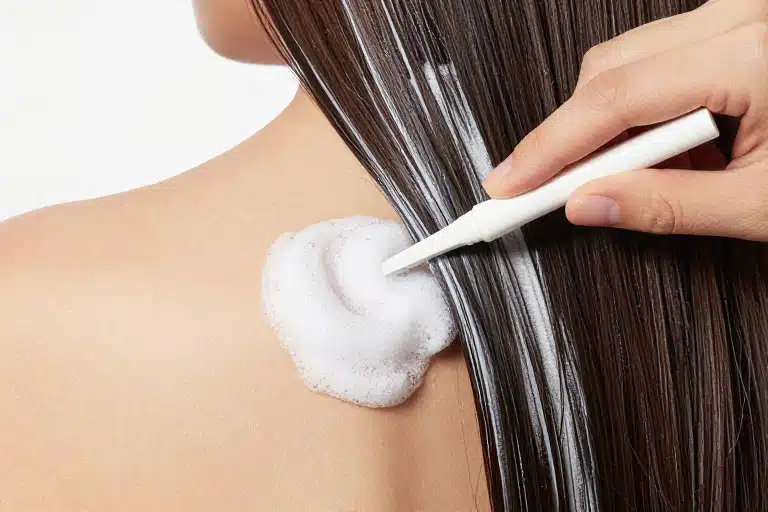
피부에서 염색약을 제거하는 방법: 당신이 필요한 유일한 가이드
이 모습을 상상해 보세요.
당신은 방금 머리를 염색했습니다. 새로운 색상을 사용했습니다. 매우 멋집니다. 당신의 머리는 빛납니다. 당신은 행복합니다. 새로운 사람처럼 느낍니다.

 English
  German
  Russian
  Spanish
  Korean
  French
  Japanese