
Choosing the Right Cosmetic Manufacturer: Your Guide to a Beautiful Partnership in the Beauty Industry
In the dynamic and competitive 뷰티 산업, partnering with the right cosmetic manufacturer is paramount to the success of your 화장품 비즈니스. Whether you are a budding private label brand or an established brand owner looking to expand your product lines, the quality and reliability of your 화장품 제조 partner can make or break your brand. This comprehensive guide delves into the essential aspects of choosing a cosmetics manufacturer을 사용하여 제품 품질, navigating the 화장품 제조 프로세스, and building a strong, collaborative relationship for long-term success. Read on to discover how to make informed decisions that will help your 화장품 브랜드 thrive and deliver 고품질 제품 to your customers.
Why Your Cosmetic Manufacturer is Your Business Partner: Beyond Just a Supplier
In the intricate 화장품 산업, your relationship with a cosmetic manufacturer transcends a simple buyer-seller dynamic. They are, in essence, a critical business partner, deeply intertwined with the success and reputation of your cosmetics business. Brand owners who recognize this symbiotic relationship and approach it strategically are far more likely to flourish. Working with cosmetics involves entrusting a significant portion of your 제품 품질 and brand image to your chosen manufacturer or supplier.
그리고 cosmetic manufacturer is not merely a processing factory; they are an extension of your 브랜드. They are responsible for translating your vision into tangible 화장품s, upholding your 품질 표준, and ensuring that the products are safe 귀하의 타겟 시장. A strong partnership with a reliable 제조업체 allows you to focus on other crucial aspects of your cosmetics business와 같은 마케팅 전략, 온라인 스토어 management, and develop new products that meet evolving consumer demands. Therefore, choosing a cosmetic 제조업체 should be approached with the same diligence and strategic thinking as selecting a key executive for your own company. The right manufacturing partner can help your business reach new heights, while a poor choice can lead to significant setbacks and damage your brand image on the marketplace.
Understanding the Different Types of Cosmetic Manufacturing: OEM, ODM, and 개인 상표
의 세계 탐색하기 화장품 제조 requires understanding the different operational models manufacturers offer. The three primary models are OEM, ODM, and 개인 상표, each presenting distinct advantages and considerations for brand owners:
OEM (Original Equipment Manufacturer): In the OEM model, you, as the brand owner, provide the 화장품 디자인, product specifications, and formulations to the cosmetic manufacturer. . 제조업체 then producing cosmetic products strictly according to your instructions. You retain complete control over the product specifications and intellectual property. OEM is ideal for makeup brands 그리고 스킨케어 companies with proprietary formulas and established product lines. However, it typically requires a higher level of involvement and technical expertise from the brand owner.
ODM (Original Design Manufacturer): ODM 화장품 제조업체 offer a more comprehensive service. They not only manufacture cosmetic products but also provide product design, formulation, and packaging development services. You can select from a 제품 범위 already designed by the ODM or collaborate with them to customize existing formulations. ODM is a good option for cosmetics businesses looking for faster product lines development and reduced R&D investment. It allows for greater flexibility and can be particularly beneficial for starting a cosmetics business with limited in-house product development capabilities.
개인 상표 (White Label): Private label manufacturing offers the most streamlined approach. 화장품 제조업체 offering private label services have pre-formulated and pre-packaged 화장품 제품 that are ready to be branded with your private label brand. You essentially choose from their existing product lines and market them under your own brand name. Private label cosmetics are a fast and cost-effective way to launch a cosmetics business or expand your 제품 제공. It’s particularly suitable for businesses focused on branding and 마케팅 전략 rather than product innovation. White label 그리고 비공개 라벨 are often used interchangeably in the 화장품 산업.
선택 right cosmetics 제조 model depends heavily on your 비즈니스 요구 사항, resources, and long-term strategic goals. Carefully consider your level of in-house expertise, desired control over product development, budget, and speed-to-market requirements when choosing a cosmetic 제조업체 and their operational model.
Finding the Right 화장품 제조업체: Where and How to 출처 Potential Partners?
출처ing reliable and reputable 화장품 제조업체 is a critical step in starting a cosmetics business or expanding your existing product lines. The internet and the globalized 화장품 산업 offer numerous avenues to look for manufacturers. Here are some effective strategies to 출처 potential manufacturers:
Online Directories and Platforms: Utilize online directories specializing in cosmetic suppliers 그리고 cosmetic manufacturing companies. Platforms like Alibaba, ThomasNet, and IndustryNet list numerous cosmetics manufacturers in China and globally, allowing you to search based on 제품 카테고리, services offered (OEM, ODM, 개인 상표), and location. These platforms often provide company profiles, certifications, and product lines information.
Trade Shows and Industry Events: Attending 화장품 산업 trade shows and exhibitions, such as Cosmoprof, MakeUp in Paris, and in-cosmetics, provides invaluable face-to-face interaction with potential manufacturers. Trade shows allow you to assess 제품 품질 firsthand, discuss your specific requirements directly with manufacturers offering various cosmetic care or makeup solutions, and build personal connections. These events are also excellent for staying abreast of the latest trends and innovations in 화장품 제조.
Industry Associations and Referrals: Leverage industry associations related to 화장품 and personal 케어 제품. Organizations like the Personal Care Products Council (PCPC) and Cosmetics Europe often have member directories that can lead you to reputable 화장품 제조업체. Seeking referrals from other brand owners in your network or industry consultants can also provide valuable leads and insights into reliable 제조업체.
Online Research and Due Diligence: Once you have identified potential manufacturers, conduct thorough online research. Examine their websites, read 고객 리뷰 and testimonials, and check for any industry recognitions or awards. Pay close attention to their certifications, 품질 관리 systems, and stated commitment to 품질 및 안전. Don’t hesitate to reach out to 제조업체 directly to request brochures, samples, and further information about their capabilities and 제조 공정es.
Choosing a cosmetics manufacturer requires diligent research and a multi-faceted approach. Combine online 출처ing with offline networking and thorough due diligence to identify manufacturers with a strong track record, compatible capabilities, and a commitment to meeting your specific product requirements 그리고 품질 표준.
Key Criteria for Choosing a Cosmetic Manufacturer: What to Look for in Cosmetics Factories?
Choosing a cosmetics manufacturer is a decision that significantly impacts your 브랜드‘s future. It’s not solely about finding the cheapest option; it’s about securing a partner who can consistently deliver 고품질 제품 that align with your 브랜드 values and 타겟 시장. Here are key criteria to evaluate when look for in cosmetics 제조업체s:
Certifications and Compliance with Cosmetic Regulations: A reputable cosmetic manufacturer should possess relevant certifications demonstrating compliance with international 품질 표준 그리고 cosmetic regulations, such as ISO 22716 (Cosmetics GMP) and certifications from organizations like the FDA (if applicable to your 타겟 시장). Ensure that the factory adheres to Good Manufacturing Practices (GMP) to ensure that the products are safe and produced under controlled conditions. Compliance demonstrates the 제조업체‘s commitment to 품질 및 안전 and reduces the risk of regulatory issues.
품질 관리 Systems and 품질 관리 Processes: Inquire about the 제조업체's 품질 관리 시스템 및 품질 관리 (QC) 프로세스es. A robust 품질 관리 system, like ISO 9001, indicates a structured approach to quality assurance. Ensure that the factory has a comprehensive QC 프로세스 in place, covering 원재료 inspection, in-process 품질 관리, and finished 제품 품질 testing. A commitment to rigorous 품질 관리 is paramount to ensure product quality and consistency.
Manufacturing Capabilities and Capacity: Assess the 제조업체's 제조 공정 capabilities and capacity to ensure they can meet your current and future product requirements and volume demands. Consider their equipment, technology, and production capacity. If you plan to expand your product lines or scale up your cosmetics business, choose a manufacturer with the capacity to grow with you. Confirm if they can handle the 제품 범위 you intend to offer and if they can produce products simultaneously 필요한 경우
Research and Development (R&D) and Innovation: For brand owners seeking to develop new products and stay ahead of 뷰티 산업 trends, a 제조업체 with strong R&D capabilities is a significant asset. Inquire about their R&D team, formulation expertise, and ability to innovate and create unique 화장품s. A 제조업체 that invests in R&D can help your cosmetics brand stand out in a crowded market.
Communication and Collaboration: Effective communication is crucial for a successful partnership. Choose a manufacturer that is responsive, communicative, and willing to collaborate closely with you throughout the 제조 공정. Clear communication channels, regular updates, and a proactive approach to problem-solving are essential for a smooth workflow.
Pricing and Minimum Order Quantities (MOQs): Obtain clear and transparent pricing information and understand the 제조업체‘s Minimum Order Quantities (MOQs). Ensure that their prices for your cosmetics align with your budget and that MOQs are feasible for your 비즈니스 요구 사항, especially when starting a cosmetics business. Negotiate pricing and MOQs that are mutually beneficial for a sustainable partnership.
Thoroughly evaluating potential manufacturers based on these key criteria will help you make an informed decision and choose a manufacturer that is the right cosmetics manufacturing partner 귀하의 브랜드. Remember, the 제조업체 you select will play a vital role in shaping the 제품 품질 and ultimately, the success of your cosmetics business.
Ensuring 제품 품질 and Safety: Implementing Robust 품질 관리 Measures
Product quality and safety are non-negotiable in the 화장품 산업. Consumers expect 케어 제품 그리고 스킨 케어 제품 to be effective, safe for use, and consistently meet 품질 표준. Implementing robust 품질 관리 (QC) measures throughout the 제조 공정 is paramount to ensure product quality and safeguard your 브랜드 평판. Quality management is not just a department, it’s a philosophy that must permeate every aspect of producing cosmetic products.
Importance of 품질 관리 at Every Stage of the Manufacturing Process: 품질 관리 should not be an afterthought or a final inspection step. It needs to be integrated into every product stage, from 원재료 출처ing to finished goods. A proactive and preventative approach to 품질 관리 is far more effective than reactive measures. Ensure that the factory understands and implements 품질 관리 at each step to minimize errors and maintain consistency.
Raw Material Inspection and Testing: The foundation of 제품 품질 lies in the 품질 의 원재료s. Implement rigorous inspection and testing protocols for all incoming 원재료s. Verify Certificates of Analysis (COAs) from 원재료 공급업체s and conduct your own testing to confirm identity, purity, and compliance with specifications. Using 고품질 원재료s from trusted 출처s is the first line of defense in ensure product quality.
In-Process 품질 관리: 품질 관리 checkpoints should be embedded throughout the 생산 프로세스. This includes monitoring critical parameters like mixing times, temperatures, pH levels, and viscosity at various stages of making products. Regular in-process checks allow for early detection of deviations and timely corrective actions, preventing costly errors and ensuring consistency across batches.
Finished 제품 품질 Testing: Comprehensive testing of finished 화장품 batches is essential to verify that they meet their quality standards 그리고 product requirements. This testing should include physical-chemical tests (e.g., pH, viscosity, stability testing), microbiological testing (to ensure that the products are safe from harmful microorganisms), and sensory evaluations (e.g., color, odor, texture). Retain batch samples for future reference and traceability.
Sample Testing and Batch Consistency: Regular sample testing throughout the 생산 프로세스 and of finished batches is crucial for ensure product quality and batch-to-batch consistency. Implement a robust sampling plan and utilize statistically sound sampling techniques. Compare samples against pre-defined product specifications 그리고 품질 표준. Batch consistency is vital for maintaining 고객 리뷰 satisfaction and 브랜드 trust.
Implementing a comprehensive 품질 관리 system and rigorous 품질 관리 measures is an investment in your 브랜드‘s long-term success. It demonstrates your commitment to 품질 및 안전, builds 고객 리뷰 confidence, and minimizes the risk of costly recalls or damage to your 브랜드 reputation. Working closely with your cosmetic manufacturer to establish and maintain these robust 품질 관리 프로세스es is a cornerstone of successful cooperation.
탐색 Cosmetic Manufacturing Process: From Formulation to Finished Goods
이해 cosmetic manufacturing process 제공 brand owners with valuable insight into the complexities involved in producing cosmetic products and allows for more effective communication and collaboration with their cosmetic manufacturer. . 제조 공정 에 대한 various cosmetic products, whether care or makeup, generally follows a similar sequence of stages:
Formulation and Development: This initial stage involves defining your product concept, desired benefits, target 피부 타입, and key ingredients. Formulation chemists at the cosmetic manufacturer then develop new products or adapt existing formulas to meet your specific requirements. This may involve bench-top formulation, stability testing, and efficacy testing. The formulation stage is crucial for defining the product specifications and ensuring the 화장품 performs as intended.
Raw Material 출처ing and Procurement: Once the formulation is finalized, the cosmetic manufacturer 출처s and procures all the necessary 원재료s. This includes active ingredients, excipients, preservatives, fragrances, colorants, and packaging components. Raw material 출처ing involves selecting qualified 공급업체s, negotiating prices for your cosmetics을 사용하여 원재료 품질, and managing lead times. A reliable supply chain 에 대한 원재료s is critical for uninterrupted 생산 프로세스es.
믹싱 및 블렌딩: This is the core 제조 공정 step where 원재료s are combined and blended according to the finalized formulation. Cosmetic manufacturing often involves multiple mixing stages, using specialized equipment like mixers, homogenizers, and emulsifiers. Precise control of mixing parameters (time, speed, temperature) is essential to achieve the desired texture, consistency, and stability of the 화장품. This stage is where the art and science of making products truly come together.
충전 및 포장: Once the bulk 화장품 is manufactured and passes 품질 관리 checks, it is transferred to filling lines. Automated filling machines dispense precise amounts of the 제품 into primary packaging containers (bottles, jars, tubes, etc.). The filled containers are then sealed, labeled, and prepared for secondary packaging (boxes, cartons). Packaging design and material selection are crucial for 제품 protection, aesthetics, and 브랜드 appeal.
Labeling and Compliance: Before finished 화장품s can be released for sale, they must be properly labeled and comply with all relevant cosmetic regulations 의 타겟 시장. This includes ingredient labeling, warnings, usage instructions, batch codes, and regulatory compliance markings. Accurate and compliant labeling is essential for legal compliance and consumer safety.
Understanding each stage of the cosmetic manufacturing process 허용 brand owners to better appreciate the expertise and resources required to producing cosmetic products. It also facilitates more informed communication with your cosmetic manufacturer and enables you to actively participate in 품질 관리 그리고 ensure the product meets your expectations.
Streamlining Your Cosmetic Supply Chain: Building an Efficient Workflow
A well-optimized supply chain is the backbone of a successful cosmetics business. It encompasses all the activities involved in 출처ing 원재료s, 화장품 제조, packaging, warehousing, and distributing finished products to your customers. A streamlined supply chain ensures efficient operations, minimizes production costs, reduces lead times, and enhances responsiveness to market demands. Effectively managing your supply chain is crucial for help your business run your business smoothly and profitably.
Importance of a Well-Managed Supply Chain 에서 화장품 산업: 그리고 화장품 산업 is characterized by complex supply chains involving numerous 원재료s, specialized 제조 공정es, and diverse distribution channels. A poorly managed supply chain can lead to delays, increased costs, 제품 품질 issues, and ultimately, dissatisfied customers. A well-managed supply chain, on the other hand, provides a competitive advantage, enabling you to deliver 고품질 제품 efficiently and cost-effectively.
Communication and Coordination with Your Cosmetic Manufacturer: Seamless communication and coordination with your cosmetic manufacturer are paramount for supply chain efficiency. Establish clear communication channels, schedule regular meetings, and share forecasts and production plans proactively. Open communication allows for early identification of potential issues, timely problem-solving, and collaborative supply chain optimization.
Inventory Management and Forecasting: Effective inventory management is crucial for balancing 제품 availability with minimizing holding costs. Implement robust inventory tracking systems and develop accurate demand forecasting models. Share your forecasts with your cosmetic manufacturer to enable them to plan 원재료 procurement and 생산 프로세스es accordingly. Just-in-time inventory management techniques can help reduce 창고 costs and improve supply chain agility.
Logistics and Shipping: Efficient 물류 and shipping are essential for delivering products to your customers on time and in good condition. Optimize your shipping routes, select reliable logistics partners, and negotiate favorable shipping rates. Consider using Mercado Envíos or similar integrated shipping solutions offered by 전자상거래 플랫폼 if you 판매 시작 온라인. Real-time tracking of shipments enhances transparency and customer satisfaction.
Addressing Potential Supply Chain Disruptions and Building Resilience: Supply chains are vulnerable to various disruptions, such as natural disasters, geopolitical events, and 원재료 shortages. Develop contingency plans to mitigate potential risks. This may involve diversifying 원재료 출처s, maintaining safety stock levels, and establishing backup manufacturing partners. Building supply chain resilience ensures business continuity and minimizes the impact of unforeseen disruptions.
Streamlining your cosmetic supply chain requires a holistic approach, encompassing efficient communication, proactive planning, and robust risk management. Working closely with your cosmetic manufacturer as a strategic partner to optimize your supply chain will significantly contribute to the overall success and profitability of your cosmetics business.
이해 Cosmetics Contract: Key Terms and Legal Considerations
A comprehensive and legally sound cosmetics contract is indispensable when working with cosmetics 제조업체s. This legally binding agreement outlines the terms and conditions of your partnership, protecting both your interests and those of the 제조업체. A well-drafted cosmetics contract provides clarity, minimizes misunderstandings, and serves as a framework for a successful and mutually beneficial long-term relationship. Seeking legal counsel to review and customize your cosmetics contract is a prudent investment.
The Importance of a Legally Sound Cosmetics Contract: A verbal agreement or a loosely defined understanding is insufficient and risky in the 화장품 산업. A legally sound cosmetics contract provides a clear framework for your cooperation, outlining responsibilities, obligations, and remedies in case of disputes. It protects your intellectual property, ensures 제품 품질, and establishes clear expectations for both parties. A robust cosmetics contract is a cornerstone of a professional and reliable business relationship.
제품 사양 그리고 Quality Standards: Clearly define product specifications 그리고 품질 표준 에서 cosmetics contract. This includes detailed descriptions of the 화장품s, formulations, ingredients, packaging requirements, and acceptable 품질 관리 parameters. Specify the quality standards in the 화장품 industry that the 제조업체 must adhere to and the testing methods to be used for ensure product quality. Precise product specifications minimize ambiguity and provide a benchmark for 품질 관리.
Payment Terms and Schedules: Outline payment terms and schedules clearly in the 화장품 contract. Specify the currency, payment methods, payment milestones (e.g., upon order placement, upon shipment, upon delivery), and any penalties for late payments. Clear payment terms prevent financial disputes and ensure timely compensation for the 제조업체’s services.
Confidentiality and Intellectual Property: Protect your confidential information and intellectual property rights by including robust confidentiality clauses in the cosmetics contract. This is particularly crucial if you are sharing proprietary formulations or innovative 제품 designs with the 제조업체. Clearly define ownership of intellectual property rights related to the 화장품s and ensure that the 제조업체 is legally bound to protect your confidential information.
Liability and Indemnification: Address liability and indemnification clauses in the cosmetics contract to clarify each party’s responsibilities for potential risks and liabilities. This includes product liability issues, regulatory non-compliance, and breaches of contract. Indemnification clauses outline which party will be responsible for covering losses or damages in specific scenarios. Clear liability provisions protect both brand owners 그리고 제조업체 from undue financial burdens.
Dispute Resolution Mechanisms: Include dispute resolution mechanisms in the cosmetics contract to outline the process for resolving any disagreements that may arise during the partnership. This may include negotiation, mediation, or arbitration clauses. Specifying a dispute resolution process upfront can save time, resources, and legal costs in the event of a conflict.
A well-drafted cosmetics contract is not just a formality; it is a vital tool for establishing a strong, transparent, and legally sound partnership with your cosmetic manufacturer. It protects your business interests, minimizes risks, and lays the foundation for a successful and long-lasting collaboration. Always prioritize legal review and customization of your cosmetics contract to ensure it adequately addresses your specific 비즈니스 요구 사항 and protects your cosmetics business.
Building a Long-Term, Successful Partnership with Your Cosmetic Manufacturer
While a robust cosmetics contract provides a legal framework, building a truly successful partnership with your cosmetic manufacturer requires more than just contractual obligations. It necessitates cultivating a relationship based on trust, open communication, mutual respect, and a shared commitment to 제품 품질 and business success. A long-term, collaborative partnership offers numerous benefits, including enhanced efficiency, improved 제품 품질, and greater innovation potential. Work with a manufacturer to build a strong partnership.
The Value of a Strong, Collaborative Relationship: Treat your cosmetic manufacturer as a strategic partner, not just a transactional 공급업체. A collaborative relationship fosters mutual understanding, encourages open communication, and promotes joint problem-solving. When brand owners 그리고 제조업체 work together as a team, they can achieve far greater results than by operating in silos. A strong partnership translates to smoother operations, better 제품 품질, and increased profitability for both parties.
Open and Transparent Communication: Establish open and transparent communication channels from the outset. Regularly communicate your expectations, provide clear feedback, and actively listen to your 제조업체‘s perspectives and concerns. Transparency builds trust and allows for proactive identification and resolution of potential issues. Frequent and honest communication is the lifeblood of a successful partnership.
Regular Meetings and Performance Reviews: Schedule regular meetings with your cosmetic manufacturer to discuss ongoing projects, review 제품 품질 performance, address any challenges, and plan for future collaborations. Conduct periodic performance reviews to assess the partnership’s effectiveness and identify areas for improvement. Regular reviews demonstrate your commitment to continuous improvement and strengthen accountability.
Mutual Respect and Understanding: Treat your cosmetic manufacturer with respect and acknowledge their expertise and contributions. Understand their operational constraints, cultural nuances, and business experiences. A relationship built on mutual respect and understanding fosters goodwill, encourages collaboration, and creates a more positive and productive working with cosmetics environment.
Adapting to Changing Market Demands Together: 그리고 화장품 산업 is constantly evolving, with changing consumer preferences, emerging trends, and new regulatory requirements. A strong partnership allows you and your cosmetic manufacturer to adapt to these changes proactively and collaboratively. Work together to develop new products, optimize existing formulations, and implement innovative 마케팅 전략 to stay ahead of the competition and meet evolving market demands.
Building a long-term, successful partnership with your cosmetic manufacturer is an ongoing process that requires consistent effort, open communication, and a commitment to mutual success. By fostering a collaborative and respectful relationship, you can unlock significant benefits, enhance 제품 품질, and propel your cosmetics business to greater heights.
Troubleshooting Common Challenges in Cooperating with 화장품 제조업체
Even with the best intentions and a well-defined cosmetics contract, challenges can arise in cooperating with 화장품 제조업체. Being prepared for potential issues and having strategies to address them is crucial for maintaining a smooth and productive partnership. Here are some common challenges and troubleshooting tips:
Communication Barriers and Cultural Differences: If you are working with cosmetics 제조업체s internationally, particularly with cosmetics manufacturers in China or other regions with different cultural norms, communication barriers and cultural differences can sometimes pose challenges. Address this by using clear and concise language, utilizing visual aids when possible, and being mindful of cultural sensitivities. Consider working with a translator or cultural liaison if necessary. Patience and cultural sensitivity are key to overcoming communication hurdles.
제품 품질 Issues and Non-Conformances: Despite rigorous 품질 관리 조치를 취합니다, 제품 품질 issues or non-conformances may occasionally occur. Establish a clear protocol for addressing product is faulty batches. Communicate 제품 품질 concerns promptly and provide specific details and evidence. Work collaboratively with your 제조업체 to identify the root cause of the issue, implement corrective actions, and prevent recurrence. A proactive and collaborative approach to resolving 제품 품질 issues strengthens the partnership and ensure product quality.
Supply Chain Delays and Disruptions: Supply chain delays and disruptions are unfortunately a reality in today’s interconnected world. Mitigate potential delays by maintaining open communication with your 제조업체 regarding lead times and 원재료 availability. Develop contingency plans, such as identifying alternative 원재료 출처s or having backup manufacturing partners. Proactive supply chain management and diversification can minimize the impact of disruptions.
Pricing and Cost Fluctuations: Production costs 에서 화장품 산업 can fluctuate due to changes in 원재료 prices, labor costs, and currency exchange rates. Establish clear pricing agreements in your cosmetics contract and discuss potential cost fluctuations openly with your 제조업체. Explore strategies to mitigate cost increases, such as negotiating long-term contracts, optimizing formulations, or exploring alternative 원재료 출처s. Transparent communication about pricing and cost management is essential for maintaining a healthy financial relationship.
Ethical and Social Responsibility Considerations: In today’s socially conscious marketplace, ethical and social responsibility considerations are increasingly important. Ensure that the factory adheres to ethical labor practices, environmental sustainability standards, and responsible 원재료 출처ing. Conduct factory audits or request certifications related to ethical and sustainable 제조 공정es. Aligning with a 제조업체 that shares your ethical values enhances your 브랜드 reputation and resonates with today’s consumers.
Addressing challenges proactively, maintaining open communication, and fostering a collaborative problem-solving approach are essential for navigating the inevitable bumps in the road when cooperating with 화장품 제조업체. A strong partnership, built on trust and mutual respect, can weather challenges and emerge even stronger.
Relevant Data, Case Studies, and Statistics Regarding Cooperating with Cosmetics Factories
| 데이터 포인트 | 출처 | Relevance to Cooperating with Cosmetics Factories |
|---|---|---|
| The global cosmetics contract manufacturing market is projected to reach \$79 billion by 2027. | Allied Market Research | Demonstrates the significant and growing reliance of the cosmetics industry on contract manufacturing and the vast opportunities for cooperation. |
| Quality issues are a major concern for cosmetics brand owners when working with manufacturers. | Industry Surveys | Highlights the critical importance of robust quality control and due diligence in selecting and cooperating with cosmetic factories to ensure product safety and brand reputation. |
| Supply chain disruptions can significantly impact cosmetic product launches and availability. | Cosmetics Business Reports | Underscores the need for effective supply chain management and communication with manufacturers to mitigate risks and ensure timely product delivery. |
| Transparency and communication are key to successful manufacturer-brand owner relationships. | Interviews with Cosmetics Brand Owners | Emphasizes the importance of open communication, mutual understanding, and collaborative problem-solving for building strong and lasting partnerships with cosmetic factories. |
Key Takeaways: 10 Essential Steps for Successful Cooperation with 화장품 제조업체
- Treat Your Manufacturer as a Partner: Foster a collaborative and mutually beneficial relationship, not just a transactional one.
- Choose the Right Manufacturing Model: Select OEM, ODM, or 개인 상표 귀하의 비즈니스 요구 사항 and resources.
- Conduct Thorough Due Diligence: Vigorously research and vet potential manufacturers based on certifications, 품질 관리, capabilities, and communication.
- Prioritize 제품 품질 and Safety: Implement robust 품질 관리 measures throughout the 제조 공정 그리고 ensure product quality meets the highest standards in the cosmetics industry.
- 이해 Manufacturing Process: Gain insights into the stages of 화장품 제조 to facilitate more informed communication and 품질 관리.
- Streamline Your Supply Chain: 최적화 supply chain for efficiency, transparency, and resilience, working closely with your 제조업체.
- Draft a Comprehensive Cosmetics Contract: Ensure a legally sound 화장품 contract that clearly outlines product specifications, payment terms, confidentiality, and liability.
- Communicate Openly and Transparently: Establish clear communication channels, schedule regular meetings, and proactively share information with your 제조업체.
- Build a Strong Seller Reputation System: 우수한 고객 서비스를 제공하고 정확한 리스팅을 유지하세요.
- Address Challenges Collaboratively: Be prepared to troubleshoot potential issues proactively, maintain open communication, and work jointly with your 제조업체 to find solutions.
By diligently following these essential steps, you can navigate the complexities of cooperating with 화장품 제조업체 and build a thriving cosmetics business that delivers 고품질 제품 and earns the trust and loyalty of your customers. Remember, choosing a cosmetics manufacturer is a long-term strategic decision that requires careful consideration, proactive communication, and a commitment to building a strong and mutually beneficial partnership.

부칼라팍에서 화장품을 판매하는 방법은 무엇인가요?
인도네시아의 급성장하는 이커머스 시장은 기업에게 많은 기회를 제공하며, 부칼라팍은 이 역동적인 시장에서 핵심적인 역할을 하고 있습니다.
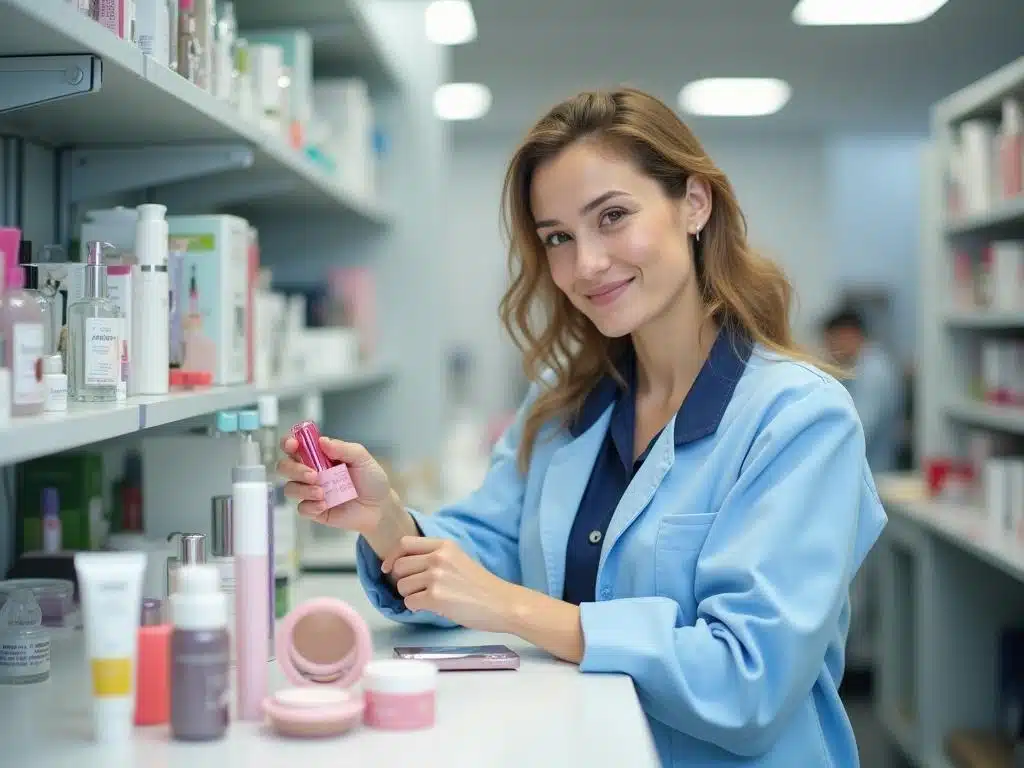
화장품 공장과 협력하는 방법?
역동적이고 경쟁이 치열한 뷰티 업계에서 화장품 비즈니스의 성공을 위해서는 올바른 화장품 제조업체와 파트너 관계를 맺는 것이 무엇보다 중요합니다.

임신 중에 머리를 염색할 수 있나요? 안전한 가이드
임신 중인가요? 머리를 염색하고 싶나요? 당신은 혼자가 아닙니다. 많은 엄마들이 이 문제에 대해 걱정합니다. 안전할까요? 아기에게 해가 될까요? 확인해 봅시다.
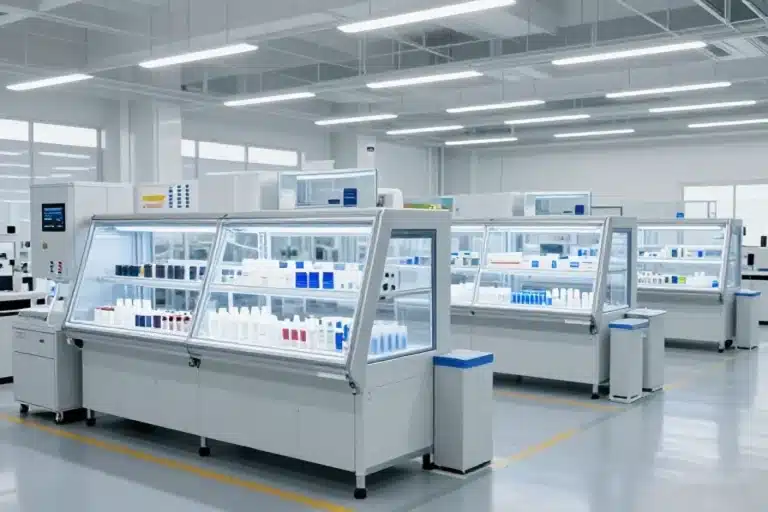
중국에서 신뢰할 수 있는 화장품 OEM 제조사를 선택하는 방법
중국에서 좋은 메이크업 제조사를 고르는 방법: 당신을 위한 가이드.
당신은 아이디어를 가지고 있습니다.
새로운 페이스 크림. 새로운 헤어 스프레이. 새로운 네일 컬러.
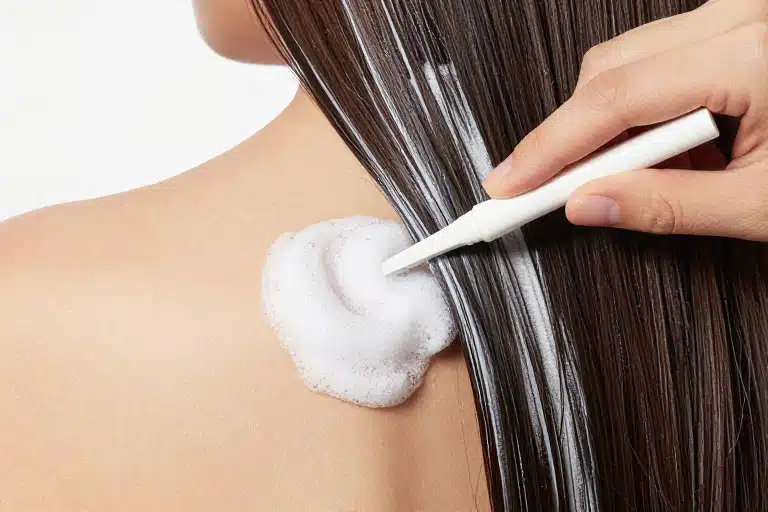
피부에서 염색약을 제거하는 방법: 당신이 필요한 유일한 가이드
이 모습을 상상해 보세요.
당신은 방금 머리를 염색했습니다. 새로운 색상을 사용했습니다. 매우 멋집니다. 당신의 머리는 빛납니다. 당신은 행복합니다. 새로운 사람처럼 느낍니다.

 EN
EN  DE
DE  RU
RU  ES
ES  KO
KO  FR
FR  JA
JA