
Decoding the Gold Standard: What You Need to Know About Quality Control in Cosmetics
그리고 화장품 산업 is a dynamic and ever-growing market, offering a vast array of products designed to enhance beauty and personal care. But behind every 화장품 lies a critical process that ensures its 안전 및 품질 for consumers: 품질 관리. Quality control in cosmetics is a multifaceted discipline that encompasses everything from 원재료 selection to 최종 제품 테스트. This comprehensive guide explores the vital role of 품질 관리 에서 화장품 산업, uncovering the 모범 사례, rigorous 테스트 방법, and regulations that 화장품 회사 must adhere to. We will delve into the 품질 관리에 대해 알아야 할 사항 에 대한 화장품 및 cosmetic manufacturing process. Whether you’re a 화장품 professional, a consumer, or simply curious about how your favorite products are made, this article will provide valuable insights into the rigorous world of 화장품 품질 관리.
무엇 품질 관리 and Why is it Important in the 화장품 산업?
품질 관리 (QC) is a systematic process used to ensure that a product or service meets defined 품질 표준 and customer requirements. In the 화장품 산업, 품질 관리 is of paramount importance because it directly impacts the safety, efficacy, and overall 품질 의 화장품 제품. Quality control of cosmetic products is crucial. It involves implementing procedures and conducting tests throughout the entire 제조 공정에서 원재료 sourcing to finished product distribution. The 화장품 부문 is subject to stringent regulations, making 품질 관리 even more critical.
그리고 품질 관리의 중요성 in 화장품 stems from several factors:
- Consumer Safety: 화장품 제품 are applied directly to the skin, hair, and nails, and can be absorbed into the body. Rigorous quality control measures are essential to 보장 that products are safe for their intended use and do not contain harmful ingredients or contaminants that could cause adverse reactions, such as skin irritation, allergies, or more serious health problems.
- Product Efficacy: 품질 관리 에 도움이 됩니다. 보장 그 화장품 제품 perform as intended and deliver the promised benefits. This includes verifying the concentration of active 화장품 성분, ensuring proper formulation, and conducting 안정성 테스트 to confirm the product’s 유통 기한.
- 규정 준수: 그리고 화장품 산업 is subject to a complex web of regulations and standards that vary by country and region. 품질 관리 systems help 화장품 제조업체 comply with these regulatory requirements, avoiding legal issues, penalties, and product recalls. 화장품은 다음을 준수해야 합니다. meet all relevant safety regulations.
- Brand Reputation and Consumer Trust: Consistent 제품 품질 is essential for building and maintaining a positive brand reputation and fostering consumer trust. 품질 관리 helps to prevent quality issues that could damage a brand’s image and erode customer loyalty.
Quality control in the cosmetics industry is not just about meeting minimum standards; it’s about striving for excellence and exceeding consumer expectations. Effective 품질 관리 는 다음과 같은 경우에 필수적입니다. 화장품 companies to thrive in a competitive market. It also promotes cosmetic safety.
의 역할 우수 제조 관리 기준(GMP) in 화장품 품질 관리
우수 제조 관행 (GMP)는 제조업체가 다음을 위해 충족해야 하는 최소 요구 사항을 설명하는 일련의 지침입니다. 보장 that their products are consistently 고품질안전하며 용도에 맞는 제품입니다. GMP 에서 생산의 모든 측면을 다룹니다. 원자재 and premises to equipment, personnel training, and hygiene. It is a cornerstone of 품질 관리 in many industries, including cosmetics. Cosmetic manufacturing must follow good manufacturing practices.
In the 화장품 산업, GMP 가이드라인은 다음과 관련된 특정 문제를 해결합니다. 화장품 products, such as:
- 오염 방지: GMP provides detailed procedures for cleaning and sanitizing equipment, preventing cross-contamination between different products, and controlling the manufacturing environment to minimize the risk of microbial, chemical, or physical contamination. This is essential.
- 원자재 품질 보장: GMP requires 화장품 제조업체 to establish specifications for all 원자재 and to verify that incoming materials meet these specifications through appropriate testing. Suppliers must be carefully vetted.
- 제조 프로세스 제어: GMP 가이드라인은 각 단계에 대한 절차를 설명합니다. 제조 공정재료 계량 및 혼합에서 충전 및 포장에 이르기까지 최종 제품. 이는 다음과 같은 도움이 됩니다. 규정 준수 보장.
- 직원 교육: GMP emphasizes the importance of training all personnel involved in 화장품 제조 그리고 품질 관리 에 보장 업무를 올바르게 수행하는 데 필요한 기술과 지식을 갖추고 있습니다.
- 문서화 및 추적성: GMP 모든 제조 및 품질 관리 활동을 통해 각 제품 배치에 대한 추적이 가능합니다. 원자재 and manufacturing history. This is important for quality investigations and audits.
다음 사항 준수 GMP principles is not only a 모범 사례 but often a 법적 요구 사항 에 대한 화장품 제조업체 in many countries. Regulatory bodies, such as the FDA in the U.S. and the European Commission in the EU, have established GMP 에 대한 가이드라인 화장품, and they conduct inspections to 보장 규정 준수. Implementing GMP 도움말 화장품 회사 보장 의 안전 및 품질 of their products, meet regulatory obligations, and build consumer trust. The 화장품 산업 utilizes GMP 를 사용하여 quality of cosmetic products.
Cosmetic Product Testing: A Deep Dive into the Methods
화장품 테스트 is a vital component of quality control in cosmetics. It involves conducting a variety of tests on 원자재, in-process samples, and finished products to verify their safety, quality, efficacy및 규정 준수 with relevant standards and regulations. Testing for cosmetic products 가 중요합니다. 화장품 테스트 광범위한 테스트 방법를 포함합니다:
- 미생물학적 테스트: 화장품 제품 must be free from harmful microorganisms that could cause spoilage or pose a risk to consumer health. Microbial testing involves testing products for the presence of bacteria, yeast, and mold, as well as specific pathogens. This helps ensure product safety.
- 안정성 테스트: 안정성 테스트 is conducted to determine the 유통 기한 of a 화장품 and to 보장 that it maintains its intended physical, chemical, and microbiological quality under various storage conditions. This typically involves storing product samples at different temperatures and humidity levels for a set period and then testing them at regular intervals. These tests also help to 규정 준수 보장 규정을 준수합니다.
- Preservative Efficacy Testing (PET): Also known as challenge testing, PET assesses the effectiveness of a product’s preservative system in preventing microbial growth during its intended use and 유통 기한. 다음과 같은 도움이 됩니다. 보장 that the product will remain safe for use throughout its lifespan.
- 화학 테스트: 화학 테스트 is used to verify the identity, purity, and concentration of ingredients in 화장품 products. This can involve techniques such as chromatography, spectroscopy, and titration.
- 물리적 테스트: Physical 테스트 evaluates the physical properties of a 화장품, such as its viscosity, pH, color, odor, texture, and density. These properties can affect the product’s performance, stability, and consumer acceptance.
- 안전 테스트: 안전 테스트 aims to 보장 that a 화장품 is safe for its intended use and will not cause adverse reactions, such as 피부 자극, sensitization, or phototoxicity. Traditionally, some safety tests involved 동물 실험, but there is a growing movement towards alternative, non-animal 테스트 방법, such as in vitro tests using cell cultures or reconstructed human tissues. Many countries have now banned 동물 실험 에 대한 화장품.
- 성능 테스트: 성능 테스트, also known as efficacy 테스트, evaluates whether a 화장품 delivers its claimed benefits, such as moisturizing, anti-aging, or sun protection. This may involve instrumental measurements, consumer perception studies, or clinical trials.
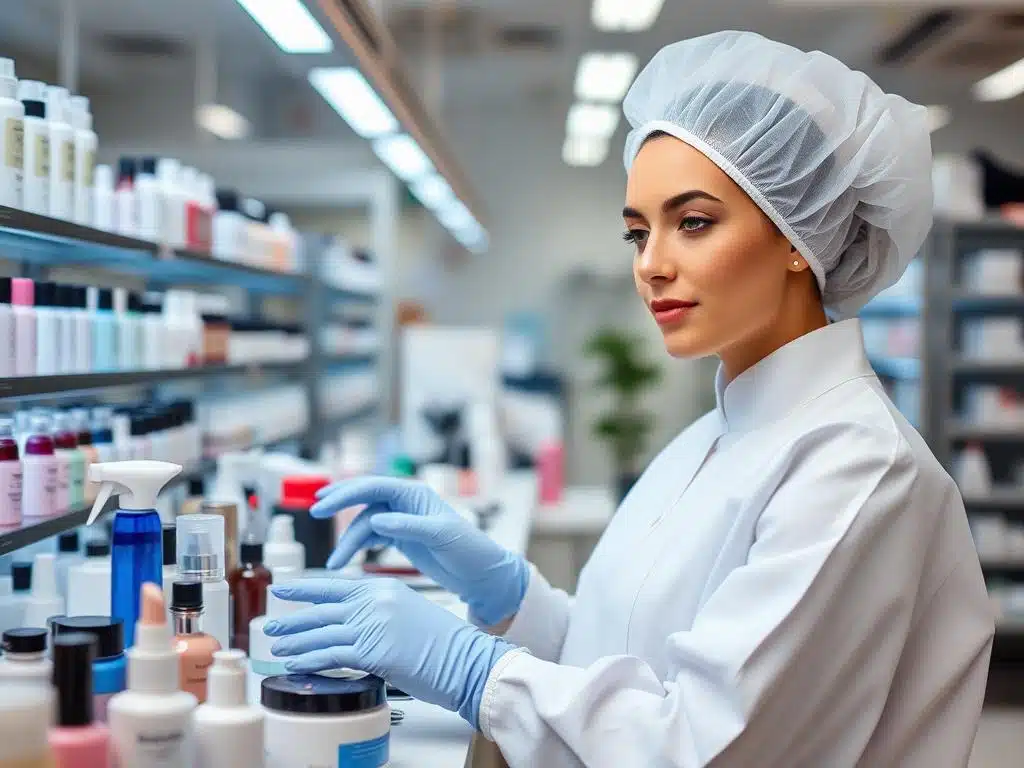
화장품 회사 may conduct these tests in-house or outsource them to specialized contract testing laboratories. 테스트는 다음을 보장합니다. that products are safe and effective. Lab testing 의 중요한 측면입니다. 화장품 제조.
이해 코스메틱 Regulations and Standards
그리고 화장품 산업 is subject to a complex web of regulations and standards that vary by country and region. These regulations are designed to 보장 의 화장품의 안전성 and to protect consumers from misleading or false claims. 화장품 제조업체 must be aware of and comply with the regulations in each market where they sell their products. Some key regulatory frameworks for 화장품 포함:
- The EU Cosmetics Regulation (EC) No. 1223/2009: This regulation governs the manufacture and sale of 화장품 products in the European Union. It establishes requirements for product safety, labeling, GMP, and notification of products to a central database.
- The U.S. Federal Food, Drug, and Cosmetic Act (FD&C Act): This act, enforced by the FDA, regulates 화장품 in the United States. It prohibits the marketing of adulterated or misbranded 화장품 and requires that 화장품 be safe for their intended use.
- Health Canada’s Food and Drugs Act and Cosmetic Regulations: These regulations govern the safety, labeling, and sale of 화장품 in Canada.
- Japan’s Pharmaceutical and Medical Device Act (PMD Act): This act regulates 화장품 in Japan, categorizing them as either “cosmetics” or “quasi-drugs” depending on their intended use and ingredients.
- ASEAN Cosmetic Directive: This directive harmonizes 화장품 regulations among the member states of the Association of Southeast Asian Nations (ASEAN).
In addition to these regulations, 화장품 제조업체 may also choose to adhere to voluntary standards, such as the ISO 22716 표준 에 대한 우수 제조 관행 in 화장품. 이 regulations and standards are important for maintaining consumer safety.
The Different Stages of Quality Control in Cosmetic Manufacturing
품질 관리 is integrated into every stage of the 화장품 제조 process, from the initial concept to the final product. Here’s an overview of the key stages of quality control:
- Product Development and Formulation: 품질 관리 begins in the product development phase. 코스메틱 scientists and formulators carefully select 화장품 성분, considering their safety, efficacy, and compatibility. They conduct extensive research and 테스트 to develop a cosmetic formulation that meets the desired performance criteria and complies with relevant regulations. Rigorous quality control measures are essential during this phase.
- 원자재 소싱 및 테스트: Before being used in production, all 원자재 must undergo rigorous 품질 관리 checks. This involves verifying the identity, purity, and quality of each 원재료 through various 테스트 방법. Suppliers are often audited to 보장 they meet the required 품질 표준. This is a very important step in 품질 관리.
- Manufacturing Process Control: During the 제조 공정, 품질 관리 personnel monitor critical parameters at each step to 보장 consistency and prevent deviations. This includes verifying the correct weighing and mixing of ingredients, controlling process parameters (e.g., temperature, mixing time), and conducting in-process tests to check the product’s physical and chemical properties. Regular checks are performed throughout the 생산 프로세스.
- 완제품 테스트: Once the 화장품 is manufactured, it undergoes comprehensive 테스트 to verify its safety, quality, and performance. This includes microbiological 테스트, 안정성 테스트화학적 및 물리적 테스트, and safety assessments. Cosmetic testing is an essential step. Testing plays a vital role in 품질 관리.
- 포장 및 라벨링 관리: 품질 관리 also extends to the packaging and labeling of 화장품 products. Packaging materials are inspected to 보장 they are of appropriate quality and will protect the product during storage and transportation. Labels are carefully reviewed to 보장 they are accurate, complete, and comply with all applicable regulations.
- Storage and Distribution: Even after the product leaves the manufacturing facility, 품질 관리 measures continue. 코스메틱 products must be stored and transported under appropriate conditions to maintain their quality and prevent degradation.
- 시판 후 감시: 화장품 회사 monitor their products even after they are on the market. This includes tracking and investigating any consumer complaints, monitoring adverse event reports, and conducting post-market 테스트 if necessary. This helps to identify potential issues.
Each of these stages plays a crucial role in ensuring that 화장품 제품 meet the 최고 품질 and safety standards. 품질 관리 is an ongoing process that requires constant vigilance and a commitment to continuous improvement. These are the stages of quality control.
의 중요성 Raw Material Selection and Testing
그리고 품질 of a 화장품 is highly dependent on the 품질 of its ingredients. Selecting and testing 원자재 is therefore a critical aspect of 품질 관리 에서 화장품 산업. 화장품 제조업체 must carefully evaluate potential suppliers and establish specifications for each 원재료 used in their products. Raw material selection is the first step in the quality control process.
Raw material specifications should include criteria for:
- Identity: Ensuring that the 원재료 is what it is claimed to be.
- Purity: Setting limits for impurities and contaminants.
- Strength/Potency: Defining the concentration of active components, if applicable.
- Physical and Chemical Properties: Specifying parameters such as appearance, color, odor, pH, viscosity, and solubility.
- Microbiological Quality: Setting limits for microbial counts and specifying the absence of pathogenic microorganisms.
Before being used in production, each batch of 원재료 should be tested to verify that it meets the established specifications. This may involve a combination of physical, chemical, and microbiological tests. Raw materials that do not meet the specifications should be rejected and not used in production. Proper 원재료 selection and 테스트 are essential for ensuring the 안전 및 품질 의 최종 제품. This is an essential part of 품질 관리.
In-Process 품질 관리: Monitoring the Production Process
In-process 품질 관리 involves monitoring and controlling the 제조 공정 at various stages to 보장 that the product is being manufactured consistently and according to established procedures. This includes checking and controlling critical parameters during each step of the process, from weighing and mixing ingredients to filling and packaging the finished product. The goal is to detect any deviations from the desired 품질 표준 early in the process so that corrective actions can be taken promptly.
In-process 품질 관리 checks may include:
- Verifying the correct weighing and mixing of ingredients: This helps to 보장 that the product is formulated correctly and that the ingredients are properly dispersed.
- Monitoring process parameters: This could include temperature, mixing time, mixing speed, pressure, and other variables that can affect 제품 품질.
- Conducting in-process tests: This may involve testing the pH, viscosity, density, or other physical or chemical properties of the product at various stages of production.
- Inspecting the appearance of the product: This includes checking for color, clarity, homogeneity, and the absence of foreign matter.
- Monitoring the filling and packaging process: This helps to 보장 that the correct amount of product is filled into each container and that the containers are properly sealed and labeled.
In-process 품질 관리 is a proactive approach to quality management. It helps to prevent defects from occurring in the first place, rather than relying solely on final product testing to catch issues. By monitoring the 생산 프로세스 closely and taking corrective actions when necessary, 화장품 제조업체 can ensure consistent quality and minimize waste. This is an important part of 품질 관리.
Finished 제품 테스트: Ensuring Safety and Quality
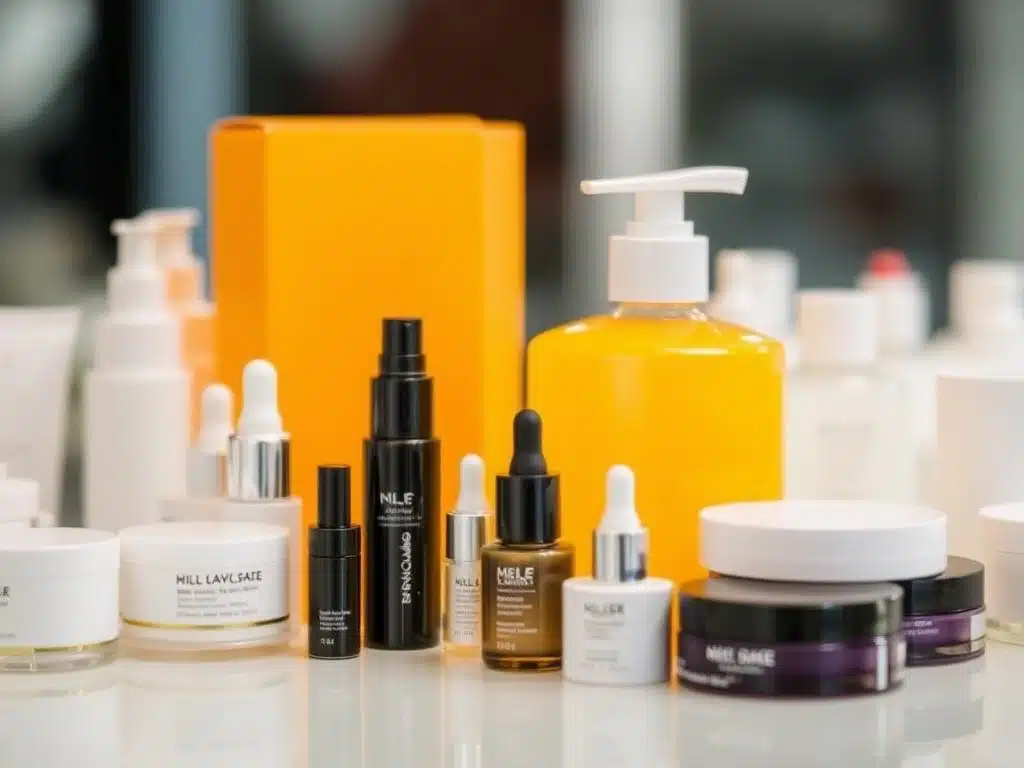
Finished product testing is the final stage of the quality control process. It involves conducting a comprehensive set of tests on the finished 화장품 to verify that it meets all relevant 품질 표준 and specifications before it is released for distribution. 최종 제품 테스트 is crucial for ensuring the safety, efficacy, and overall 품질 의 화장품. This is essential in order to 규정 준수 보장 규정을 준수합니다.
Finished product testing typically includes:
- 미생물학적 테스트: 여기에는 제품에 박테리아, 효모, 곰팡이 등의 미생물이 있는지 테스트하는 작업이 포함됩니다. 화장품 제품 must meet strict microbiological standards to 보장 they are safe for consumer use and will not spoil during their 유통 기한.
- 안정성 테스트: 안정성 테스트 assesses the product’s ability to maintain its intended physical, chemical, and microbiological quality under various storage conditions over time. This helps to determine the product’s 유통 기한 and appropriate storage conditions. These tests help 화장품 companies assess the product’s 품질.
- 화학 테스트: This can involve testing the product’s pH, viscosity, density, and the concentration of active ingredients. It may also include tests for specific chemicals or contaminants that are regulated or of concern.
- 물리적 테스트: This involves evaluating the product’s appearance, color, odor, texture, and other physical characteristics to 보장 they meet the desired 품질 표준.
- 안전 테스트: Depending on the product type and intended use, safety 테스트 may include assessments for 피부 자극, 감작, 광독성, 눈 자극. 테스트는 다음을 보장합니다. product safety.
- Performance Testing (Efficacy Testing): This involves evaluating the product’s ability to deliver its claimed benefits, such as moisturization, anti-aging effects, or sun protection. This type of 테스트 may involve instrumental measurements, consumer perception studies, or clinical trials.
The specific tests required for a given 화장품 will depend on its 공식화, intended use, and the regulatory requirements in the target market. Finished product testing provides a final verification that the 화장품 is safe, effective, and of high quality before it reaches the consumer. 화장품 테스트 is crucial to the 화장품 산업. 제품 테스트 plays a key role in 품질 관리.
The Role of Documentation and Record-Keeping in 품질 관리
Documentation and record-keeping are fundamental aspects of an effective quality control system. They provide a written record of all activities related to the manufacturing and testing of 화장품 products, ensuring transparency, traceability, and accountability throughout the entire process. Proper documentation is not only a 모범 사례 but also a requirement of GMP 그리고 ISO 22716. 화장품 품질 관리 relies on thorough documentation.
Key documents and records in 화장품 품질 관리 포함:
- Standard Operating Procedures (SOPs): These are detailed, written instructions that describe how to perform specific tasks, such as operating equipment, conducting tests, cleaning and sanitizing, and handling materials.
- Batch Records: These records document the complete history of each batch of 화장품 manufactured, including information about the 원자재 used, the manufacturing process, in-process controls, and any deviations that occurred.
- Testing Records: These records document the results of all tests performed on 원자재, in-process samples, and finished products. They should include the test method used, the results obtained, and the acceptance criteria.
- 사양: These documents define the 품질 표준 그 원자재, packaging materials, and finished products must meet. They include detailed descriptions of the required characteristics and the acceptable limits for each parameter.
- Stability Protocols and Reports: These documents outline the procedures for conducting 안정성 테스트 and record the results of these tests.
- Validation Protocols and Reports: These documents describe the procedures for validating processes, equipment, and test methods, and they record the results of these validation studies.
- Training Records: These records document the training received by each employee involved in manufacturing and 품질 관리 activities.
- Audit Reports: These reports document the findings of internal and external 감사 의 품질 관리 system and manufacturing practices.
- Complaint Records: These records document any consumer complaints received regarding product 품질 or safety, as well as the investigations conducted and corrective actions taken.
- Corrective and Preventive Action (CAPA) Records: These records document any deviations from established procedures or specifications, the investigations conducted to determine the root cause, and the corrective and preventive actions taken to address the issue and prevent recurrence.
Maintaining accurate and complete records is essential for demonstrating 규정 준수 와 함께 GMP 그리고 ISO 22716, as well as for facilitating investigations into quality issues and supporting continuous improvement efforts. Proper documentation also helps to 보장 the traceability of each 화장품 back to its 원자재, manufacturing history, and 테스트 records. This is particularly important in the event of a product recall or a safety concern.
Challenges and the Future of Quality Control in Cosmetics
그리고 화장품 산업 faces several challenges in maintaining stringent quality standards:
- Complex Supply Chains: 코스메틱 products often contain ingredients sourced from around the world, making it challenging to 보장 의 품질 및 안전 의 원자재. 화장품 제조업체 must carefully manage their suppliers and implement robust 테스트 programs to verify the 품질 of incoming materials.
- Rapid Innovation: 그리고 화장품 산업 is characterized by rapid innovation, with new products and formulations constantly being developed. This can make it challenging to keep up with the latest 테스트 방법 그리고 품질 표준.
- Evolving Regulations: 코스메틱 regulations and standards are continuously evolving as new scientific information emerges and consumer expectations change. 화장품 회사 must stay informed about these changes and adapt their 품질 관리 practices accordingly.
- 위조 제품: The proliferation of counterfeit 화장품 products poses a significant challenge to the industry. These products may not be subject to the same rigorous quality control measures as legitimate products and can pose a risk to consumer safety. Quality control tests for cosmetics can help to identify counterfeit products.
- 지속 가능성 문제: There is a growing demand for sustainable and eco-friendly 화장품 products, which can create challenges for 품질 관리. Manufacturers need to 보장 that sustainable alternatives to traditional ingredients and packaging materials meet the same high-quality standards.
- Cost Pressures: Maintaining a robust quality control system can be costly, requiring investments in equipment, personnel, training, and testing. 화장품 제조업체 must balance the need for stringent quality control with the need to remain competitive in the marketplace.
Despite these challenges, the future of quality control in cosmetics is promising. Advances in technology, such as automation, data analytics, and artificial intelligence, are providing new tools for enhancing 품질 관리 and improving efficiency. There is also a growing emphasis on collaboration and information sharing within the industry, which can help to raise the bar for 화장품 품질 and safety globally. The 화장품 산업 is constantly working to improve its 품질 관리 관행.
Meeting Consumer Expectations for Quality and Safety
Consumers are increasingly aware of the 품질의 중요성 and safety in 화장품 제품. They expect 화장품 회사 to be transparent about their ingredients, manufacturing practices, and 품질 관리 procedures. Social media and online reviews have given consumers a powerful voice, and they are not afraid to use it to express their opinions and concerns about 화장품 products. Many consumers are also seeking out brands that align with their values, such as those that are cruelty-free, vegan, or environmentally sustainable.
To meet these evolving consumer expectations, 화장품 회사 must:
- Prioritize Quality and Safety: 품질 관리 should be at the heart of every 화장품 company’s operations. Companies need to invest in robust 품질 관리 systems, implement rigorous 테스트 protocols, and adhere to GMP and relevant standards like ISO 22716.
- 투명성을 확보하세요: 화장품 회사 should be transparent about their ingredients, sourcing practices, manufacturing processes, and 품질 관리 procedures. This includes providing clear and accurate product labeling, as well as making information readily available to consumers through their websites and other communication channels.
- Engage with Consumers: Companies should actively engage with consumers, listen to their feedback, and address their concerns. This can help to build trust and loyalty. Social media can be a powerful tool for engaging with consumers and responding to their questions and concerns.
- Embrace Sustainability: Consumers are increasingly concerned about the environmental impact of their purchasing decisions. 화장품 회사 should strive to minimize their environmental footprint by using sustainable ingredients, reducing waste, and adopting eco-friendly packaging.
- Support Cruelty-Free Practices: Animal 테스트 에 대한 화장품 is a controversial issue, and many consumers are opposed to it. 화장품 회사 should support the development and use of alternative, non-animal 테스트 방법 and seek out cruelty-free certifications.
- Continuously Improve: 품질 관리 is an ongoing process that requires continuous improvement. 화장품 회사 should regularly review and update their 품질 관리 procedures, invest in new technologies, and stay informed about the latest scientific research and regulatory developments.
By prioritizing 품질 그리고 안전, embracing transparency, and engaging with consumers, 화장품 회사 can build trust, enhance their brand reputation, and meet the evolving demands of today’s informed and discerning consumers. This is essential in today’s 화장품 시장.
The Role of Third-Party Testing and Certification
많은 화장품 회사 choose to work with independent, third-party laboratories for cosmetic product testing and certification. These labs specialize in conducting the various tests required to 보장 의 안전 및 품질 의 화장품 products, such as microbiological 테스트, 안정성 테스트, chemical analysis, and safety assessments. Using a third-party lab can offer several advantages, including:
- Expertise and Specialized Equipment: Third-party labs often have specialized expertise and equipment that may not be available in-house. This can be particularly important for smaller companies that may not have the resources to invest in their own testing facilities.
- Impartiality and Credibility: Independent testing labs can provide an unbiased assessment of a product’s 품질 그리고 안전, which can enhance the credibility of the results. 테스트 results from a reputable third-party lab can carry more weight with regulators and consumers than in-house testing data.
- Compliance with Standards: Many third-party labs are accredited to international standards, such as ISO/IEC 17025, which provides a framework for ensuring the competence of testing and calibration laboratories. Using an accredited lab can help 화장품 회사 demonstrate 규정 준수 with relevant regulations and standards.
- Cost-Effectiveness: For some companies, outsourcing testing to a third-party lab can be more cost-effective than investing in and maintaining their own testing equipment and personnel.
In addition to testing, some third-party organizations offer certification programs for 화장품 제품과 같은 ISO 22716 certification 에 대한 GMP compliance. Obtaining certification from a reputable organization can provide assurance to consumers and retailers that a 화장품 company has implemented a robust 품질 관리 system and adheres to stringent quality standards.

The Importance of Collaboration and Information Sharing
Collaboration and information sharing within the 화장품 산업 are essential for advancing 품질 관리 practices and ensuring the 화장품의 안전성. Industry associations, such as the Personal Care Products Council (PCPC) in the United States and Cosmetics Europe in the European Union, play a vital role in bringing together 화장품 제조업체, suppliers, researchers, and regulators to share knowledge, develop 모범 사례, and address common challenges.
These organizations often develop guidelines, technical documents, and training programs to help 화장품 회사 implement effective 품질 관리 systems and comply with relevant regulations and standards. They also provide a forum for discussing emerging issues, such as new scientific findings, regulatory changes, and consumer concerns. The 화장품 산업 benefits greatly from such cooperation between different industry players.
In addition to industry associations, collaboration between 화장품 회사, academic researchers, and regulatory bodies is crucial for advancing the science of 화장품 품질 관리. Sharing research findings, developing new 테스트 방법, and working together to address safety concerns can help to improve the overall 품질 그리고 안전 의 화장품 products globally. This type of cooperation is important to ensure their products meet the necessary 품질 and safety standards.
A Look at Specific Tests
그리고 화장품 산업 utilizes a wide array of tests to ensure product 품질, safety and 규정 준수. Here is a look at some specific tests.
테스트 유형 목적 방법 미생물학적 테스트 To detect and quantify microorganisms (bacteria, yeast, mold) in the product and ensure it is free from harmful pathogens. Plate counts, membrane filtration, enrichment cultures, microbial identification techniques 안정성 테스트 To assess the product’s ability to maintain its physical, chemical, and microbiological quality under various storage conditions over time. Real-time stability testing (storing product at recommended conditions), accelerated stability testing (storing product at elevated temperatures and/or humidity), freeze-thaw testing Preservative Efficacy Testing To evaluate the effectiveness of the preservative system in preventing microbial growth during the product’s shelf life and use. Inoculating the product with a known concentration of microorganisms and monitoring their growth over time (challenge test) Chemical Testing To verify the identity, purity, and concentration of ingredients, determine pH, viscosity, and other chemical properties. Chromatography (HPLC, GC), spectroscopy (UV-Vis, IR, NMR), titration, pH measurement, viscometry Physical Testing To evaluate the product’s appearance, color, odor, texture, density, and other physical characteristics. Visual inspection, colorimetry, texture analysis, density measurement, sensory evaluation Safety Testing To assess the product’s potential to cause skin irritation, sensitization, phototoxicity, and eye irritation. In vitro tests (using cell cultures or reconstructed human tissues), in vivo tests (on human volunteers under controlled conditions), patch testing, repeated insult patch test (RIPT) Performance Testing To evaluate the product’s efficacy in delivering its claimed benefits (e.g., moisturization, anti-aging, sun protection). Instrumental measurements (e.g., skin hydration, elasticity), consumer perception studies, clinical trials Heavy Metal Testing To ensure the product does not contain harmful levels of heavy metals (e.g., lead, mercury, arsenic, cadmium). Atomic absorption spectroscopy (AAS), inductively coupled plasma mass spectrometry (ICP-MS) Allergen Testing To identify and quantify the presence of known allergens in the product. Enzyme-linked immunosorbent assay (ELISA), gas chromatography-mass spectrometry (GC-MS) This table provides a glimpse into the diverse array of tests conducted in 화장품 품질 관리. The specific tests required for a given product will depend on its 공식화, intended use, and the regulatory requirements of the target market.
미래 Quality Control in Cosmetics
분야 quality control in cosmetics is continuously evolving, driven by advancements in science and technology, new regulations, and changing consumer expectations. Some key trends that are likely to shape the future of 화장품 품질 관리 포함:
- Automation and Digitalization: Automation and digitalization are playing an increasingly important role in 화장품 제조 그리고 품질 관리. Automated systems can help to improve efficiency, reduce human error, and enhance the consistency of 제품 품질. Digital technologies, such as laboratory information management systems (LIMS) and electronic batch records, can streamline data management and improve traceability. These systems also help to 규정 준수 보장 규정을 준수합니다.
- 실시간 모니터링 및 제어: 센서 기술 및 데이터 분석의 발전으로 다음과 같은 중요한 프로세스 매개변수를 실시간으로 모니터링하고 제어할 수 있게 되었습니다. 화장품 제조. This allows for immediate adjustments to be made to maintain 제품 품질 and prevent deviations. Real-time monitoring can also help to optimize processes and reduce waste.
- Rapid Testing Methods: There is a growing need for rapid 테스트 방법 that can provide faster results without compromising accuracy. This is particularly important for microbiological 테스트, where traditional methods can take several days to complete. Rapid methods, such as ATP bioluminescence and rapid PCR, can significantly reduce testing time. Cosmetic testing 는 끊임없이 진화하고 있습니다.
- 맞춤형 화장품: 개인화 트렌드 화장품 에 새로운 도전 과제를 제시하고 있습니다. 품질 관리. 제조업체는 다음을 유지하면서 소량 배치 크기와 맞춤형 제형을 수용할 수 있는 유연한 제조 공정을 개발해야 합니다. 제품 품질 그리고 안전.
- 지속 가능성: 지속 가능성은 점점 더 중요한 고려 사항이 되고 있습니다. 화장품 산업. 여기에는 지속 가능한 원자재제조 과정에서 에너지와 물 소비를 줄이고, 폐기물 발생을 최소화하며, 친환경 포장재를 사용합니다. 품질 관리 will need to adapt to these changing priorities.
- 투명성 향상: 소비자는 다음과 같은 기업에게 더 높은 투명성을 요구하고 있습니다. 화장품 회사 regarding their ingredients, manufacturing practices, and 품질 관리 procedures. Companies will need to provide more information to consumers and be prepared to answer their questions about 제품 품질 그리고 안전.
- 표준의 글로벌 조화: 다음 사항을 조화시키기 위한 노력이 진행 중입니다. 화장품 규정 및 표준을 전 세계적으로 준수합니다. 이렇게 하면 다음과 같은 작업이 간소화됩니다. 규정 준수 여러 시장에서 활동하는 기업을 위한 보장 일관성 제품 품질 그리고 안전 전 세계.
그리고 화장품 산업 는 이러한 트렌드를 수용하여 제품 품질효율성을 개선하고 규제 기관과 소비자의 진화하는 기대치를 충족할 수 있습니다. 미래 quality control in cosmetics 는 첨단 기술, 데이터 기반 의사 결정, 그리고 다음 사항에 대한 지속적인 집중을 포함할 가능성이 높습니다. 제품 안전 and sustainability. The quality control tests for cosmetics will need to evolve along with the industry.
기억해야 할 주요 사항:
- 품질 관리 is a systematic process used to 보장 그 화장품 제품 meet defined 품질 표준 and are safe for consumer use.
- 우수 제조 관리 기준(GMP) provide a framework for 품질 관리 in 화장품 제조, covering all aspects of production, from 원재료 sourcing to finished product distribution.
- 그리고 ISO 22716 표준 는 국제적인 표준 that provides GMP guidelines specifically for the 화장품 산업.
- 화장품 테스트 is a critical component of 품질 관리, involving a wide range of tests to assess 제품 안전, 품질, efficacy및 규정 준수 규정을 준수합니다.
- ISO 22716 인증 획득 demonstrates a 화장품 company’s commitment to 품질 그리고 GMP, but it requires significant investment and ongoing effort.
- 구현 GMP 그리고 ISO 22716 는 다음과 같은 이점을 제공할 수 있습니다. 제품 품질 그리고 안전소비자 신뢰도 향상, 운영 효율성 개선, 규제 개선 규정 준수경쟁 우위를 확보할 수 있습니다.
- 유지 관리 화장품 품질 기준 can be challenging due to complex supply chains, rapid innovation, evolving regulations, counterfeit products, sustainability concerns, and cost pressures.
- Consumers are increasingly demanding 고품질, safe, and ethically produced 화장품, and they expect transparency from 화장품 회사 regarding their ingredients and practices.
- Third-party testing and certification can provide expertise, impartiality, and credibility in assessing 화장품 품질 그리고 안전.
- Collaboration and information sharing within the 화장품 산업 are essential for advancing 품질 관리 practices and ensuring the 화장품의 안전성. . crucial role of quality. control cannot be overstated.




How to Use Veet Hair Removal Cream: Get Smooth Skin Fast
Are you tired of cuts from razors? Do you hate the pain of waxing? Hair on your legs and arms can be a big problem.
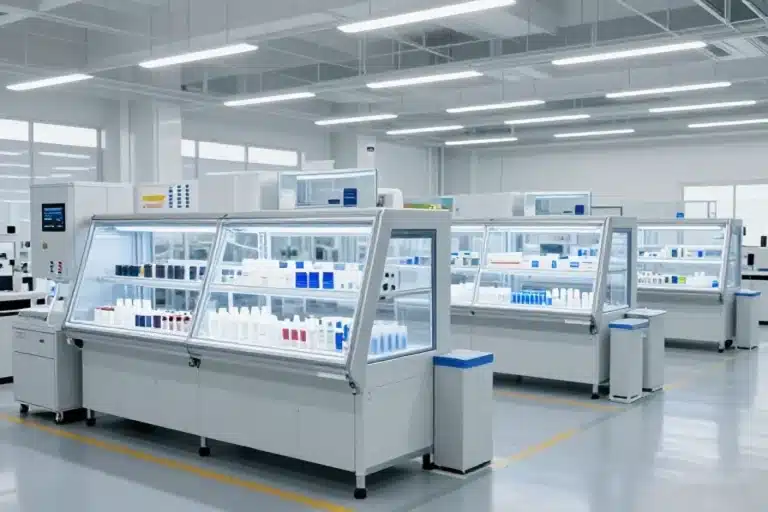
중국에서 신뢰할 수 있는 화장품 OEM 제조사를 선택하는 방법
중국에서 좋은 메이크업 제조사를 고르는 방법: 당신을 위한 가이드.
당신은 아이디어를 가지고 있습니다.
새로운 페이스 크림. 새로운 헤어 스프레이. 새로운 네일 컬러.
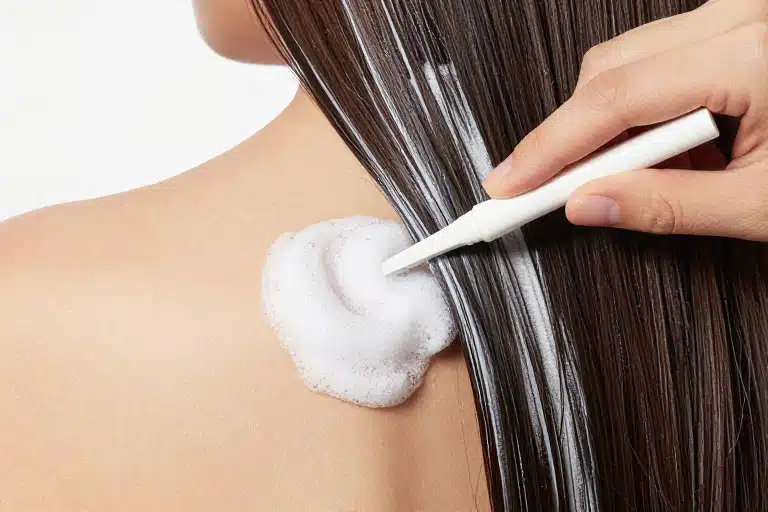
피부에서 염색약을 제거하는 방법: 당신이 필요한 유일한 가이드
이 모습을 상상해 보세요.
당신은 방금 머리를 염색했습니다. 새로운 색상을 사용했습니다. 매우 멋집니다. 당신의 머리는 빛납니다. 당신은 행복합니다. 새로운 사람처럼 느낍니다.

 EN
EN  DE
DE  RU
RU  ES
ES  KO
KO  FR
FR  JA
JA